Most ankle sprains heal well, but the ankle you sprained once is the ankle you sprain again. Balance training is the best insurance.
Quick answer: After an ankle sprain, walk on it as soon as pain allows, start gentle ankle movement within a few days, then add strength and balance exercises. Keep the balance training going for at least 8 weeks: it cuts the risk of another sprain by about a third. See a doctor if you couldn’t take 4 steps straight after the injury, or the bone is tender.
How to use this
Who it’s for: adults with a common (lateral, ‘rolled outwards’) ankle sprain where a fracture has been ruled out or is unlikely.
First few days: relative rest, ice for 10–20 minutes a few times a day, a compression bandage or brace, and elevation. Walk as pain allows.
Pain rules: mild pain (up to about 3–4 out of 10) during exercise is OK if it settles within 24 hours.
How often: daily in the first few weeks, then 3 times a week; balance work for at least 8 weeks.
Based on: the Ottawa ankle rules, ankle sprain guidelines and the BMJ home balance trial (Hupperets et al, 2009).
Your exercises
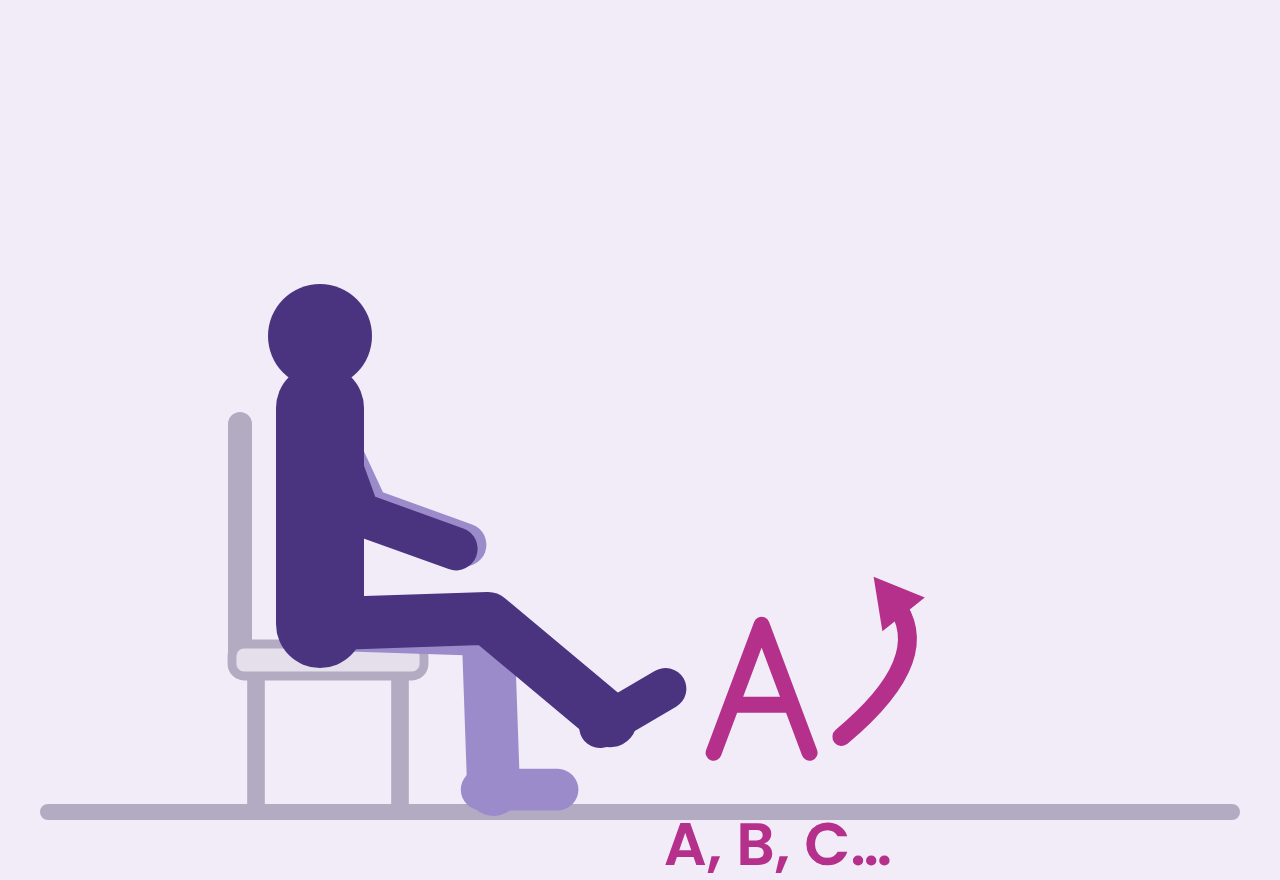
Ankle alphabetSitting, draw the alphabet in the air with your big toe. Start in the first few days to get the ankle moving.Once through the alphabet, 2–3 times a day
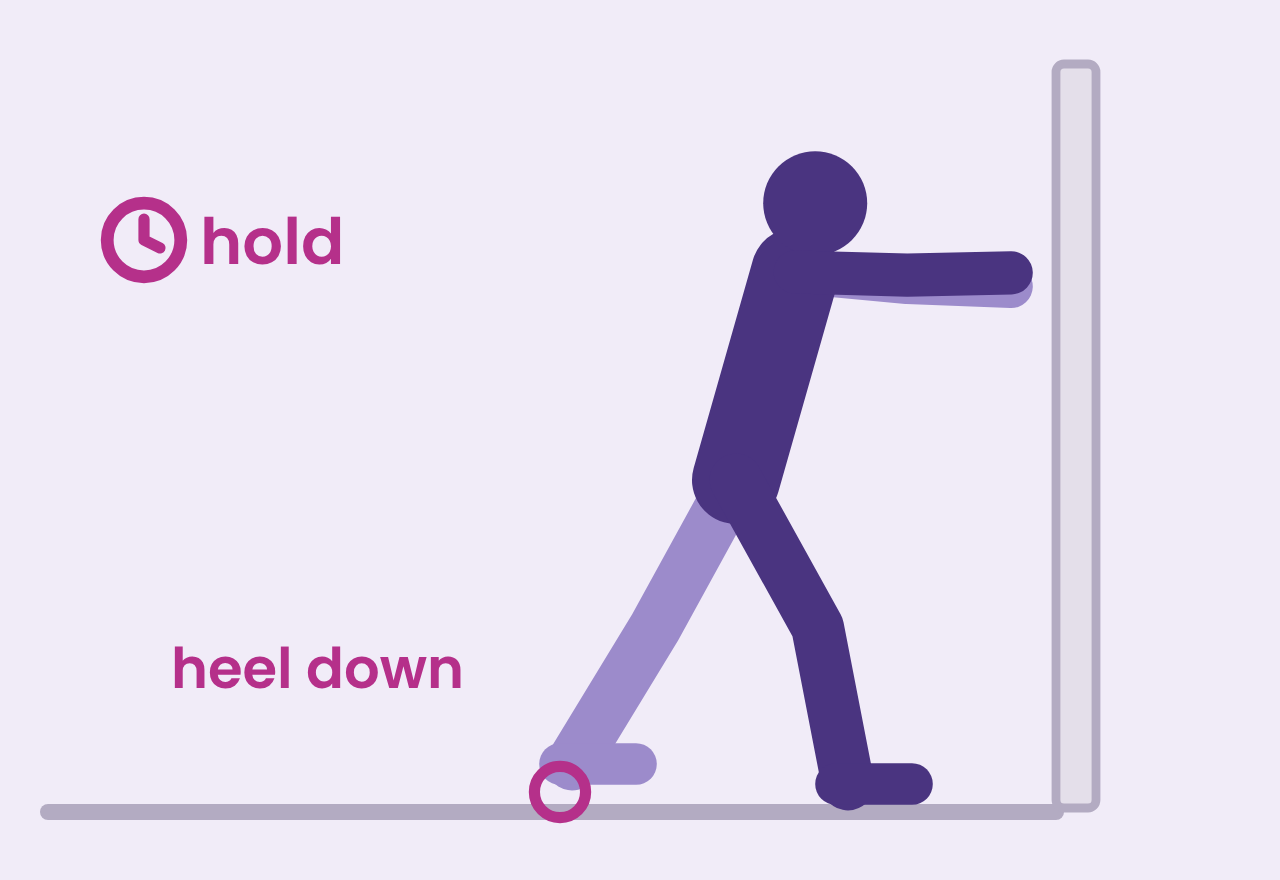
Calf stretchHands on a wall, sore leg back with the knee straight and heel down. Lean in until you feel a stretch.3 × 30 seconds, twice a day
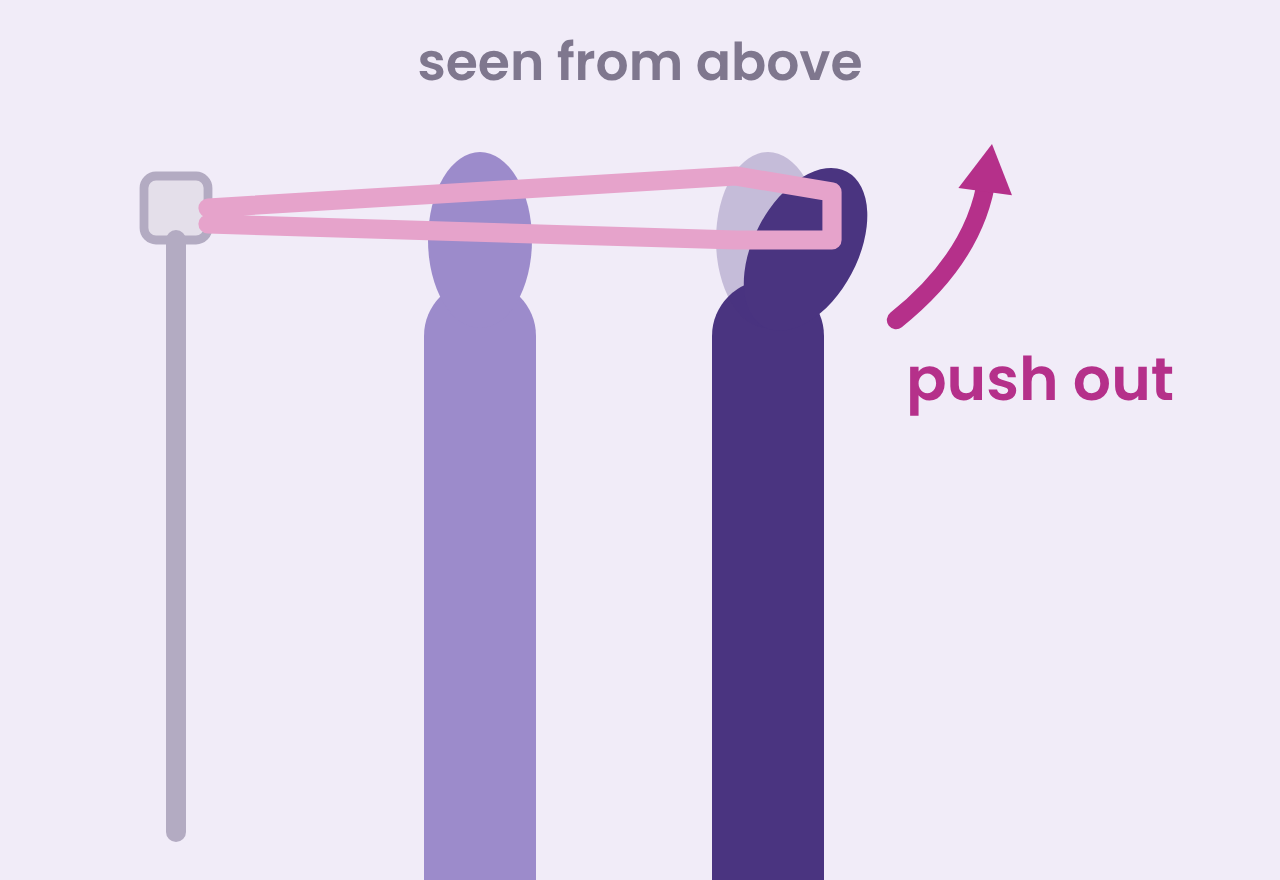
Band: foot outwardsLoop a band around your forefoot and turn the foot outwards against it, then back slowly. These muscles guard against rolling.3 × 15, daily then 3 times a week
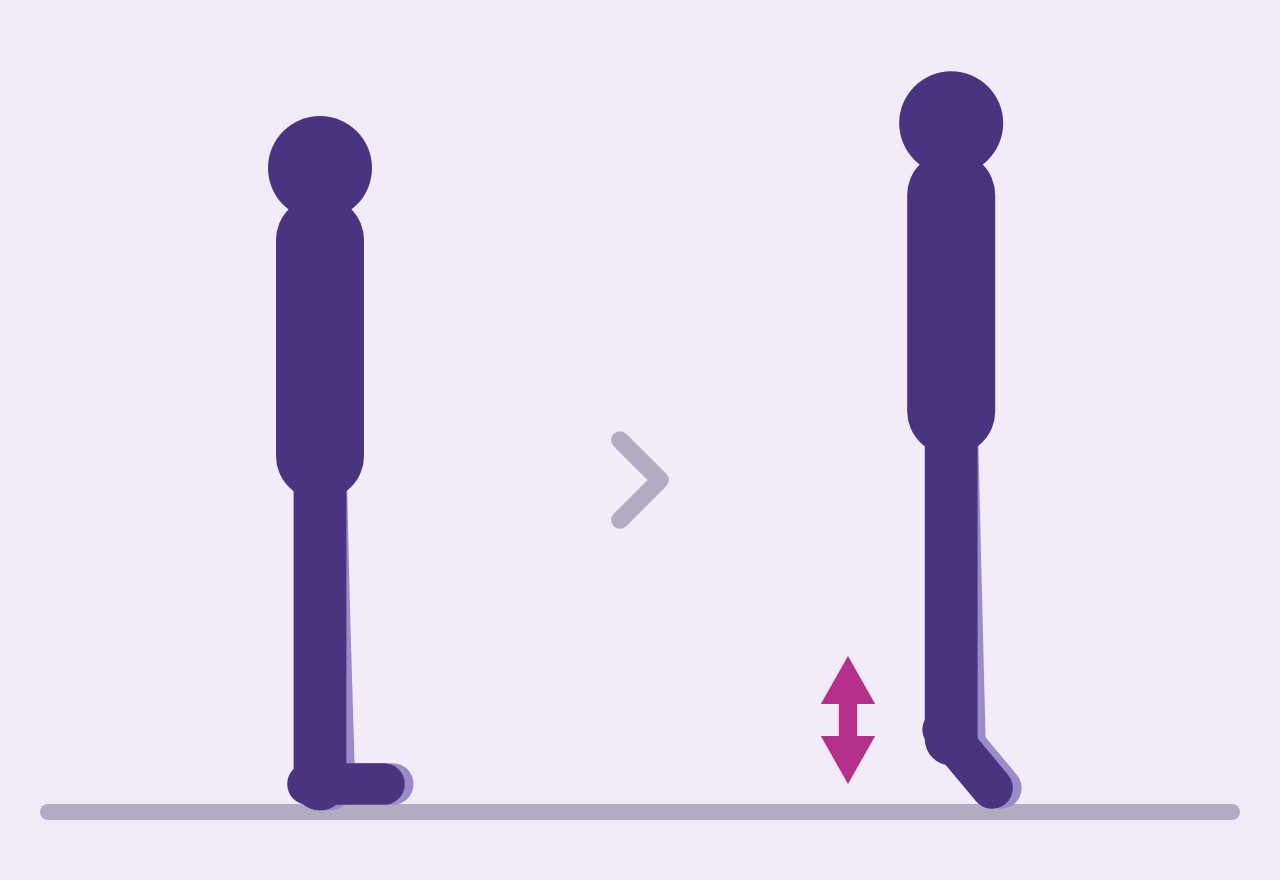
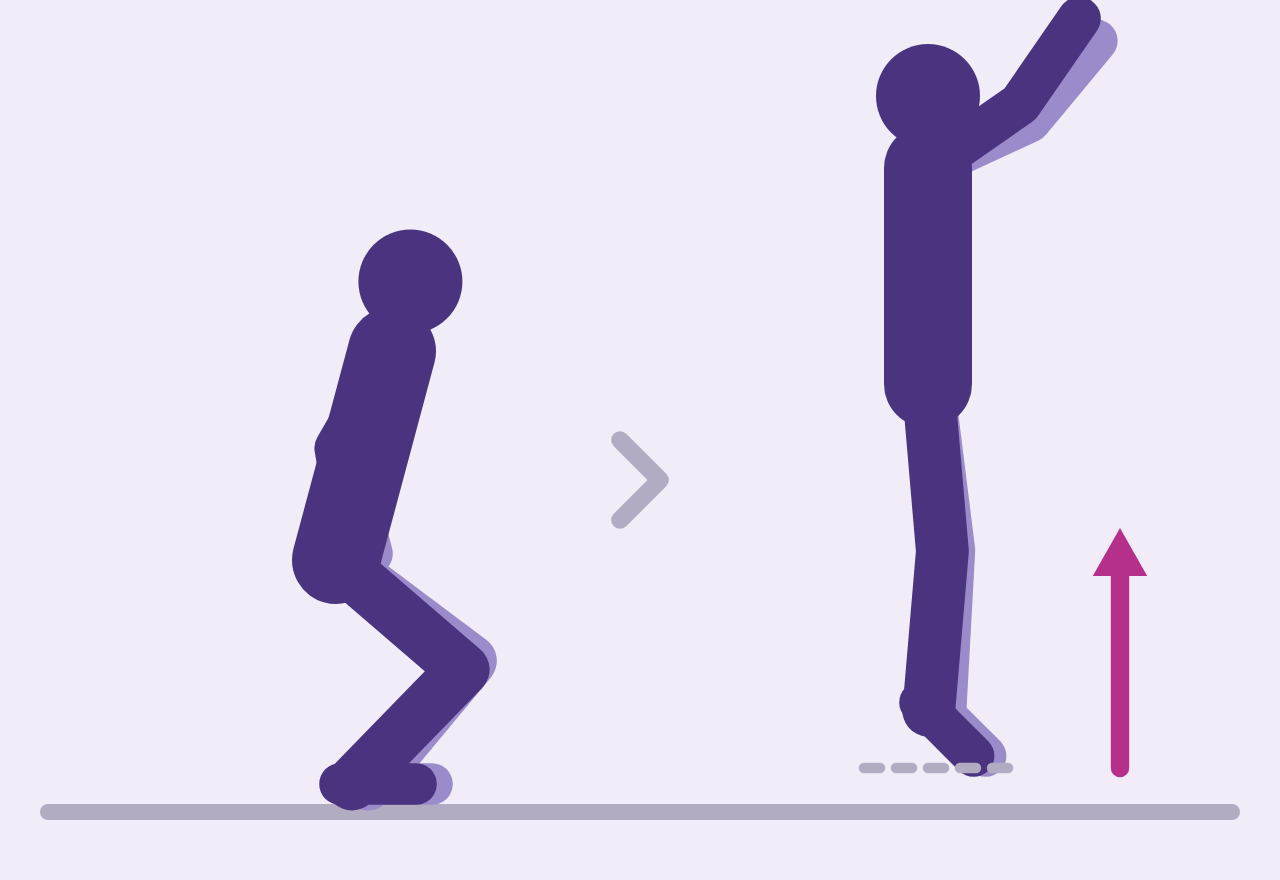
Heel raisesHolding a bench, rise up on both toes and lower slowly. Progress to the sore leg only.3 × 15, 3 times a week
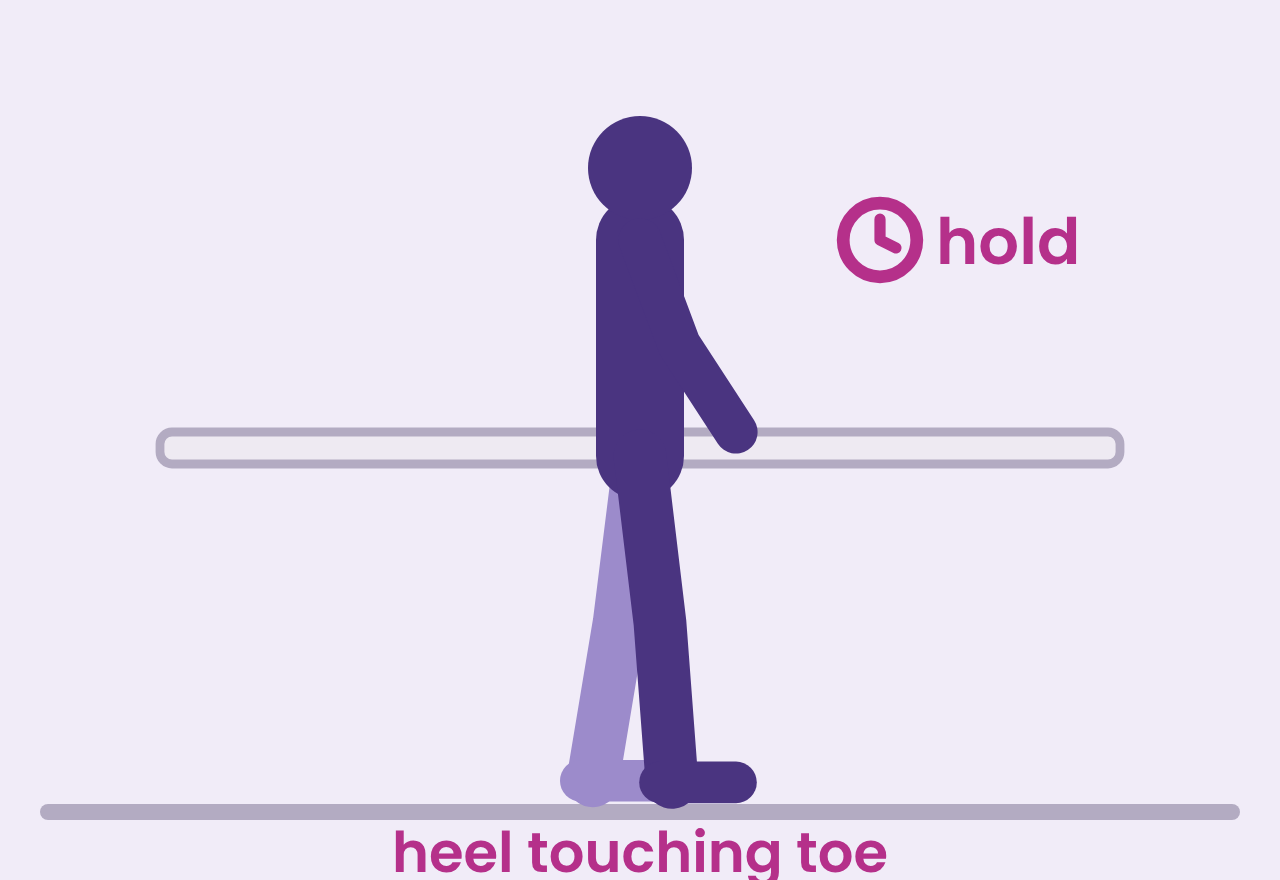
Heel-to-toe stanceStand with one foot directly in front of the other, near a bench. A first step towards single-leg balance.3 × 30 seconds, daily
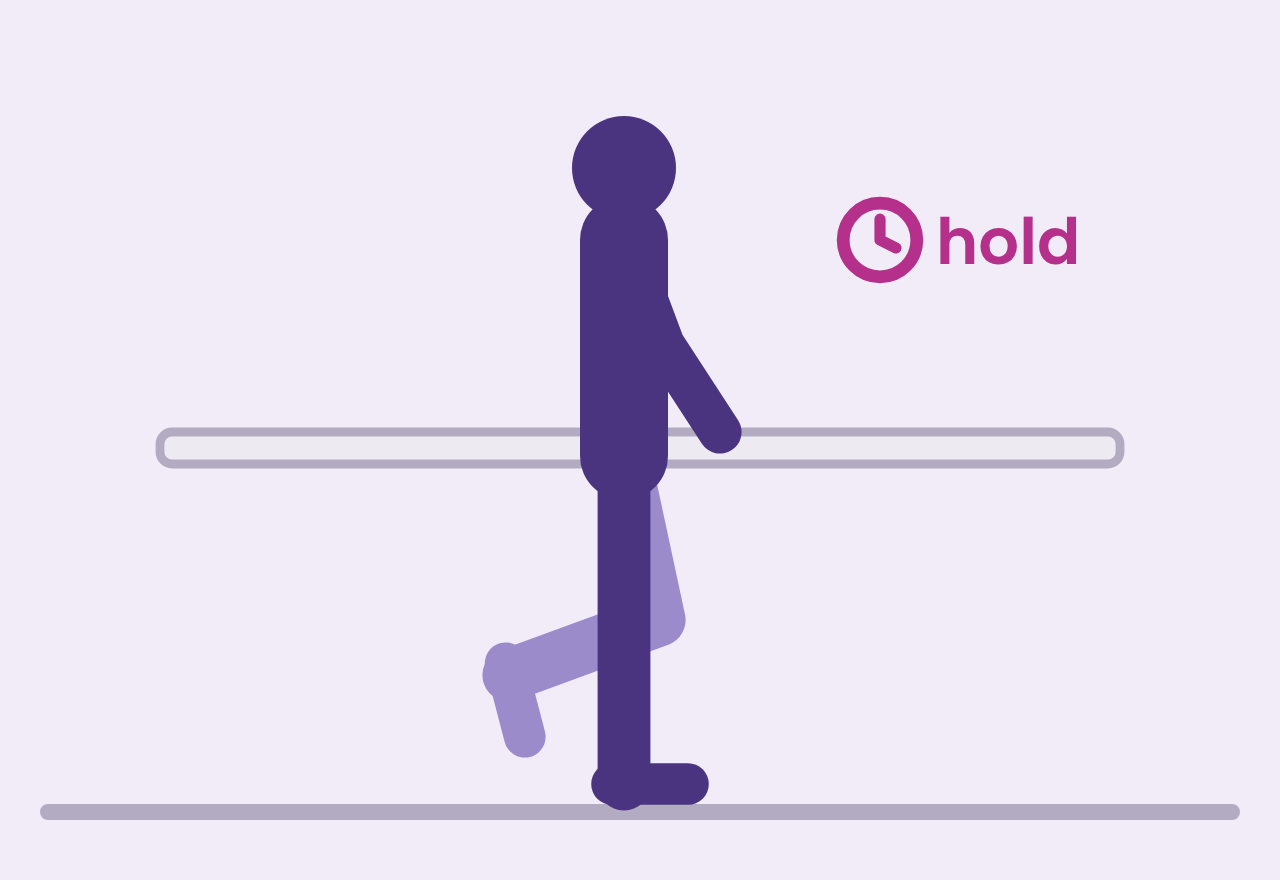
Single-leg balanceStand on the sore leg for 30 seconds. Progress to eyes closed, a pillow, or throwing a ball.3 × 30 seconds, daily for at least 8 weeks
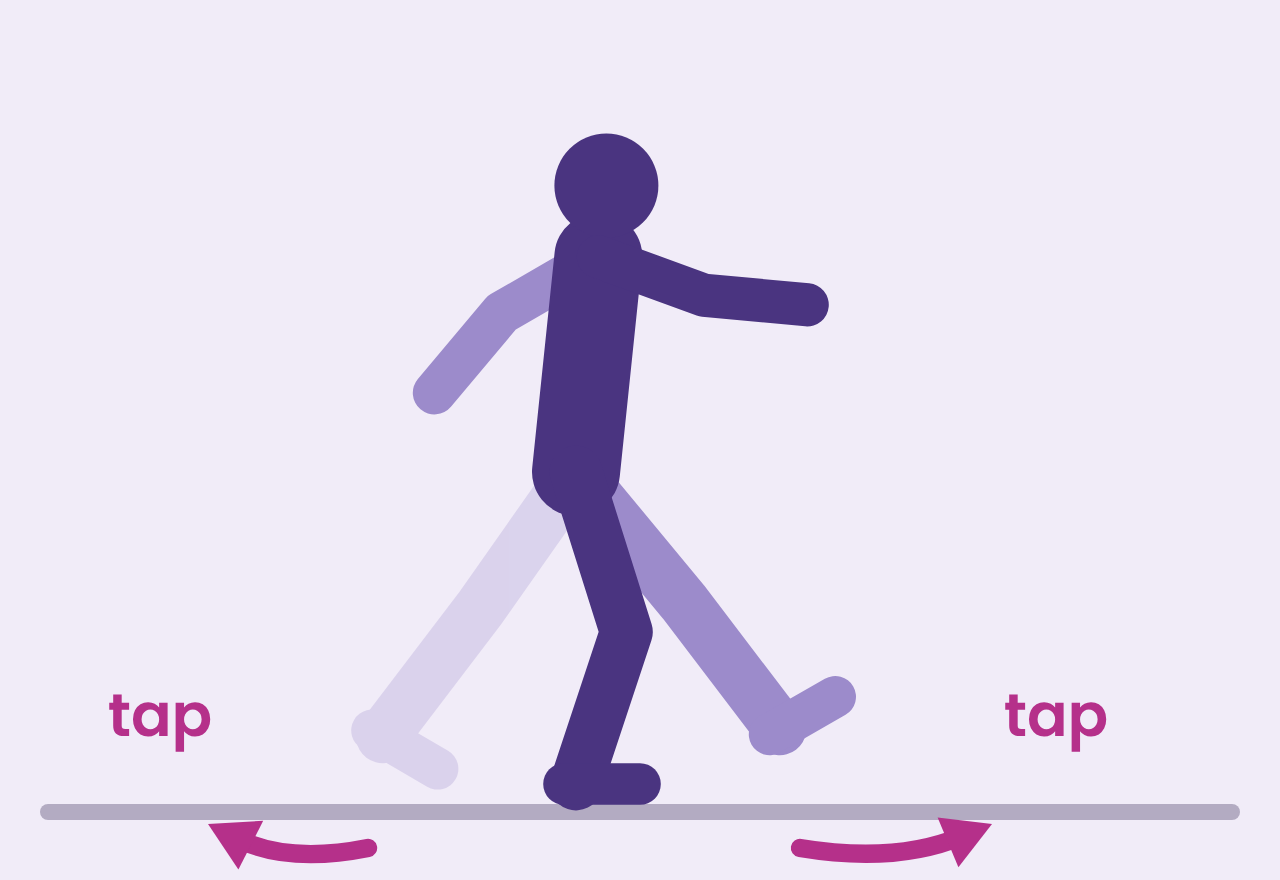
Balance and reachStand on the sore leg and reach the other foot forwards, sideways and back.3 × 8 reaches, 3 times a week
HopsWhen you can balance and do 20 single-leg heel raises without pain, start small two-foot hops, then single-leg hops, then side to side. Needed before sport.3 × 20 hops, 3 times a week
Extras that can help: A lace-up brace or tape for sport in the first 6–12 months lowers the risk of re-injury. Short-term anti-inflammatories or paracetamol can help. Plaster or a boot is usually not needed for a simple sprain and can slow recovery.
Stop and see your GP or physio if
You couldn’t take 4 steps straight after the injury, or can’t now
Tenderness over the bony bumps of the ankle, the base of the little-toe bone or the top of the foot (you may need an X-ray)
Numbness, a cold or pale foot, or severe swelling
The ankle keeps giving way after 6 weeks of exercise
Pain still limiting you after 6–8 weeks
Want a supervised program?
A physio can tailor the exercises and progress them safely. An exercise physiologist can help with gym loading. If you have a chronic condition, ask your GP about a GP Chronic Condition Management Plan (GPCCMP): it gives a Medicare rebate for up to 5 allied health visits a year (physio, exercise physiologist or podiatrist).
Common questions
Do I need an X-ray?
Only if you couldn’t bear weight for 4 steps after the injury or bones are tender in specific spots (the Ottawa ankle rules). Most sprains don’t need one.
How long does a sprained ankle take to heal?
Mild sprains often settle in 1–3 weeks; moderate to severe ones take 6–12 weeks. Ligaments keep strengthening for months.
Should I rest it completely?
No. Walking as pain allows and early exercise lead to faster recovery than immobilisation.
Why do ankles keep re-spraining?
Ligament damage dulls the ankle’s position sense. Balance training retrains it, which is why it prevents repeat sprains.
Updated 24 November 2026. General education, not personal medical advice. Everyone is different, so check with your GP or physio before starting a new exercise program.