Achilles tendons are tough, slow to change and hate sudden spikes in load. Steady, progressively heavier calf work is the fix. Rest on its own isn’t.
Quick answer: The best exercises for Achilles tendinopathy are steady, gradually heavier heel raises, starting on the floor and moving to a step and then one leg. Heavy slow heel raises work as well as eccentric drops. Expect about 12 weeks for clear change. See a doctor the same day if you felt a sudden snap or can’t stand on tiptoe.
How to use this
Pain rules: pain up to 5/10 is allowed during exercise and activity, and up to 5/10 afterwards. Pain the next morning should be 5/10 or less. Pain and morning stiffness shouldn’t creep up from week to week; if they do, ease off.
Keep moving: you can keep walking, running or playing sport if it stays within the pain rules. In a trial, people who kept active this way did just as well as those who rested.
How often: every day for the first 12 weeks (heavier weighted work 2–3 times a week from about week 3). After that, 2–3 times a week.
How long: about 12 weeks for the main stages, then keep the maintenance exercises going for 3–6 months or longer.
Progress when: the current stage is comfortable within the pain rules. The stages overlap: stage 1 is weeks 1–2, stage 2 weeks 2–5, stage 3 weeks 3–12.
Based on: Silbernagel’s staged tendon-loading program and pain-monitoring model (JOSPT 2015; AJSM 2007) and the 2024 US physiotherapy Achilles guideline.
Your exercises
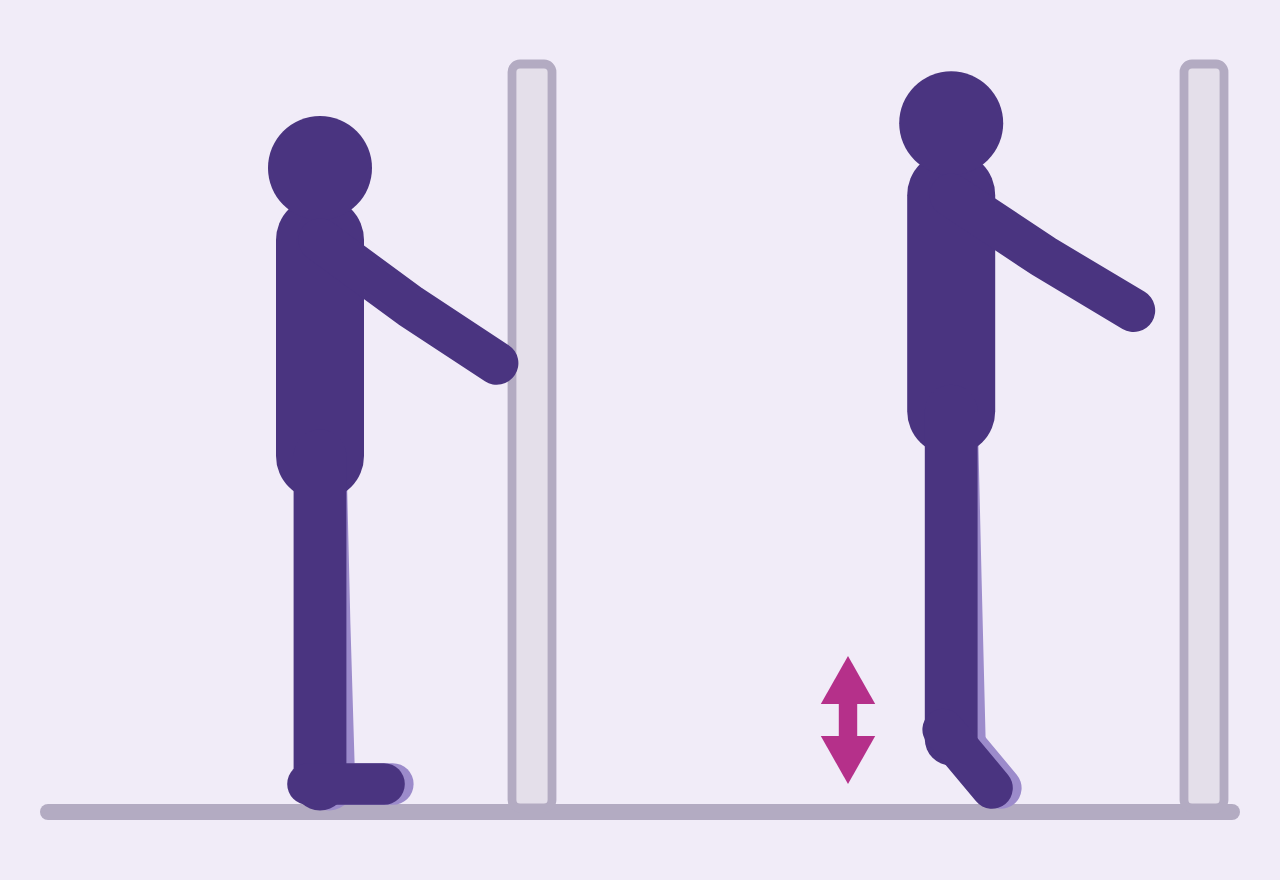
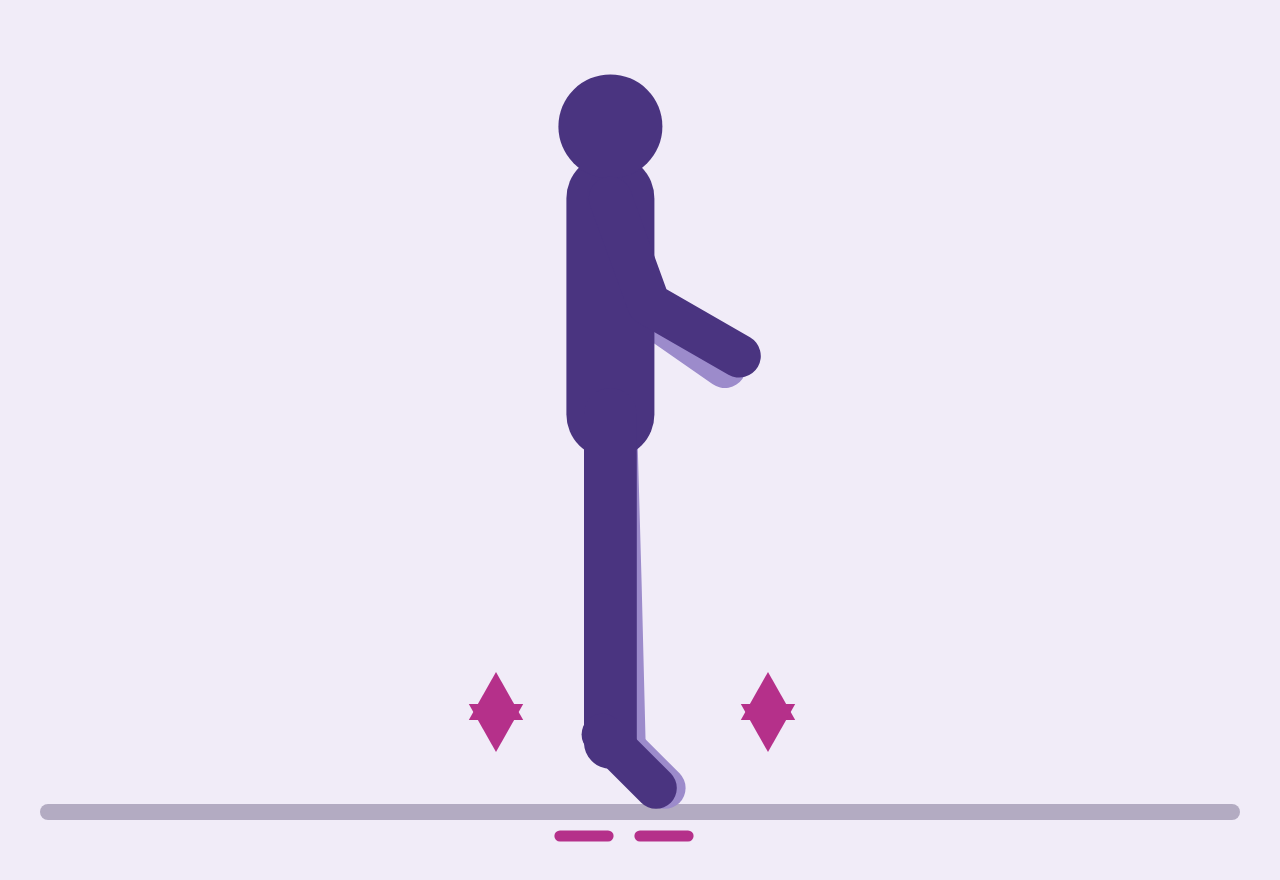
Two-leg heel raisesStand on both feet, holding a wall for balance. Rise up onto your toes, then lower. Stage 1 on the floor; stage 2 on the edge of a step, letting your heels drop below the step.Stage 1: 3 × 10–15 on the floor. Stage 2: 3 × 15 on a step. Daily
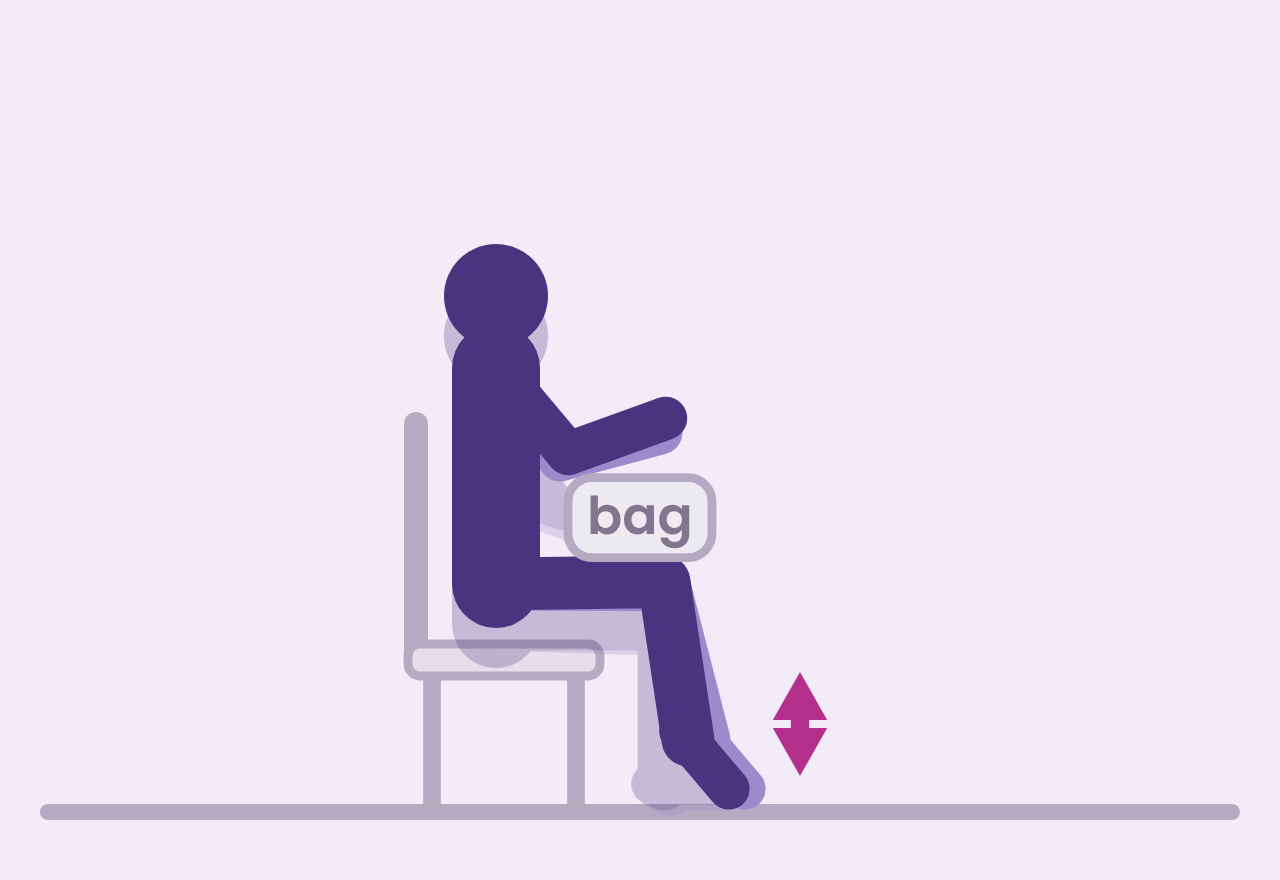
Seated heel raisesSit with your feet flat and some weight on your knees (a bag of books or a heavy backpack). Lift your heels as high as you can, then lower slowly.Stage 1: 3 × 10. Stages 2–3: 3 × 15. Daily
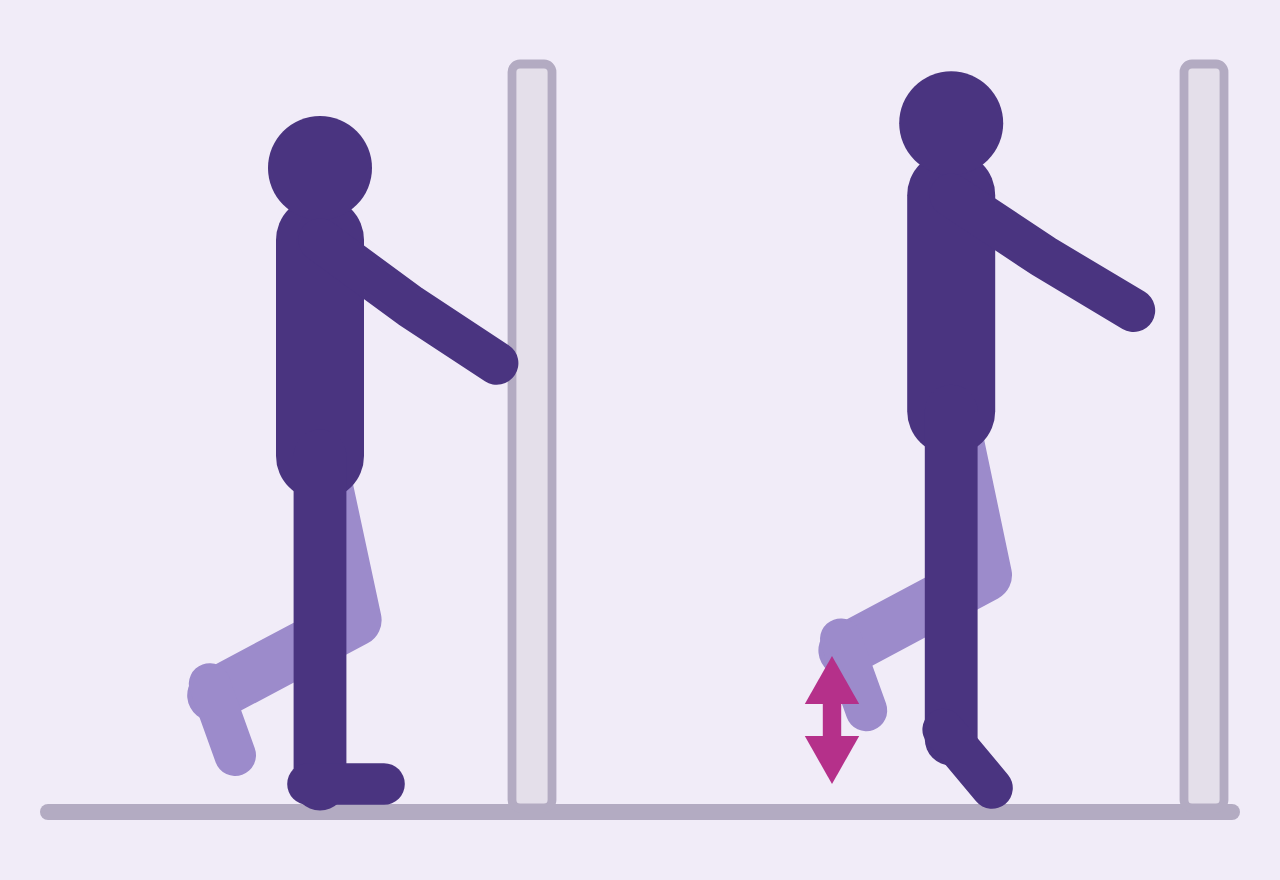
One-leg heel raisesStand on the sore leg, holding on for balance. Rise up onto your toes and lower. Move from the floor, to a step, to a step wearing a weighted backpack.Stage 1: 3 × 10 on the floor. Stage 2: 3 × 15 on a step. Stage 3: 3 × 15 with added weight
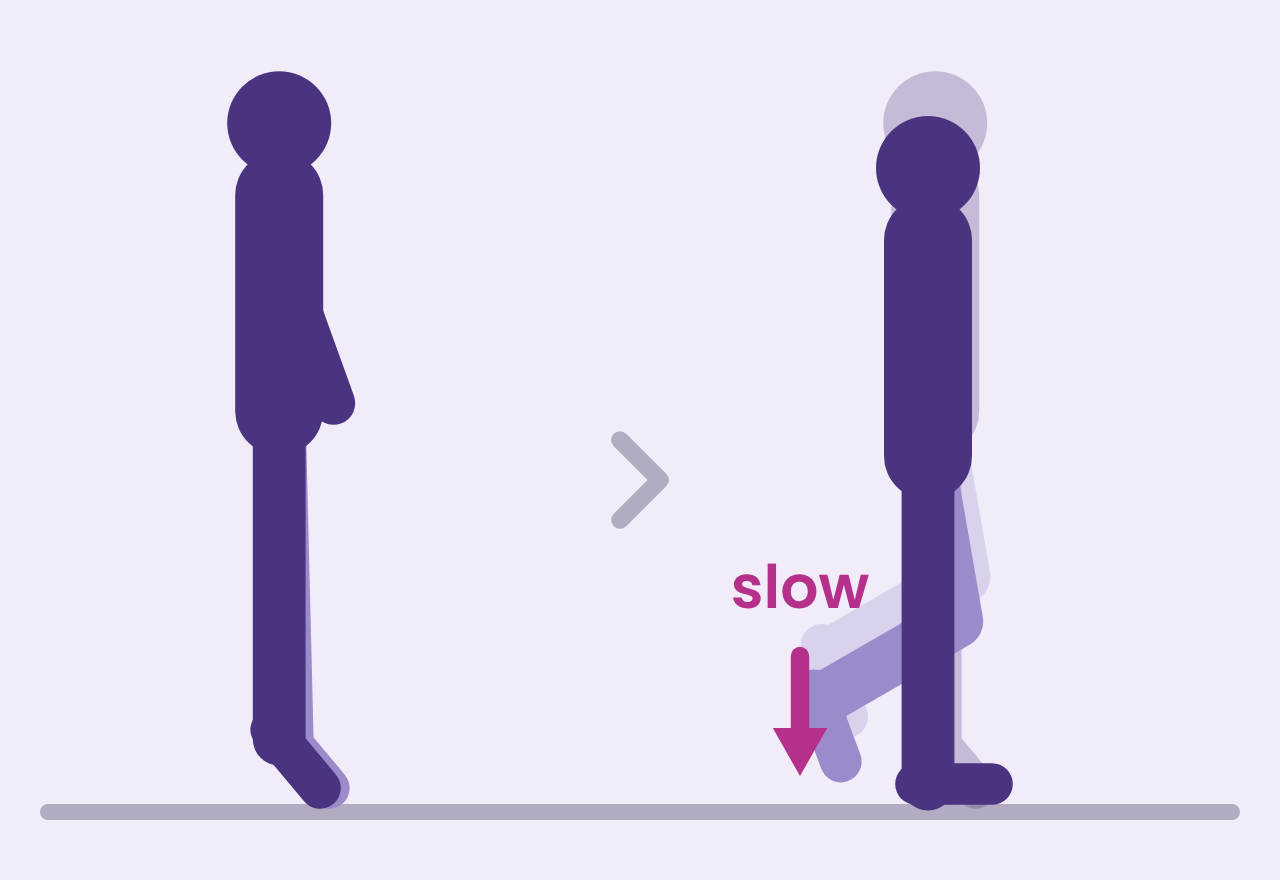
Slow loweringRise up on both feet, then shift onto the sore leg and lower slowly on that leg alone. Move from the floor, to a step, to a step with added weight.Stage 1: 3 × 10 on the floor. Stage 2: 3 × 15 on a step. Stage 3: 3 × 15 with added weight
Quick bouncing heel raisesFrom stage 2, do small, quick bounces up onto your toes on both feet, staying light and springy. Progress to one foot when easy.3 × 20, daily from stage 2
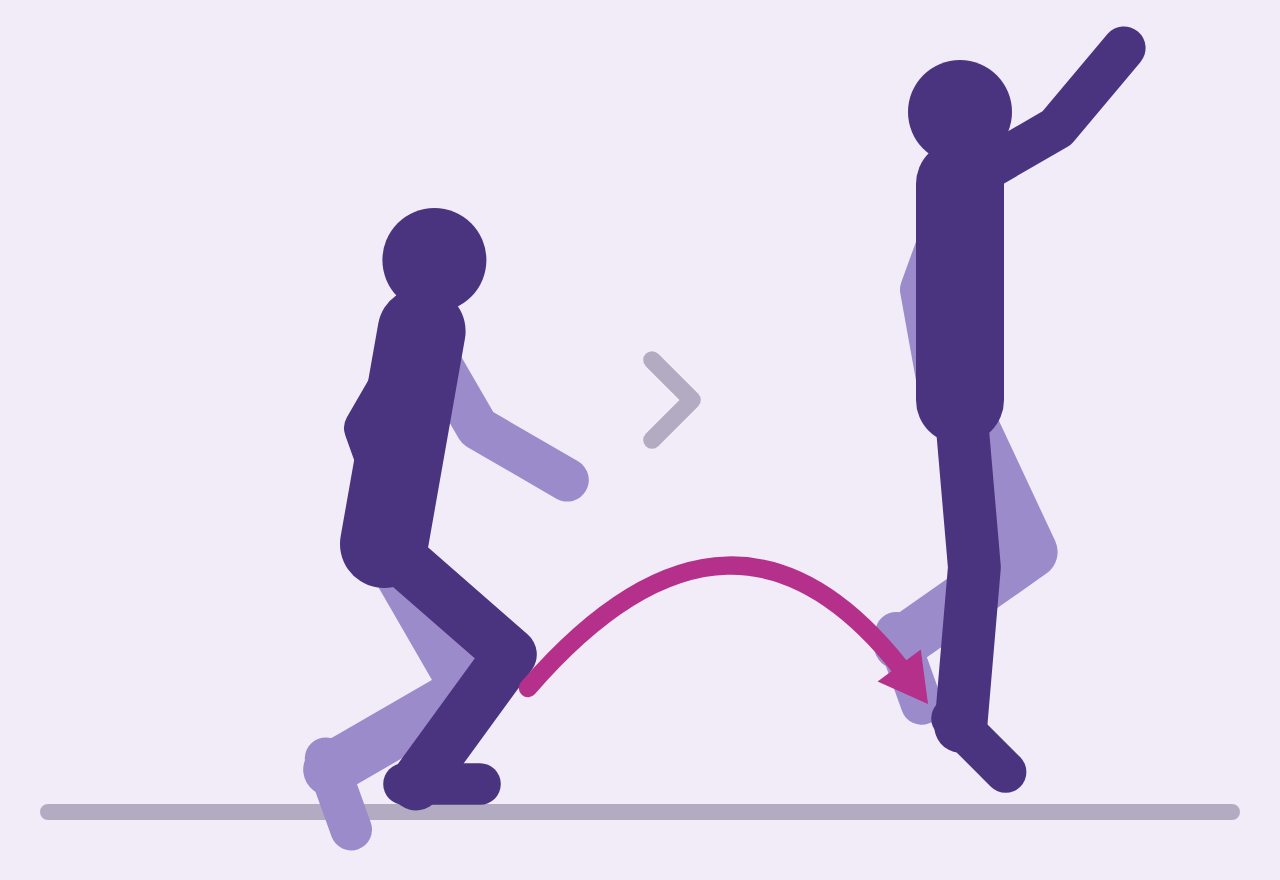
Hops and jumpsIn stage 3, once the exercises above are comfortable, add skipping, small hops and jumps, building up before you return to running fast, jumping or sport.Build up gradually, within the pain rules
Maintenance (from 3 months): keep doing one-leg heel raises with weight (3 × 15), slow lowering with weight (3 × 15) and quick bouncing (3 × 20), 2–3 times a week, for at least 3–6 months.
Load tips: the tendon dislikes sudden jumps in training, hills, speed work and very flat shoes. Change one thing at a time. Track your morning pain and stiffness; it’s your best progress gauge.
Stop and see your GP or physio if
You felt a sudden snap or a ‘kick’ in the back of your heel, or can’t push off or stand on tiptoe (same day)
Your calf is swollen, warm, red or tender (same day)
The pain started after taking an antibiotic such as ciprofloxacin
A hot, red, swollen heel or ankle, or fever
Pain keeps creeping up week to week despite easing off, or no improvement after 12 weeks
Want a supervised program?
A physio can stage your program, add weight safely and plan your return to running or sport. An exercise physiologist can help with gym loading. If you have a chronic condition, ask your GP about a GP Chronic Condition Management Plan (GPCCMP): it gives a Medicare rebate for up to 5 allied health visits a year (physio, exercise physiologist or podiatrist).
Common questions
Can I keep running with Achilles tendinopathy?
Often, yes, if pain stays within the rules (up to 5/10, and settled by the next morning). In a Swedish trial, people who kept active this way did as well as those who rested.
How long does Achilles tendinopathy take to heal?
It’s slow: expect about 12 weeks of loading for clear change, and 3–6 months or more for many people. Steady progress beats rushing.
Are eccentric heel drops the best exercise for Achilles tendinopathy?
They work, but not better than other heavy calf strengthening. In a Danish trial, heavy slow heel raises worked just as well as eccentric drops, and people stuck with them better.
Do I need a scan for Achilles pain?
Usually not. It’s diagnosed by examination. A scan is worth it if a tear is suspected, such as a sudden snap or not being able to stand on tiptoe.
Updated 29 October 2026. General education, not personal medical advice. Everyone is different, so check with your GP or physio if you’re unsure an exercise suits you.