Hip arthritis likes movement. Strong buttock and thigh muscles take load off the joint, and regular walking keeps it moving.
Quick answer: For hip osteoarthritis, do strength and balance exercise 2–3 times a week for at least 12 weeks, plus regular walking, cycling or water exercise. In trials, exercise eased pain and improved function by a similar amount to anti-inflammatory tablets, without the side effects. Mild pain during exercise is fine if it settles within 24 hours.
How to use this
Who it’s for: adults with hip osteoarthritis diagnosed by a GP or physio. Pain usually in the groin or front of the thigh, worse after activity, with stiffness in the morning or after sitting.
Pain rules: mild pain (up to about 3–4 out of 10) during exercise is OK if it settles within 24 hours. If it doesn’t, do less next time rather than stopping.
How often: strength work 2–3 times a week for at least 12 weeks; walking, cycling or swimming most days.
How many: 3 sets of 10–15. Progress when the last few reps feel easy: more resistance, a lower chair, or one leg.
Based on: the RACGP osteoarthritis guideline (2018), Cochrane reviews of exercise for hip osteoarthritis, and the GLA:D program.
Your exercises
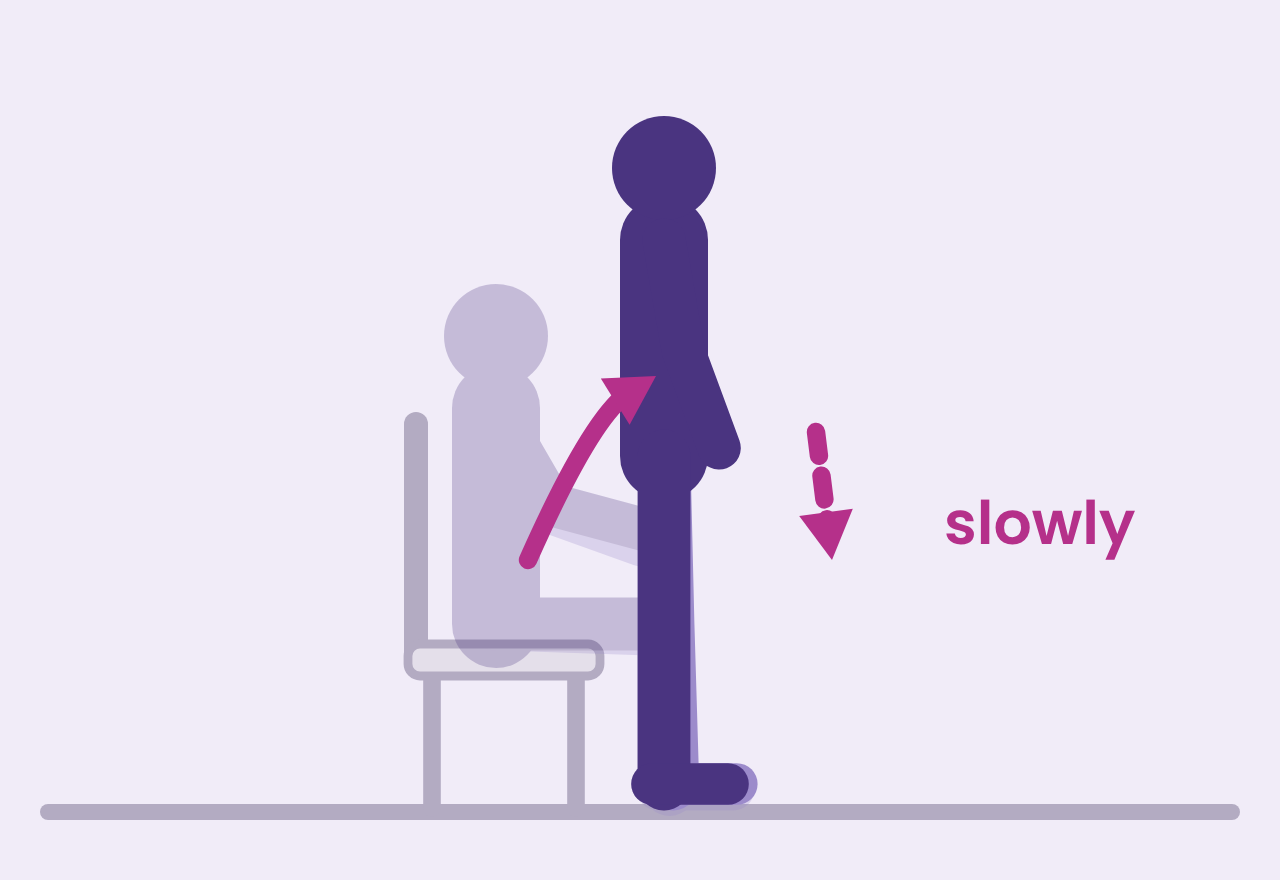
Sit to standStand up from a chair without using your hands, then sit down slowly. Progress to a lower chair or holding a weight.3 × 10–15, 2–3 times a week
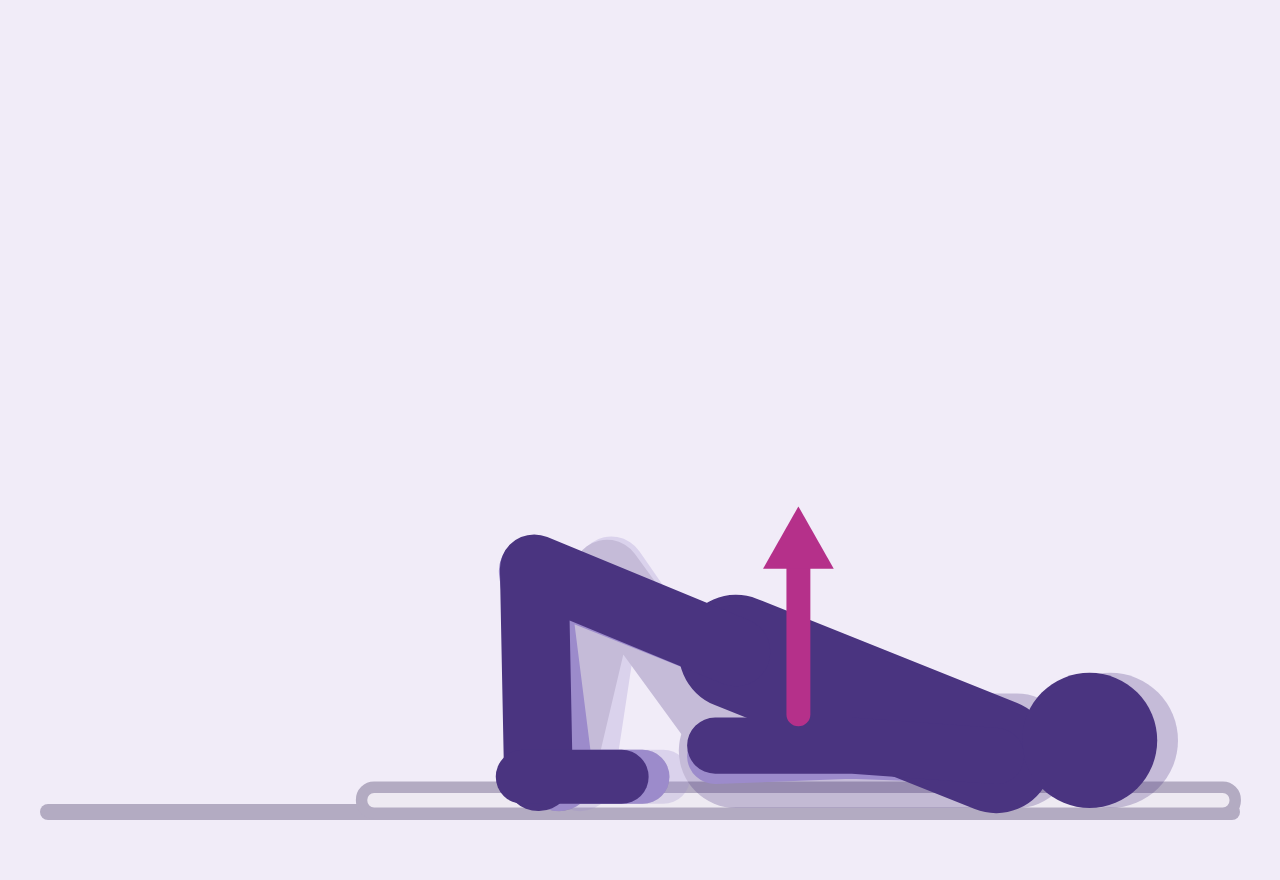
BridgesLie on your back, knees bent. Squeeze your buttocks and lift your hips, then lower slowly. Progress to one leg.3 × 10–15, 2–3 times a week
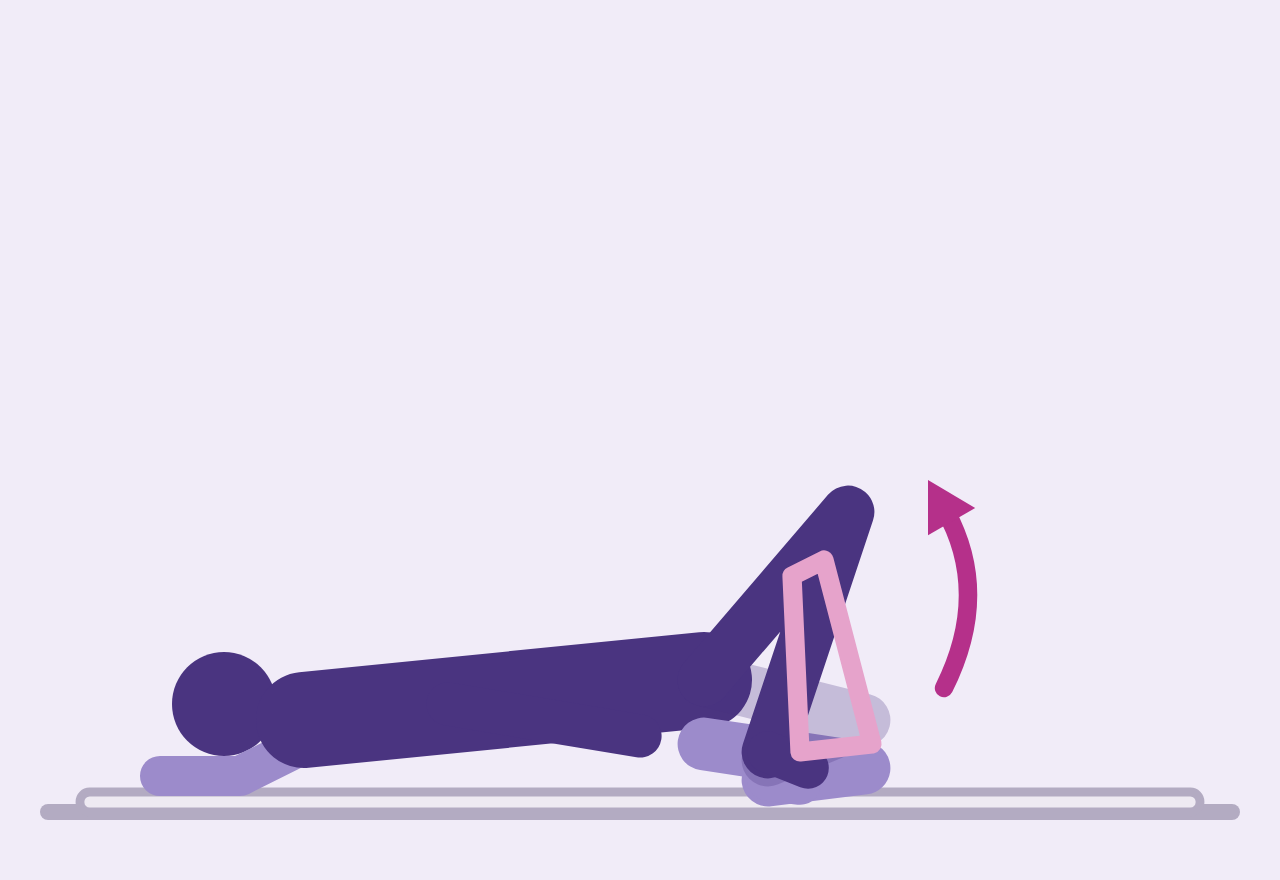
ClamshellsLie on your side, knees bent, feet together. Open the top knee like a clam without rolling back. Add a band when easy.3 × 15 each side, 2–3 times a week
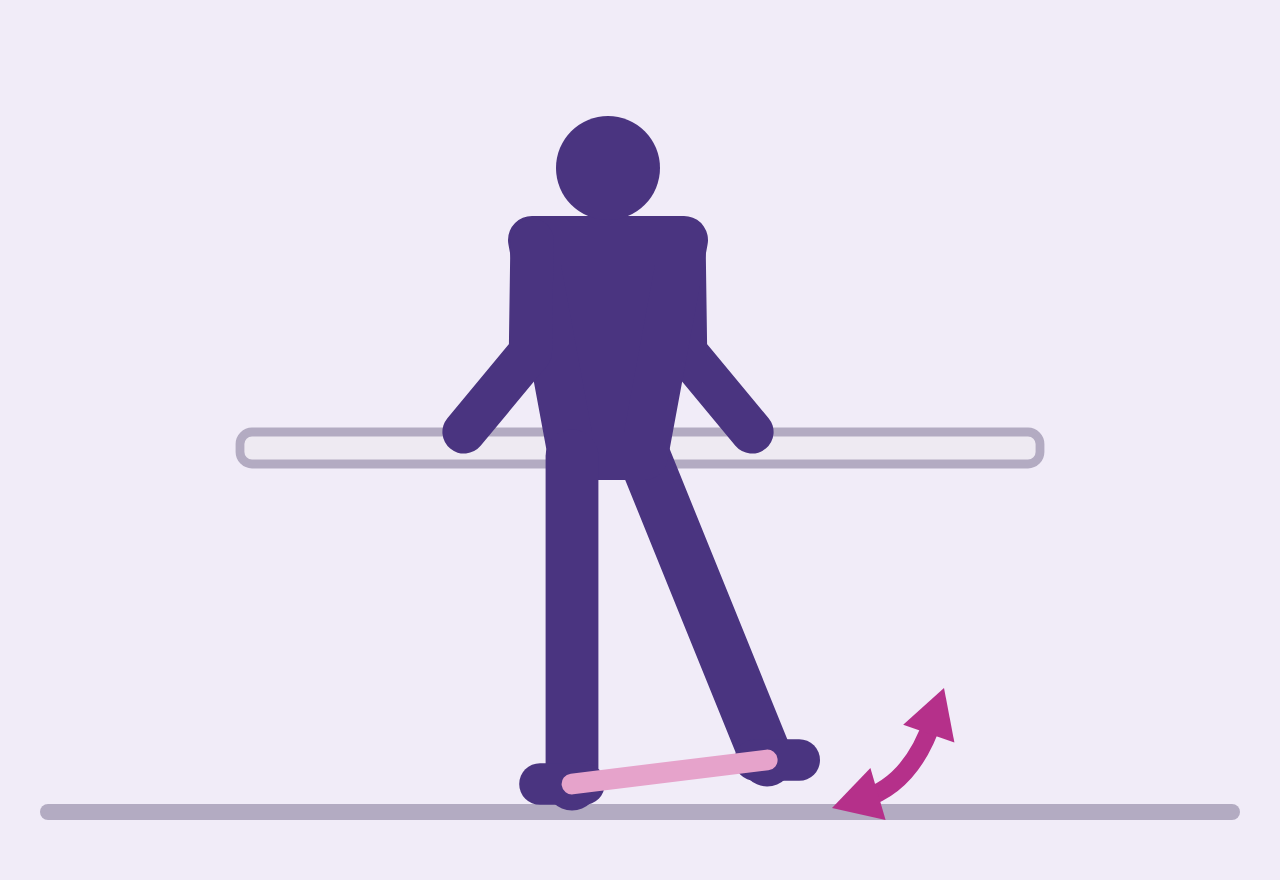
Side leg raisesHold a bench, stand tall and lift one leg out to the side, then lower slowly. Keep your toes forward. Add a band to progress.3 × 12–15 each side, 2–3 times a week
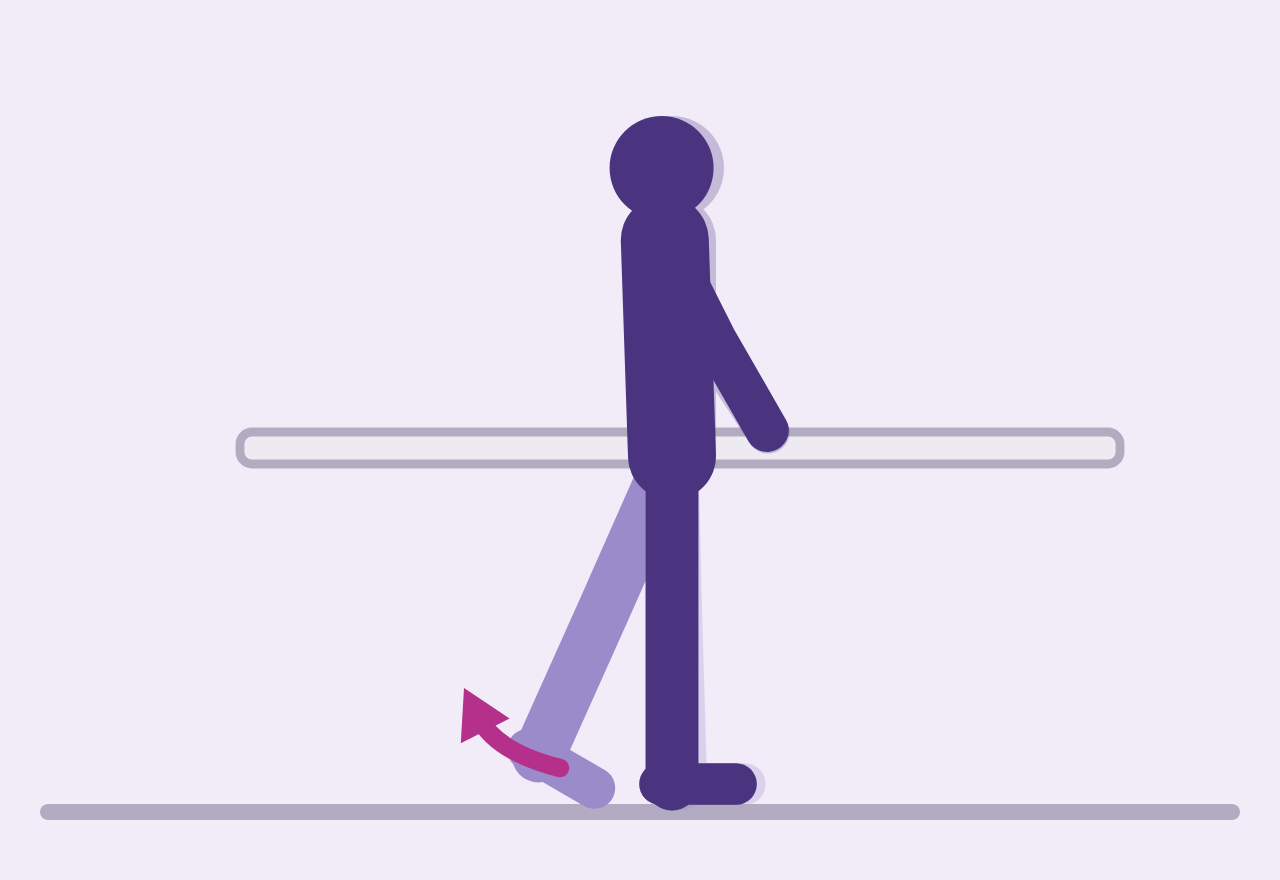
Hip extensionHold a bench, squeeze your buttock and take one straight leg backwards without arching your back. Add a band to progress.3 × 12–15 each side, 2–3 times a week
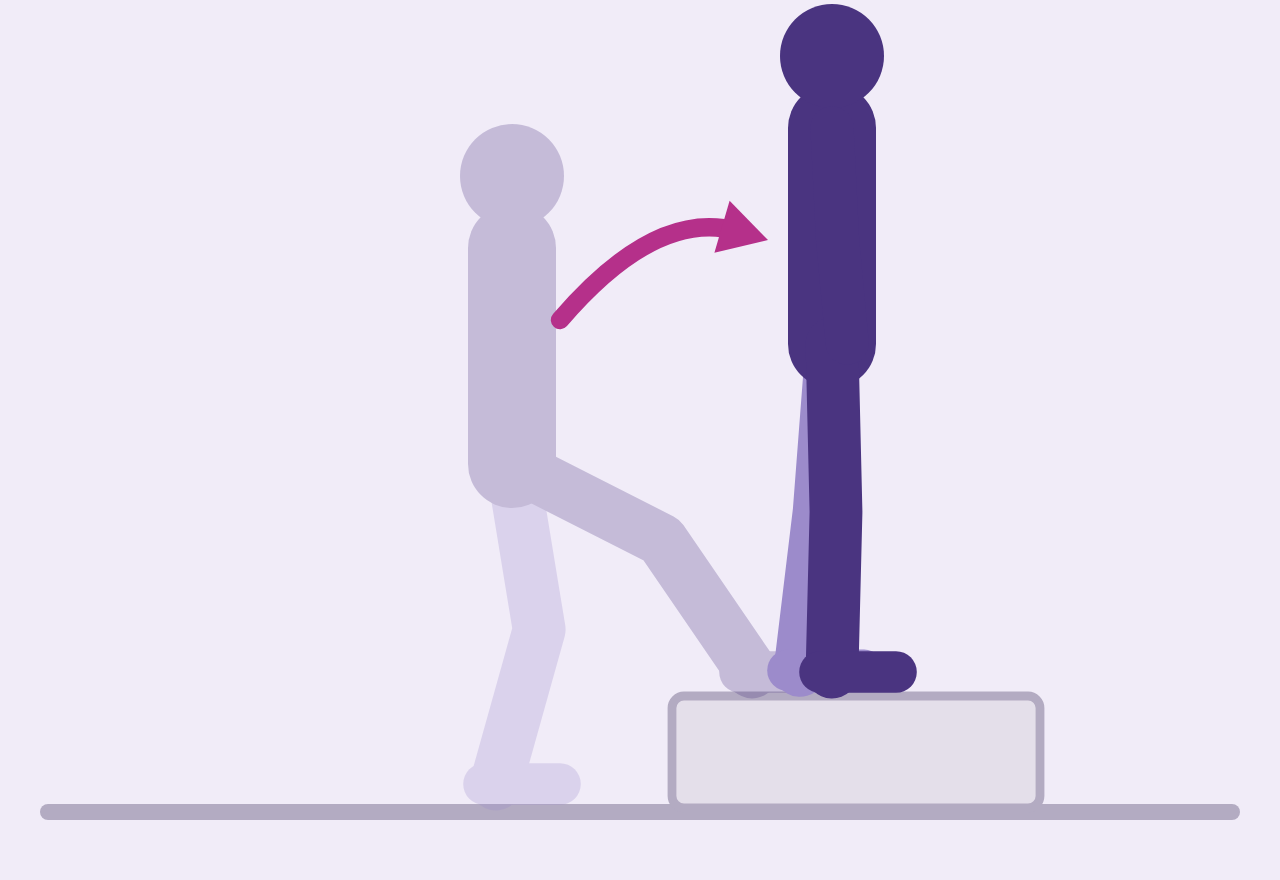
Step-upsStep up onto a low step, straighten up, then step down slowly. Keep your knee over your second toe. Progress to a higher step.3 × 10 each leg, 2–3 times a week
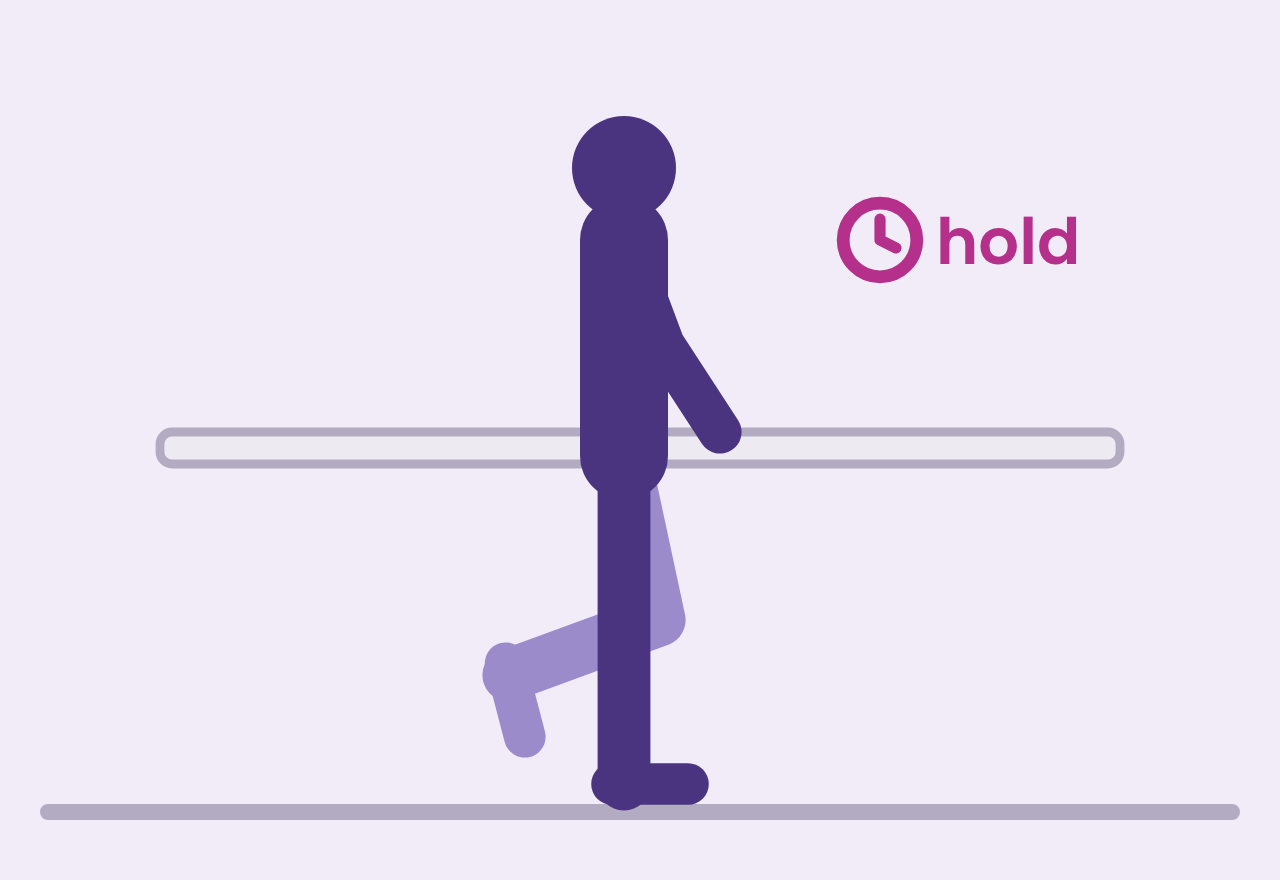
Single-leg balanceStand on one leg near a bench for safety, hips level. Progress to eyes closed or a soft surface.3 × 30 seconds each leg, most days
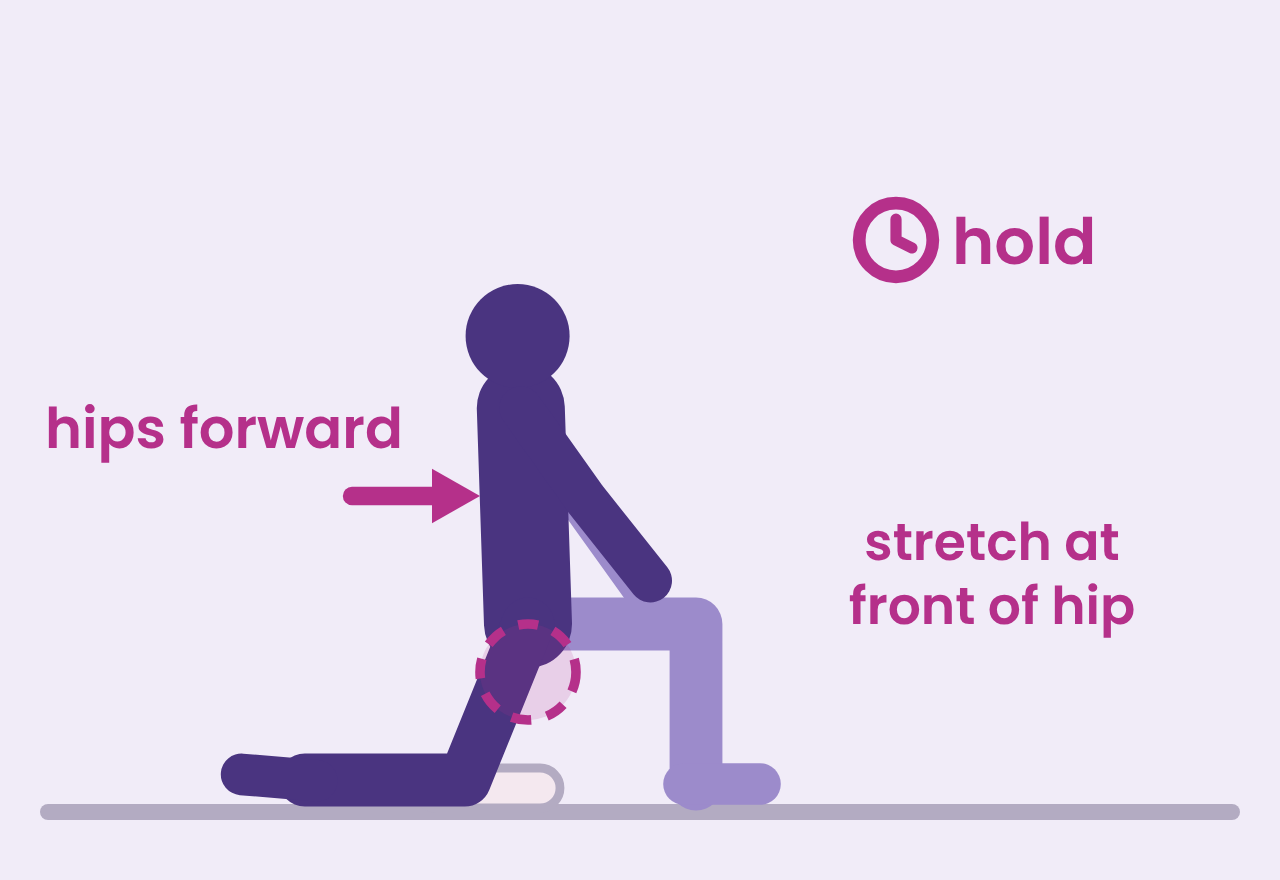
Hip flexor stretchKneel on one knee on a cushion, tuck your tail under and ease your hips forward until you feel a stretch at the front of the hip.3 × 30 seconds each side, daily
Extras that can help: Losing even 5–10% of body weight eases hip pain for many people. A walking stick in the hand opposite the sore hip takes load off it. Paracetamol or an anti-inflammatory can help you keep exercising. The GLA:D program runs 8-week supervised classes across Australia.
Stop and see your GP or physio if
Sudden severe hip pain or you can’t bear weight, especially after a fall
Hip pain with fever, or a hot, swollen joint (same day)
Pain at night or at rest that keeps getting worse, or unexplained weight loss
Numbness, weakness or pins and needles in the leg
No improvement after 3 months of regular exercise: it may be time to discuss a joint replacement
Want a supervised program?
A physio can tailor the exercises and progress them safely. An exercise physiologist can help with gym loading. If you have a chronic condition, ask your GP about a GP Chronic Condition Management Plan (GPCCMP): it gives a Medicare rebate for up to 5 allied health visits a year (physio, exercise physiologist or podiatrist).
Common questions
Will exercise wear my hip out faster?
No. Exercise doesn’t speed up hip arthritis, and stronger muscles protect the joint. Inactivity makes pain and stiffness worse.
Is walking good for hip arthritis?
Yes. Regular walking is one of the best things you can do. Build up slowly, use good shoes, and try cycling or water exercise on sore days.
When should I think about a hip replacement?
When pain stays severe and limits daily life despite exercise, weight management and pain relief. Exercise first also helps recovery if you do need surgery.
Do glucosamine or injections help?
Glucosamine and chondroitin don’t help hip pain more than placebo. Steroid injections can give short-term relief for a flare.
Updated 24 November 2026. General education, not personal medical advice. Everyone is different, so check with your GP or physio before starting a new exercise program.