Strong legs and good balance are the best insurance you can’t buy. Programs that mix balance and strength exercise cut falls by about a third.
Quick answer: Programs that mix balance and leg-strength exercises cut falls by about a third. Good options include sit to stand, heel raises, heel-toe standing, one-leg standing and sideways walking, building up to about 3 hours a week. Walking alone hasn’t been shown to prevent falls, but tai chi helps. See your GP if you’ve had a fall.
How to use this
Safety first: check with your GP before starting if you’ve had a recent fall, have heart or lung problems, or get dizzy. Hold a sturdy kitchen bench or chair, wear supportive shoes, and have someone nearby at first if you’re unsteady.
Stop straight away: for chest pain, dizziness or severe breathlessness. Call 000 if it doesn’t settle. Mild muscle soreness the next day is normal.
How often: these exercises 3 times a week, plus a walk at least twice a week. Build the walk from 5–10 minutes up to 30 minutes, at a pace where you can still talk.
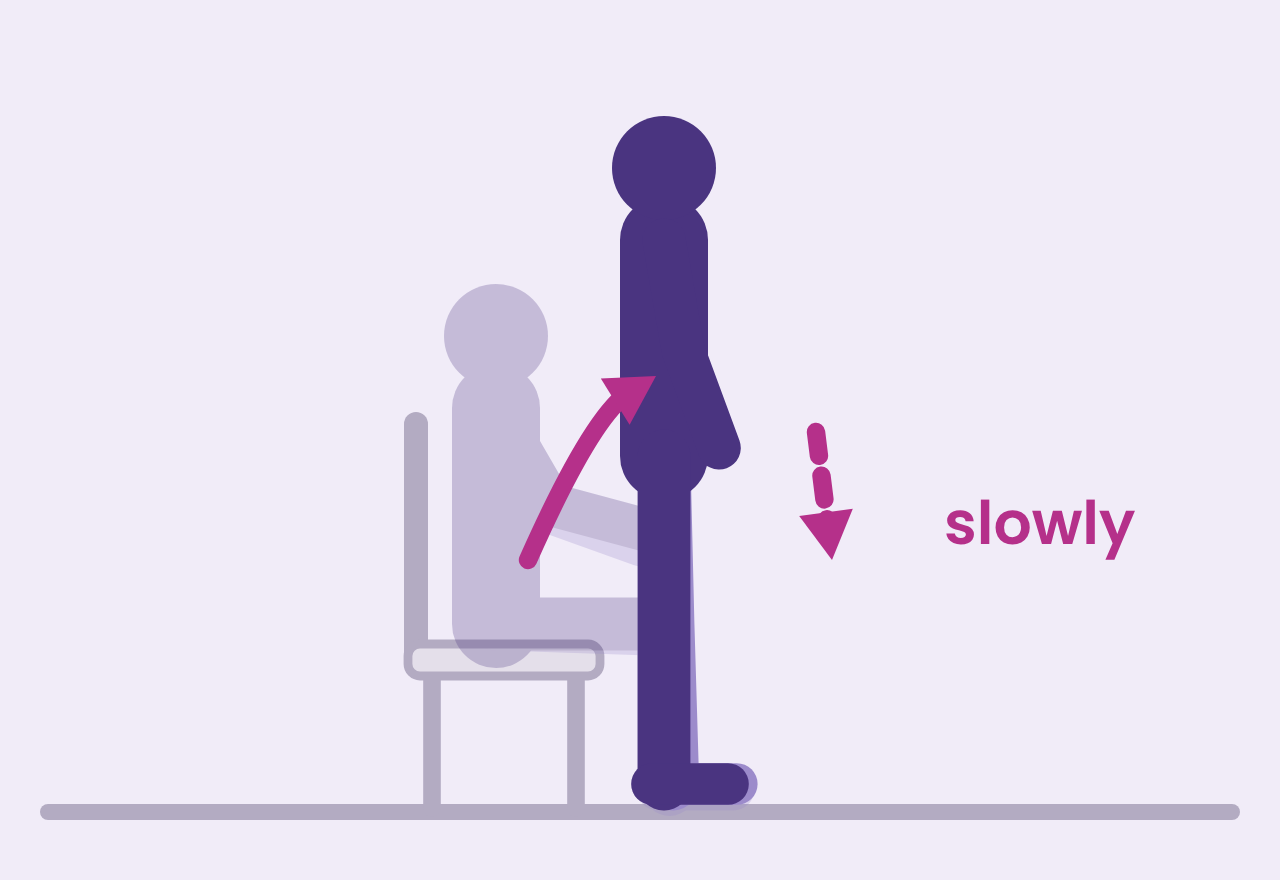
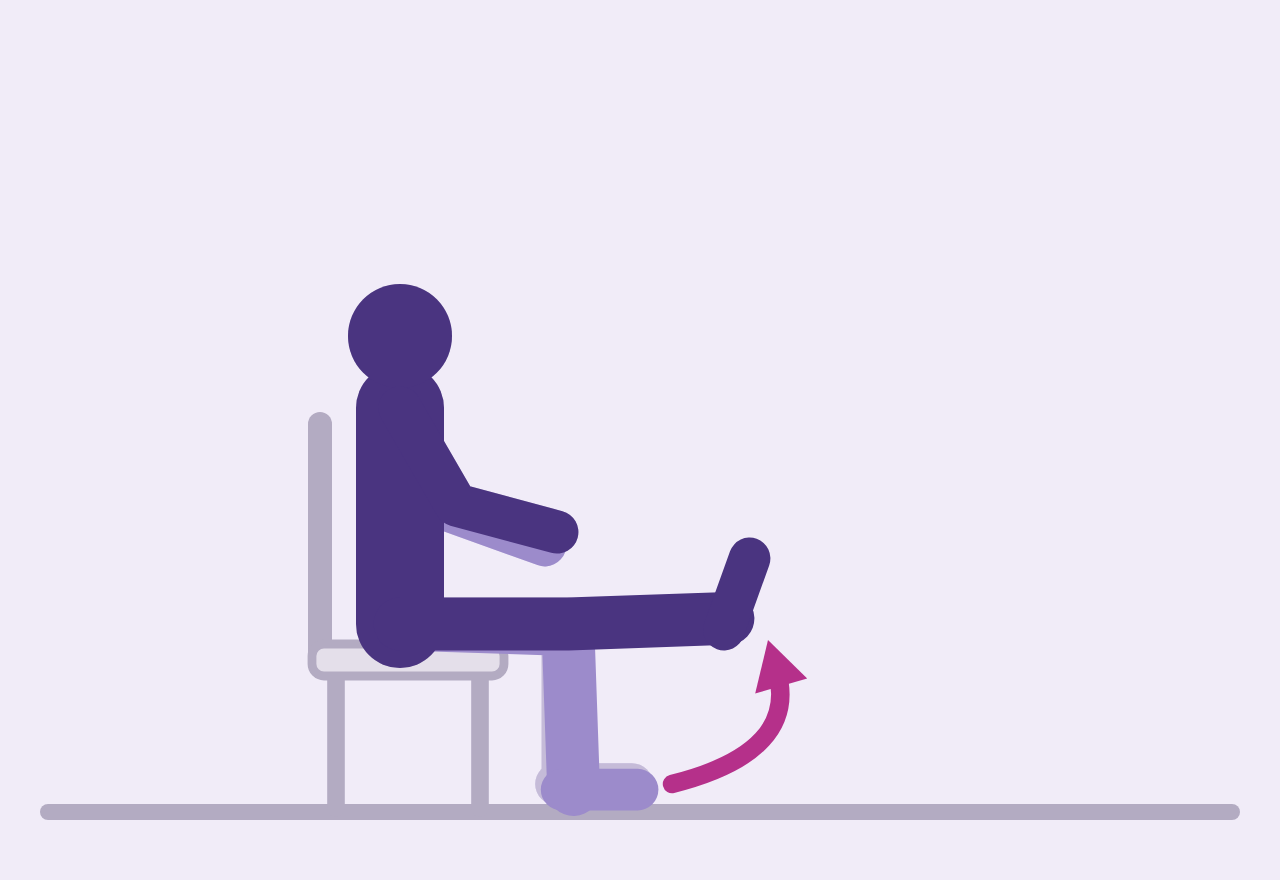
How to lift: lift over a slow count of 3, lower over a count of 5. Breathe normally.
Progress when: you feel confident. Hold on with less of your hand, one finger at a time, until you need only a fingertip, then none. For leg strength, a physio can add ankle weights.
Based on: the Otago Exercise Programme home booklet and the Cochrane review of exercise for preventing falls (Sherrington 2019).
Your exercises
Sit to standFrom a sturdy chair, stand up, then sit down slowly. Use your hands if you need to; progress to no hands.Up to 10, 3 times a week
Front knee strengthenerSit tall. Slowly straighten one knee (without locking it), then lower. Progress with an ankle weight.Up to 10 each leg, 3 times a week
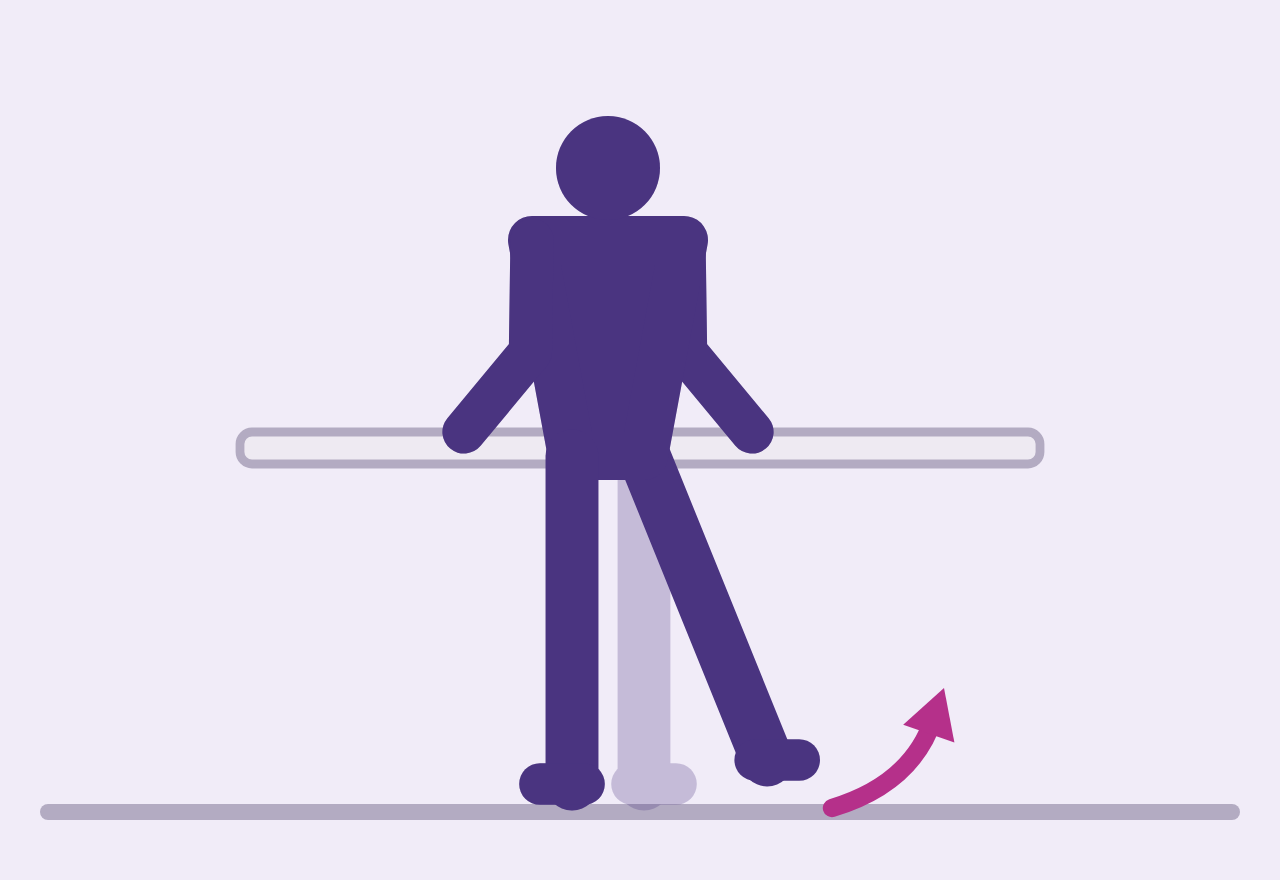
Side hip strengthenerStand holding the bench. Lift one leg out to the side, toes pointing forward and body upright, then lower slowly.Up to 10 each leg, 3 times a week
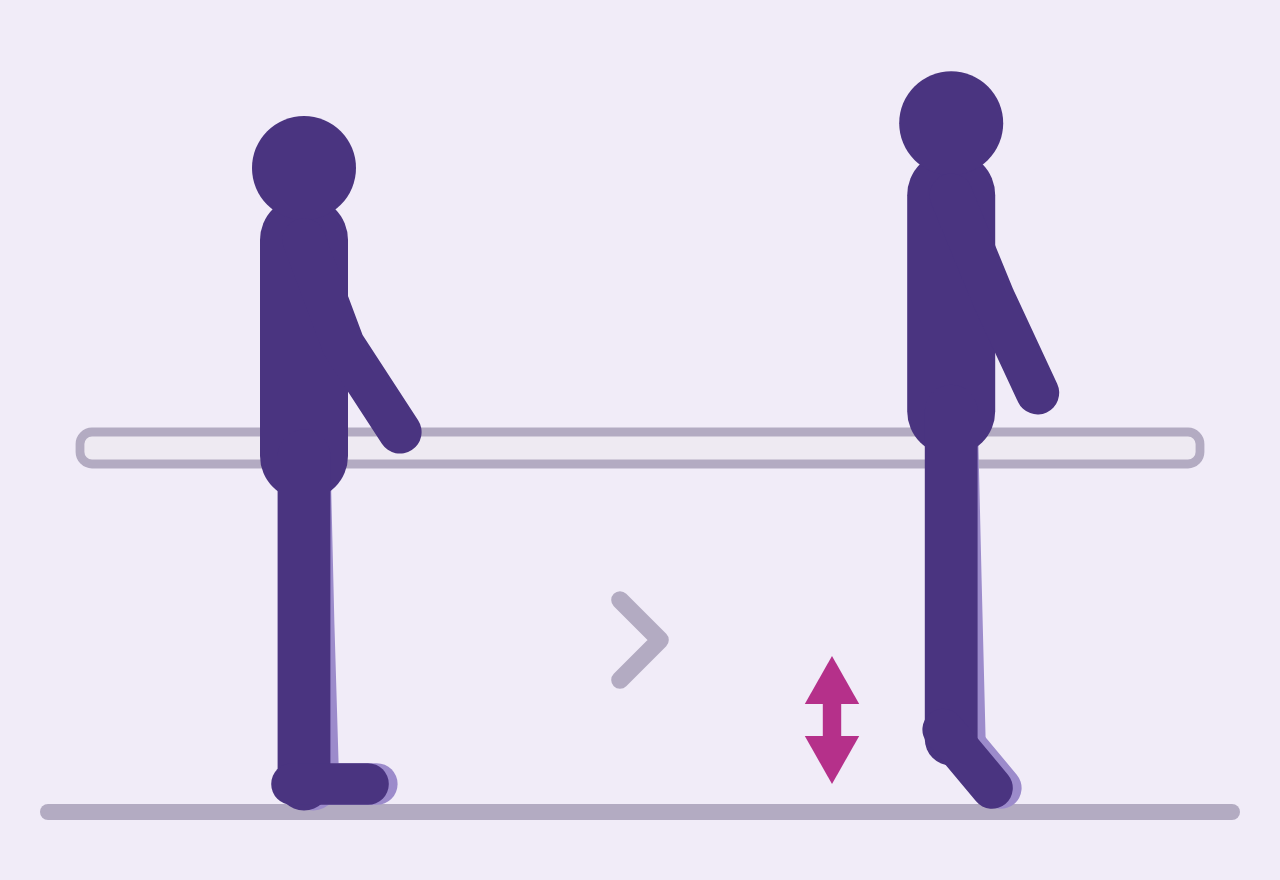
Heel raisesStand holding the bench. Rise up onto your toes, keeping your weight over your big toes, then lower slowly.10–20, 3 times a week
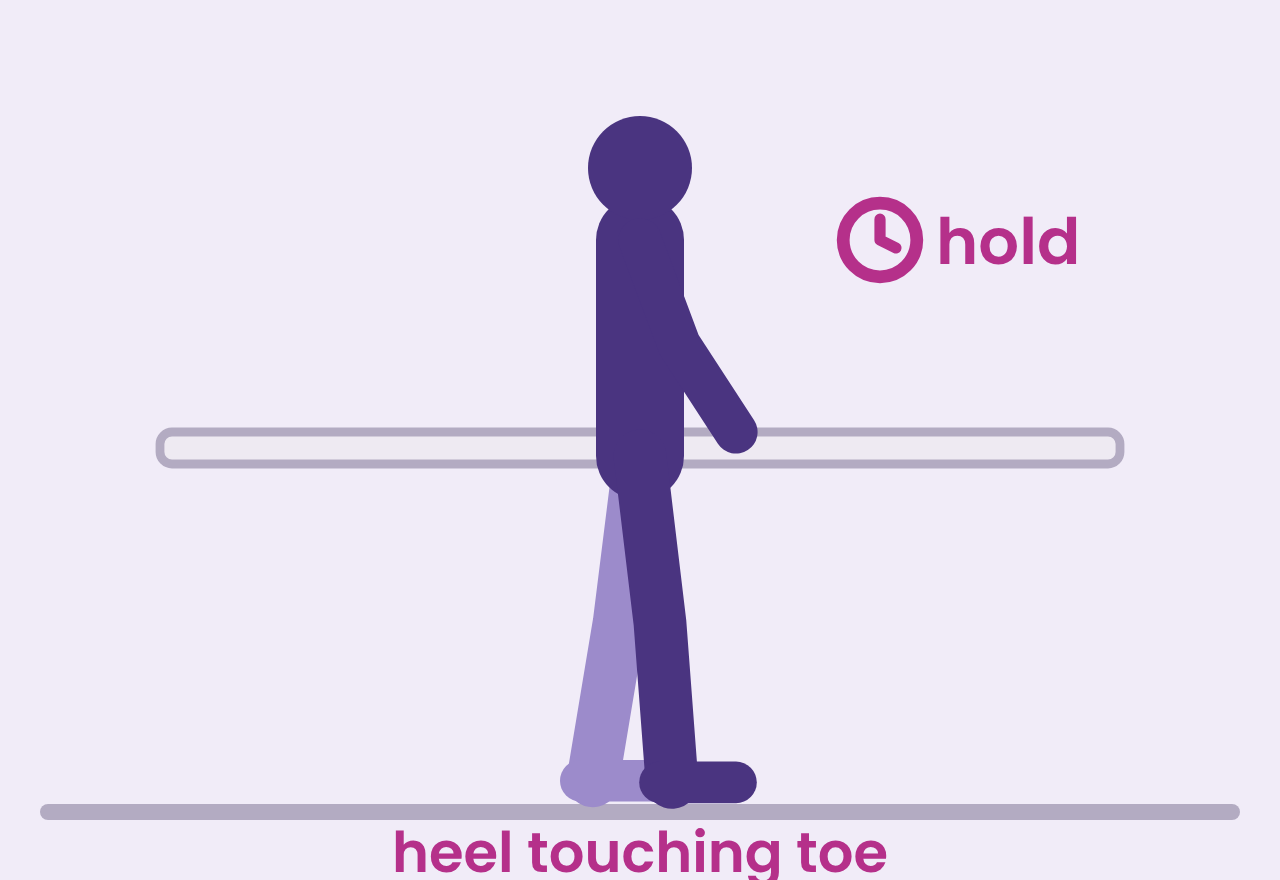
Heel-toe standHolding the bench, stand with one foot directly in front of the other, heel touching toe. Swap feet. Progress by holding on less.Hold 10 seconds each way, 3 times a week
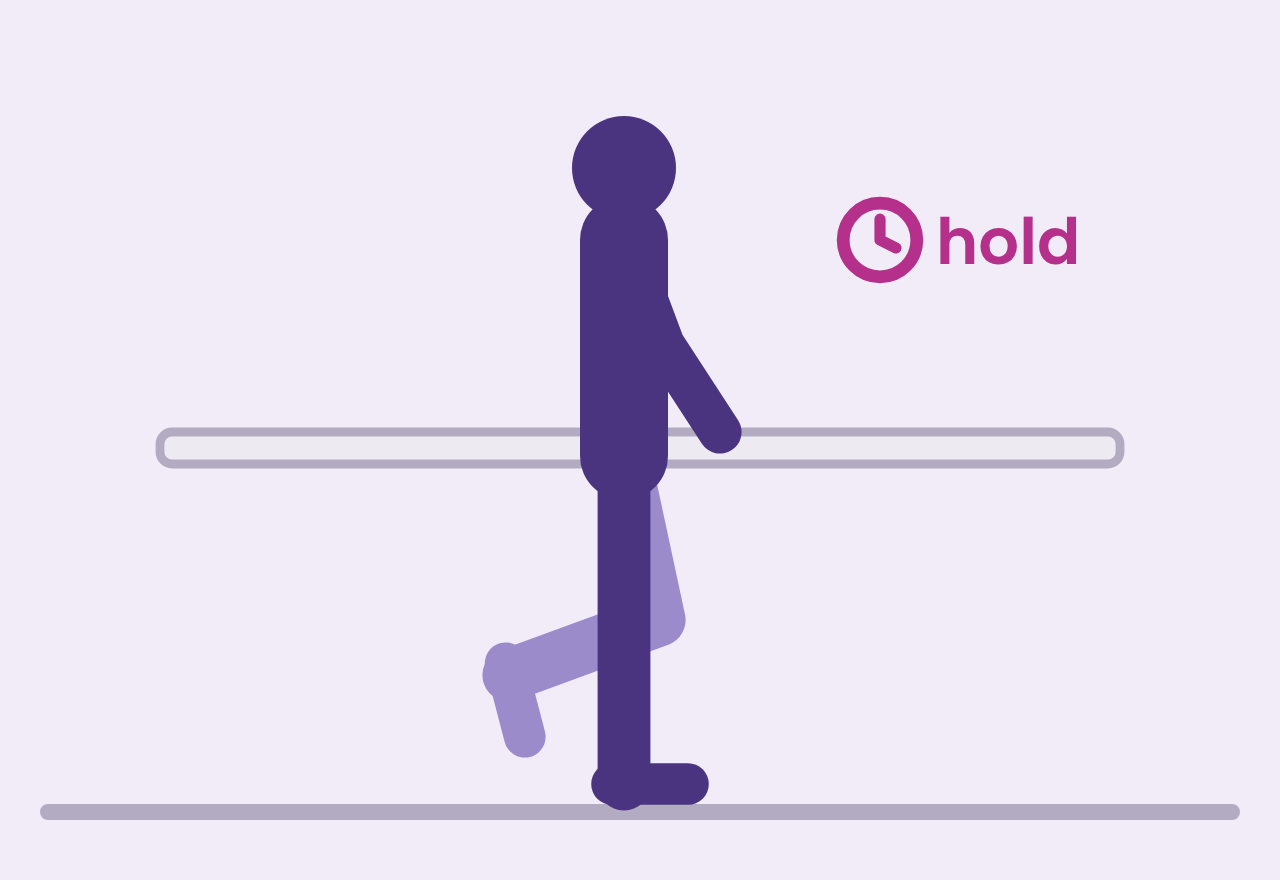
One-leg standHolding the bench, stand on one leg. Progress by holding on less, then not at all.Hold 10 seconds each leg, 3 times a week
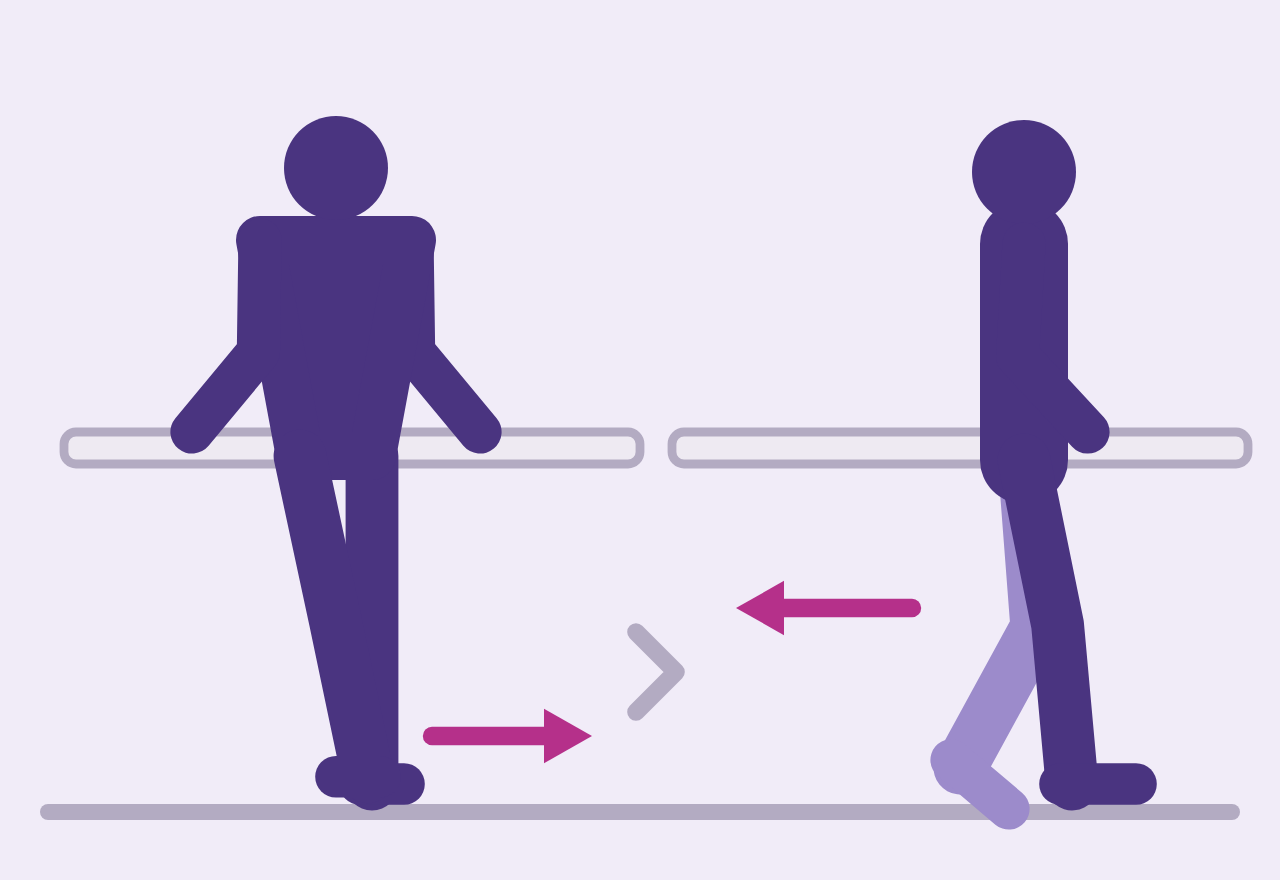
Sideways and backwards walkingAlong the kitchen bench, walk sideways 10 steps each way, then walk backwards 10 steps, holding on as needed.10 steps each way, 3 times a week
Home safety: worth doing if you’ve already fallen, recently been in hospital, or have poor eyesight or balance. Common fixes: grab rails in the shower and toilet, non-slip bath mats, rails on stairs, clearing loose rugs and clutter, and good lighting (especially at night). An occupational therapist home visit gets the best results; ask your GP.
Also counts: tai chi classes, and staying on your feet and active through the day.
Stop and see your GP or physio if
You’ve had a fall, especially if you were hurt or couldn’t get up
You blacked out, or feel dizzy or faint when you stand up
Sudden weakness, confusion, or trouble speaking (call 000)
Chest pain or unusual breathlessness when exercising
Your medicines make you drowsy or dizzy (ask for a medicine review)
Fear of falling is stopping you going out
Want a supervised program?
A physio or exercise physiologist can run the full Otago program with you at home, set ankle weights and progress the balance work safely. Many areas also have group strength and balance classes; ask your GP or local council. If you have a chronic condition, ask your GP about a GP Chronic Condition Management Plan (GPCCMP): it gives a Medicare rebate for up to 5 allied health visits a year (physio, exercise physiologist or podiatrist).
Common questions
Do exercises really prevent falls?
Yes. In the Cochrane review, exercise cut the rate of falls by about 23%, and programs mixing balance and strength exercises by about a third.
Is walking enough to prevent falls?
Walking is great for your health, but on its own it hasn’t been shown to prevent falls. Add balance and leg-strength exercises like the ones on this page.
Does tai chi help prevent falls?
Yes. In the Cochrane review, tai chi reduced the number of people who fell by about 20%.
How much exercise do I need to prevent falls?
The programs that work best build up to about 3 hours a week of balance and strength work and keep it going long term. Start with this plan 3 times a week.
Updated 29 October 2026. General education, not personal medical advice. Everyone is different, so check with your GP or physio if you’re unsure an exercise suits you.