That stabbing heel pain with your first steps in the morning is common, stubborn and very fixable. Load and stretch the tissue, and give it time.
Quick answer: For plantar heel pain (plantar fasciitis), do a plantar fascia stretch before your first steps each morning and slow, heavy heel raises with a towel under your toes every second day. Add supportive shoes and a calf stretch. Most people improve within 3–6 months, and about 4 in 5 are better within a year.
How to use this
Who it’s for: adults with pain under the heel, worst with the first steps in the morning or after sitting, often in runners, people who stand all day or carry extra weight.
Pain rules: mild pain (up to about 3–4 out of 10) during exercise is OK if it settles within 24 hours.
How often: stretches daily; heel raises every second day for at least 12 weeks.
How many: see each exercise. For heel raises, add weight (a backpack with books) as they get easier, so you stay at 8–12 slow reps.
Based on: trials of high-load strength training (Rathleff et al, 2015) and plantar fascia stretching, plus clinical practice guidelines for heel pain.
Your exercises
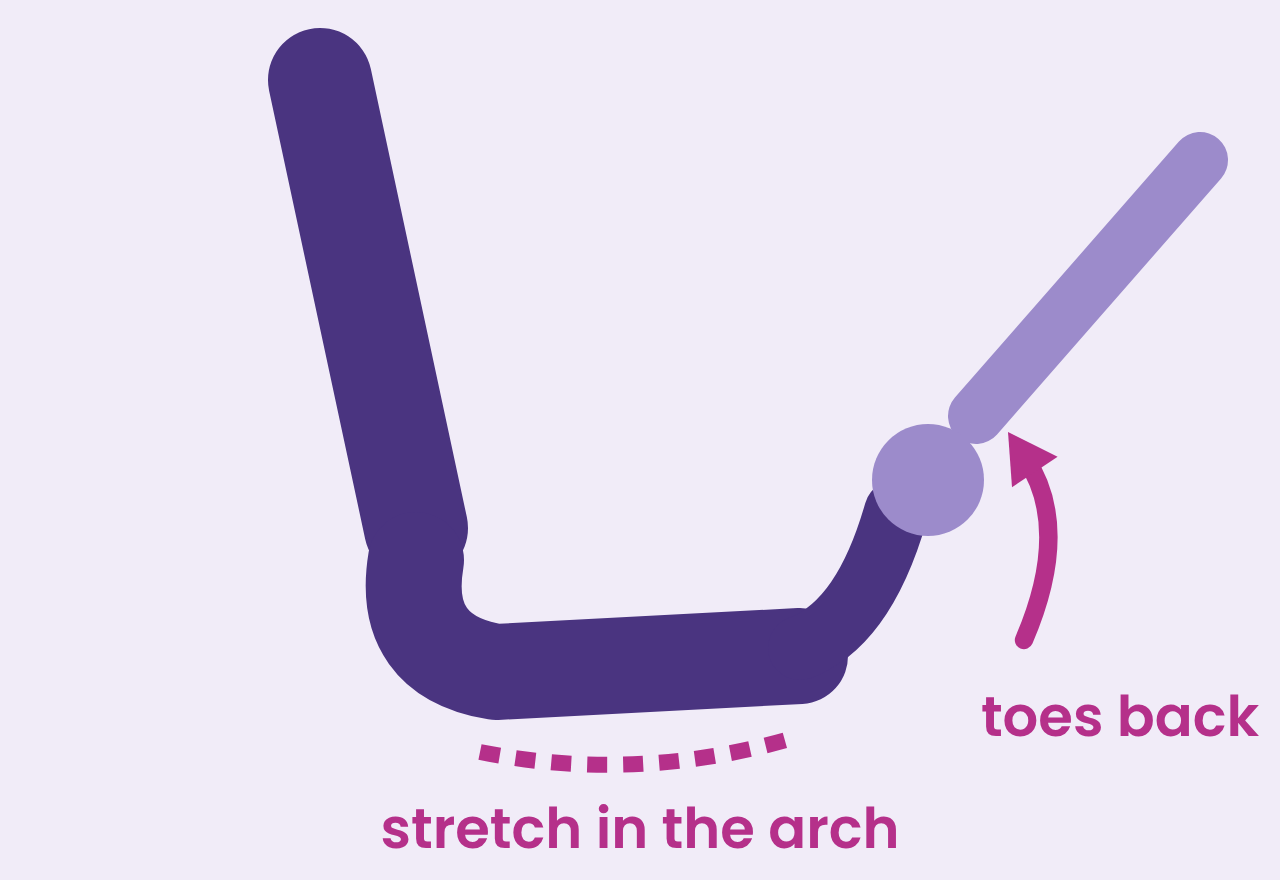
Plantar fascia stretchBefore you get out of bed, cross the sore foot over your knee and pull your toes back until you feel a stretch in the arch.10 × 10 seconds, before first steps and 2 more times a day
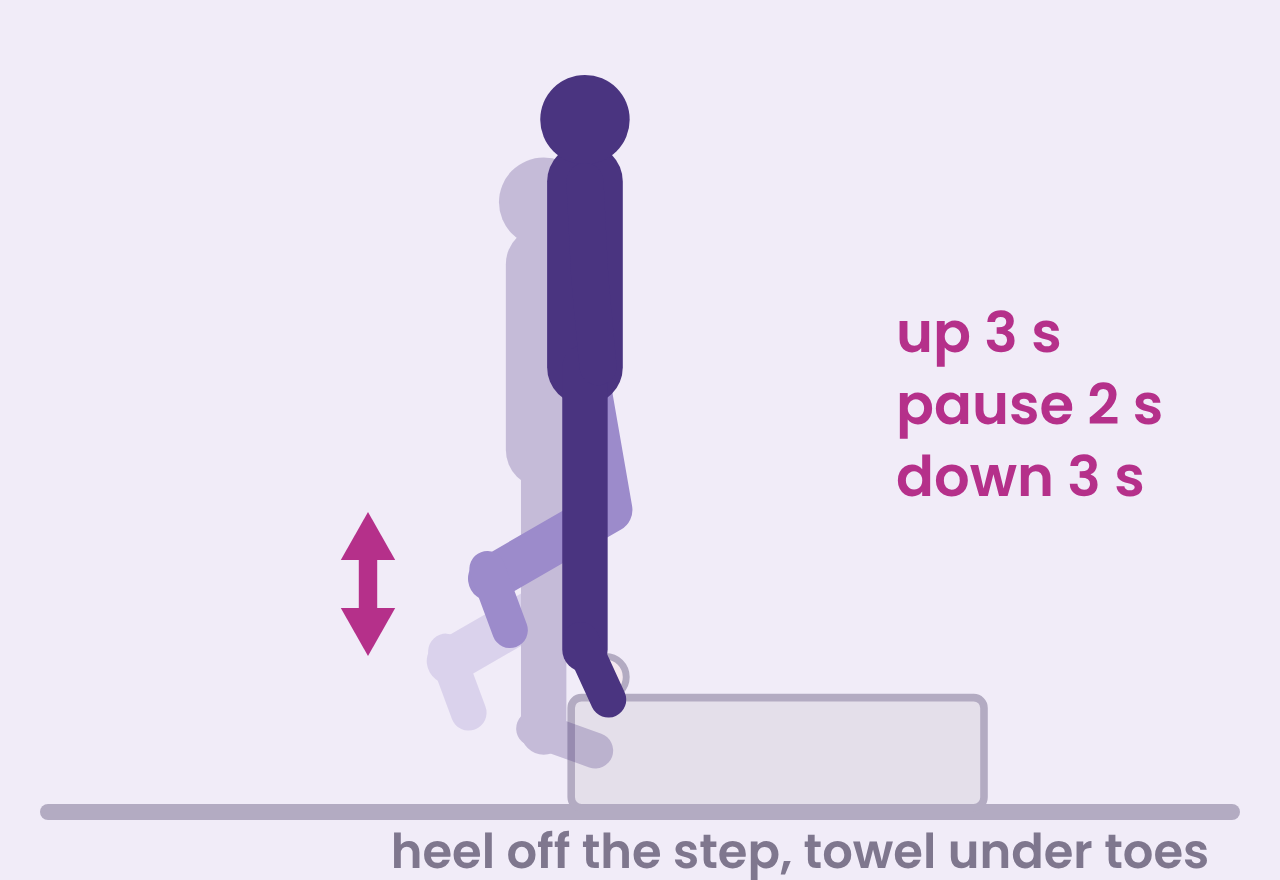
Heavy heel raises (towel under toes)Stand on a step on the sore leg with a rolled towel under your toes. Rise up over 3 seconds, hold 2, lower over 3. Add weight in a backpack.3 × 12, every second day (fewer reps as weight increases)
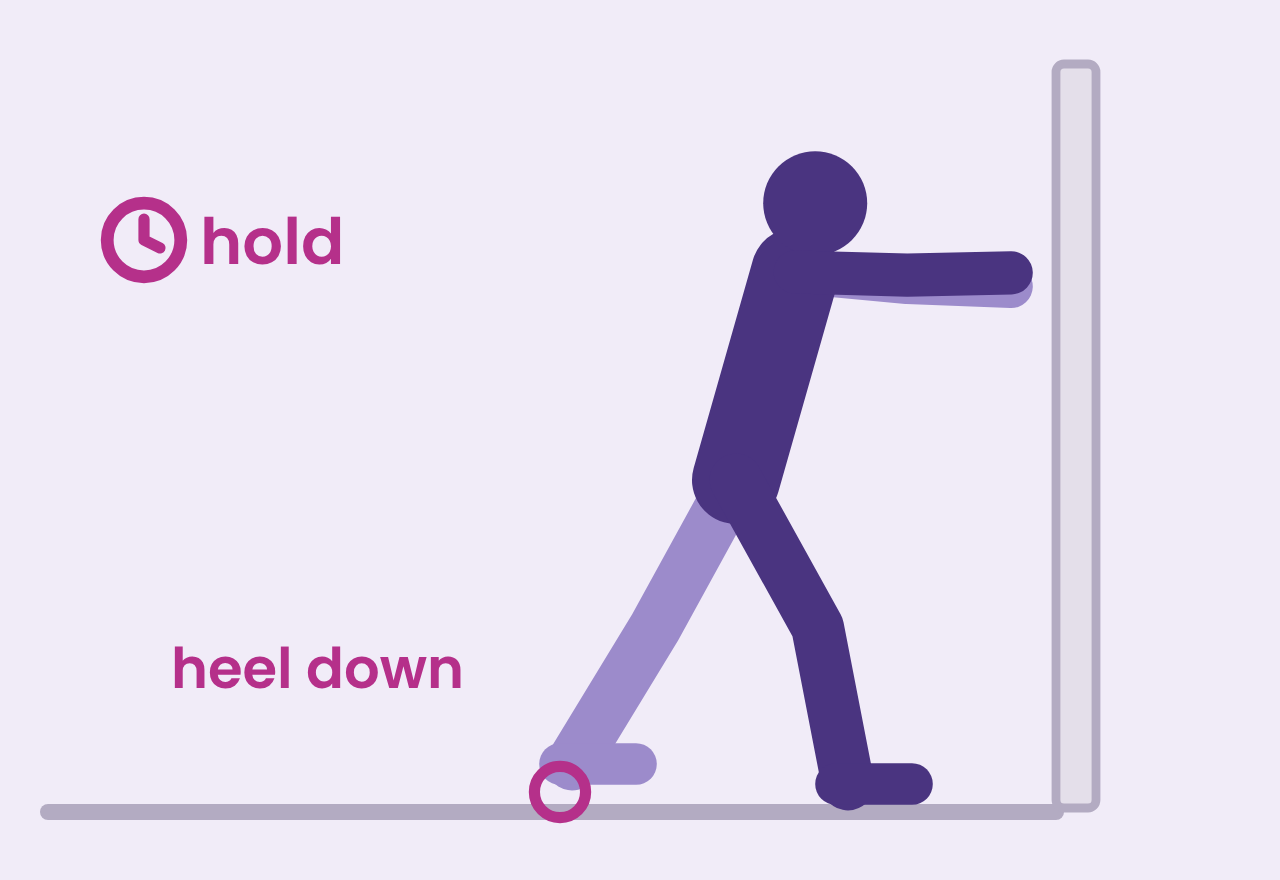
Calf stretch (straight knee)Hands on a wall, sore leg back with the knee straight and heel down. Lean in until you feel a stretch in the calf.3 × 30 seconds, twice a day
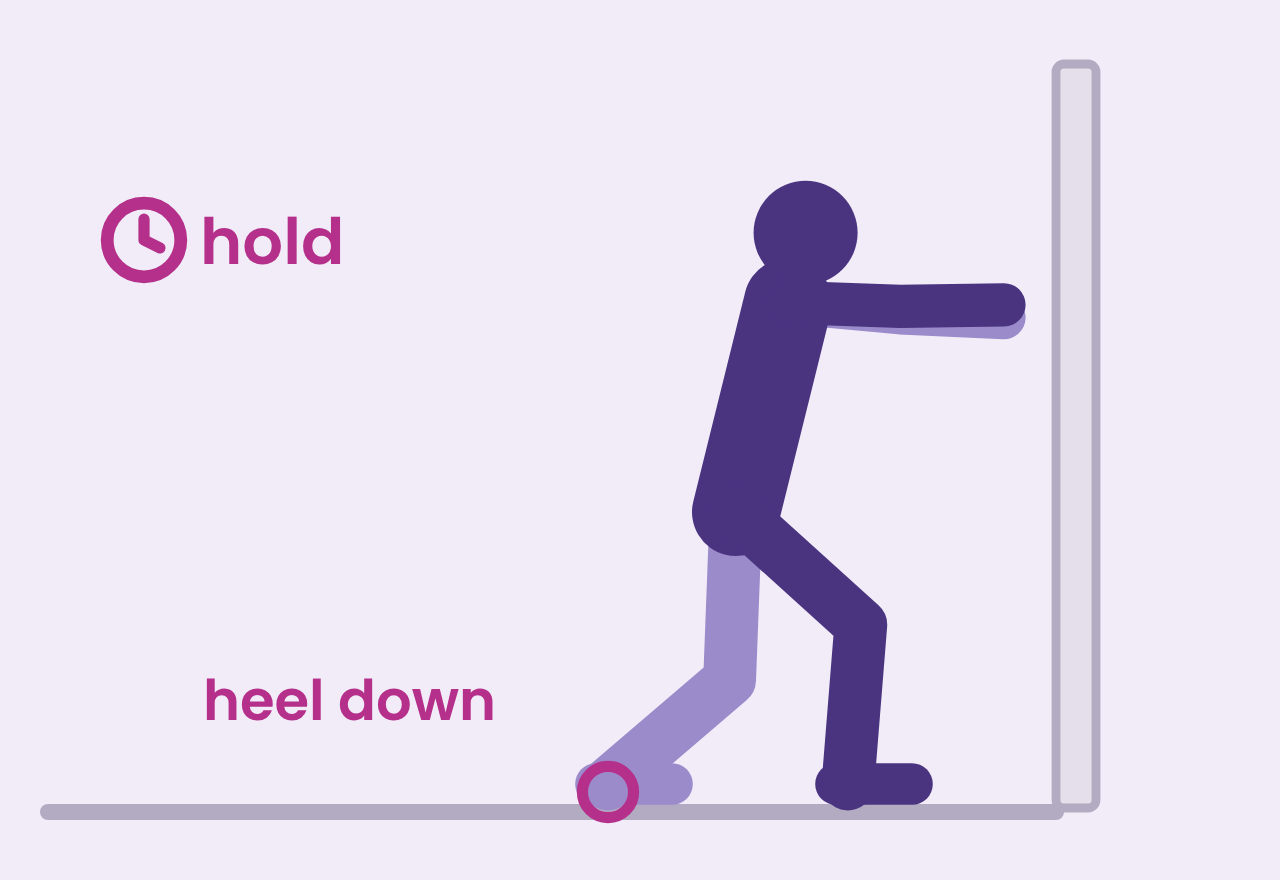
Calf stretch (bent knee)As above, but bend the back knee to stretch the lower calf.3 × 30 seconds, twice a day
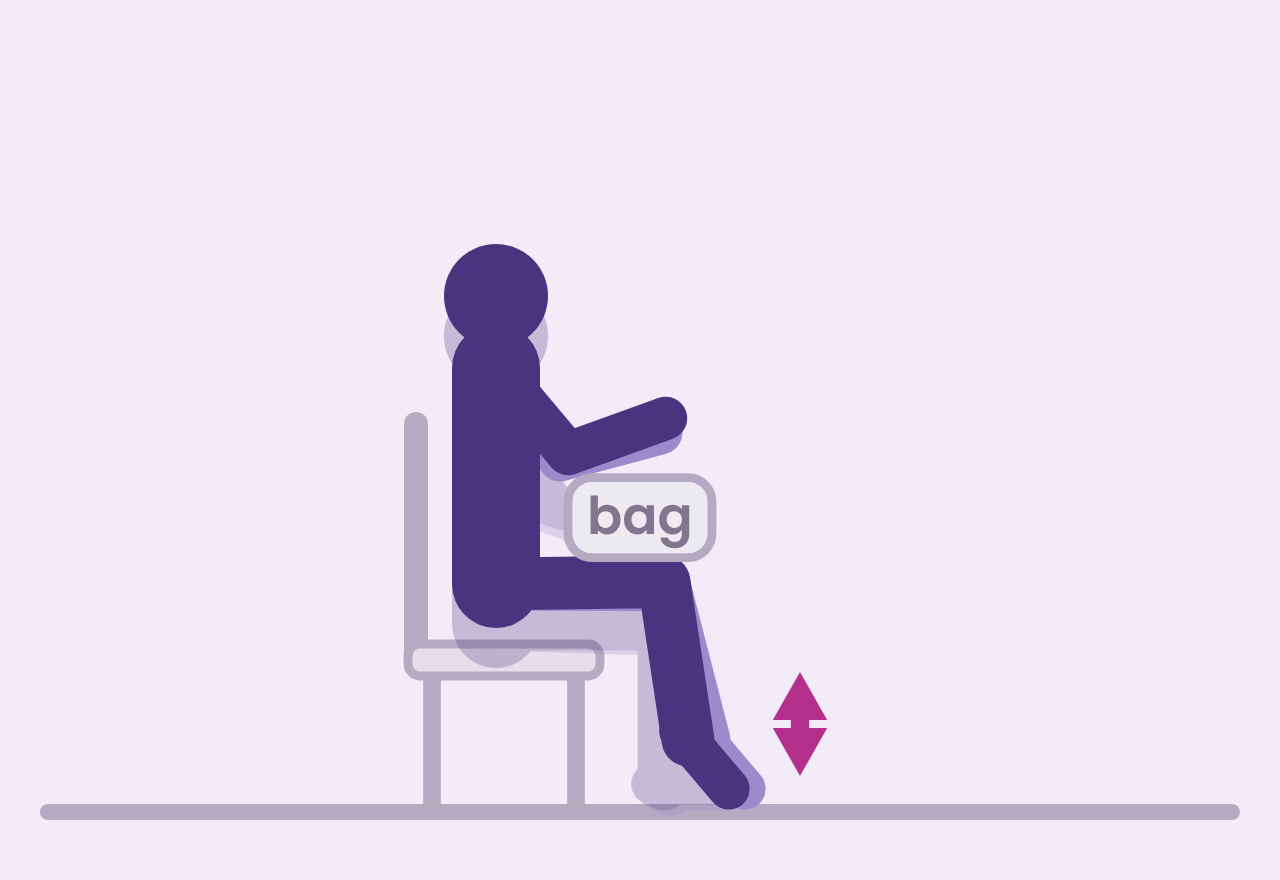
Seated heel raisesSit with a weight on your knees and lift your heels high, then lower slowly. Good on flare-up days.3 × 15, on days off from heavy heel raises
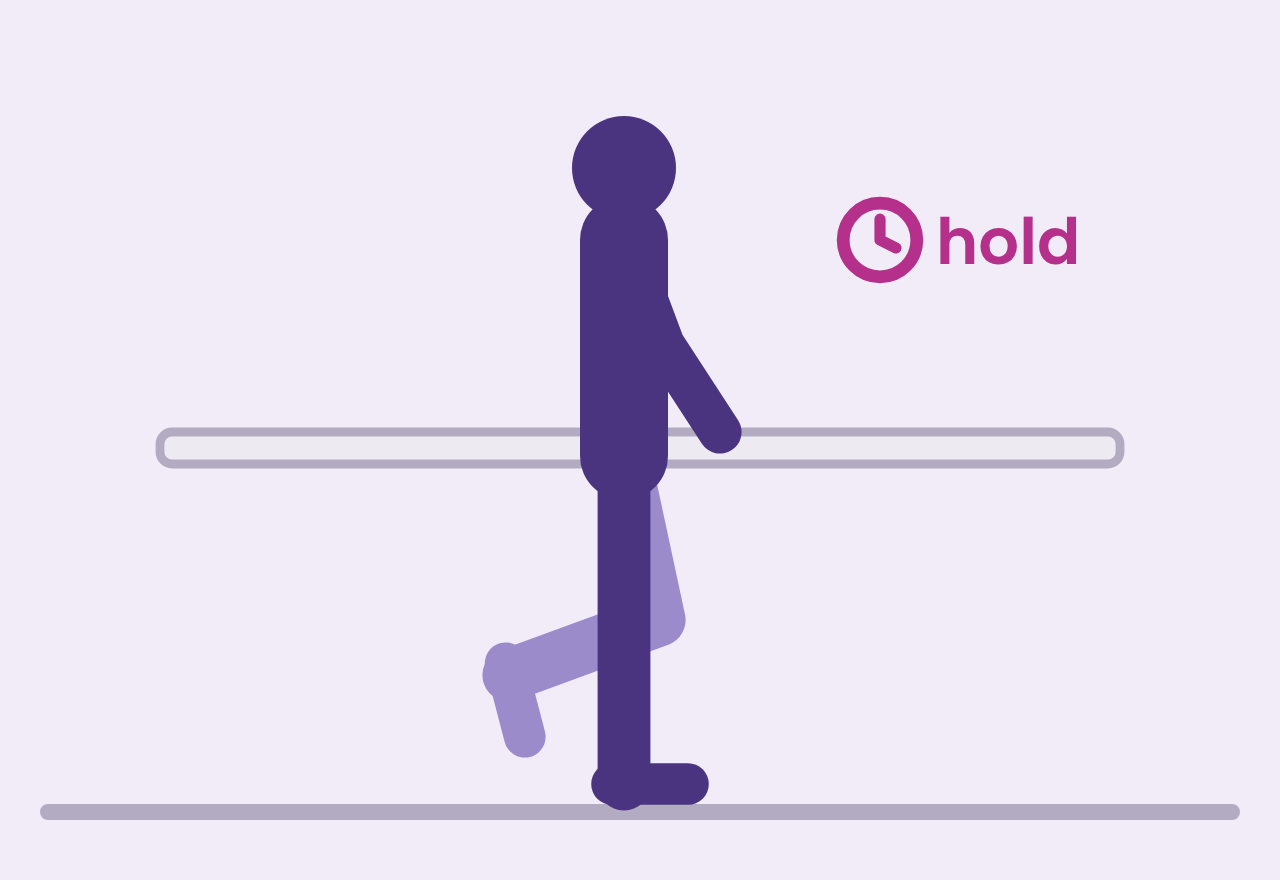
Single-leg balanceStand on the sore leg near a bench for 30 seconds. Progress to eyes closed.3 × 30 seconds, most days
Extras that can help: Supportive, cushioned shoes and heel cups or shop-bought arch supports help many people; avoid going barefoot on hard floors. Cut back on running or long standing for a while rather than stopping everything. Losing weight, if needed, reduces load. Shockwave therapy helps some stubborn cases. Repeated steroid injections can weaken the fascia, so they’re used sparingly.
Stop and see your GP or physio if
Heel pain after a fall or jump, or you can’t bear weight
Swelling, redness or warmth, or fever
Numbness, burning or pins and needles in the foot
Pain in both heels with back or joint stiffness, or eye inflammation
No improvement after 3 months of regular exercise
Want a supervised program?
A physio can tailor the exercises and progress them safely. An exercise physiologist can help with gym loading. If you have a chronic condition, ask your GP about a GP Chronic Condition Management Plan (GPCCMP): it gives a Medicare rebate for up to 5 allied health visits a year (physio, exercise physiologist or podiatrist).
Common questions
Is a heel spur causing my pain?
Usually not. Heel spurs are common in people without pain, and the pain comes from the plantar fascia, not the spur. They don’t need removing.
Should I stop exercising?
No. Reduce high-impact activity like running for a while, and keep active with cycling or swimming while you do the exercises.
How long does plantar fasciitis last?
Most people improve within 3–6 months, and about 4 in 5 are better within a year with simple treatment.
Do night splints or orthotics help?
Shop-bought arch supports and heel cups help many people as much as custom orthotics. Night splints help some with bad morning pain.
Updated 24 November 2026. General education, not personal medical advice. Everyone is different, so check with your GP or physio before starting a new exercise program.