Lower Back Pain Exercises: Strength and Movement Plan
Backs are strong, and sore is not the same as damaged. The fastest way out is to keep moving, gently at first, then more.
Quick answer: No single exercise is best for lower back pain, so choose ones you’ll keep doing. Walking is a good start, alongside gentle moves like knee rocks, cat and camel, bridges and bird dog. Stay as active as you can: bed rest slows recovery. Go to emergency for new numbness around your bottom or trouble controlling your bladder or bowels.
How to use this
Pain rules: some pain while moving is normal and isn’t a sign of damage. Start at an amount you can manage and build up step by step, rather than stopping each time it hurts. If a flare-up lasts more than a day or two, drop back a step, then build up again.
How often: walk most days; do the exercises once a day.
How long: new back pain usually gets better within a few weeks. For back pain lasting more than 3 months, exercise is one of the main treatments. Once you’ve recovered, a walking program built up over 6 months nearly doubled the time before the next bout of back pain.
Progress when: it feels manageable. Add a few minutes of walking or a few more repeats at a time. Get back to work and your usual activities as soon as you can; you don’t need to wait until the pain has gone.
Based on: the UK NICE back pain guideline (NG59), the Lancet 2018 back pain series, the Cochrane review of exercise for long-term back pain (2021), which found no one type of exercise works best, and the Australian WalkBack trial (Lancet 2024).
Your exercises
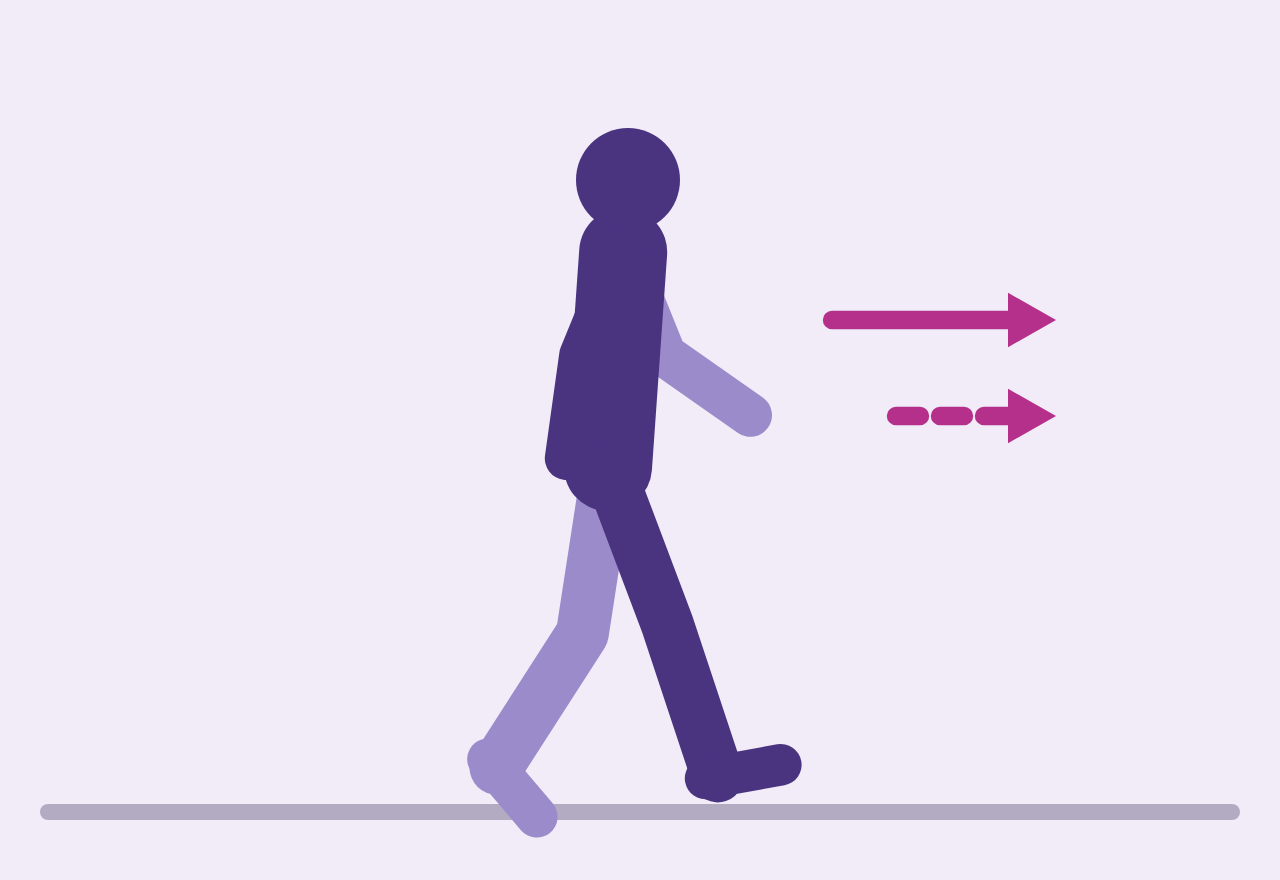
WalkingStart with what you can manage, even a few minutes at a time. Add a little each week.Most days; build to at least 30 minutes, 5 times a week
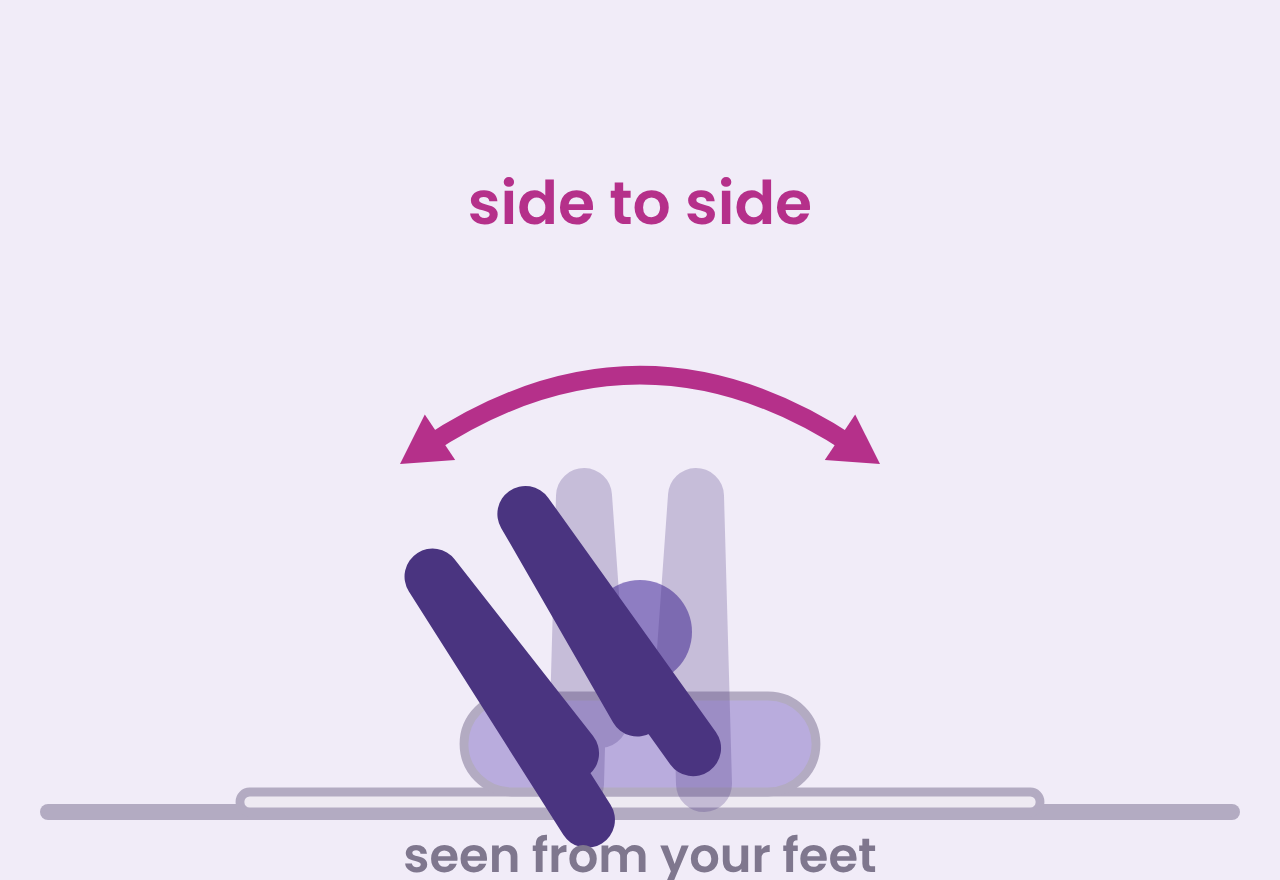
Knee rocksLie on your back, knees bent, and gently let both knees fall to one side then the other. Start small; make the movement bigger as it eases.A few each side to start, adding more as it eases. Once a day
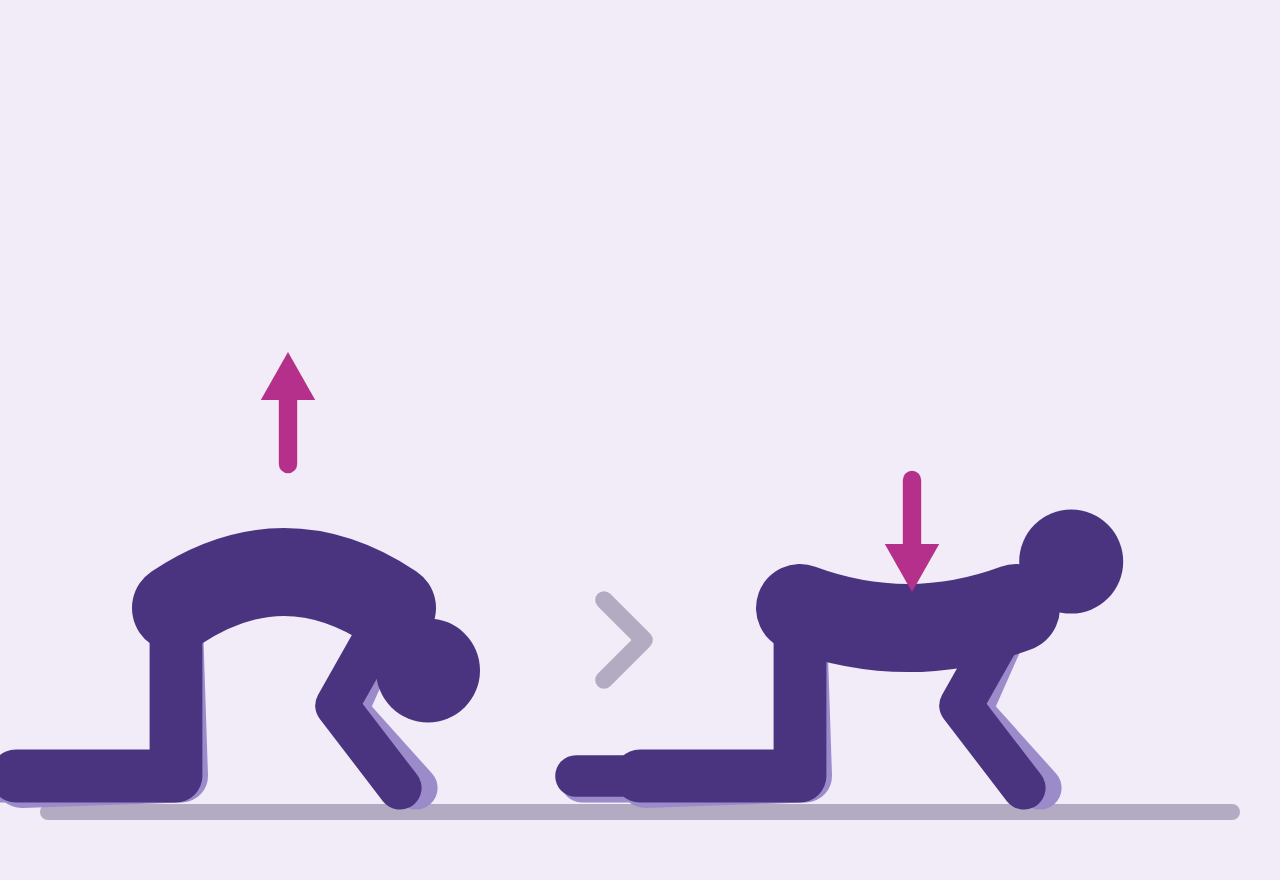
Cat and camelOn hands and knees, slowly round your back up, then let it sag gently. Move within comfort; go further as it loosens.A few slow repeats to start, adding more as it eases. Once a day
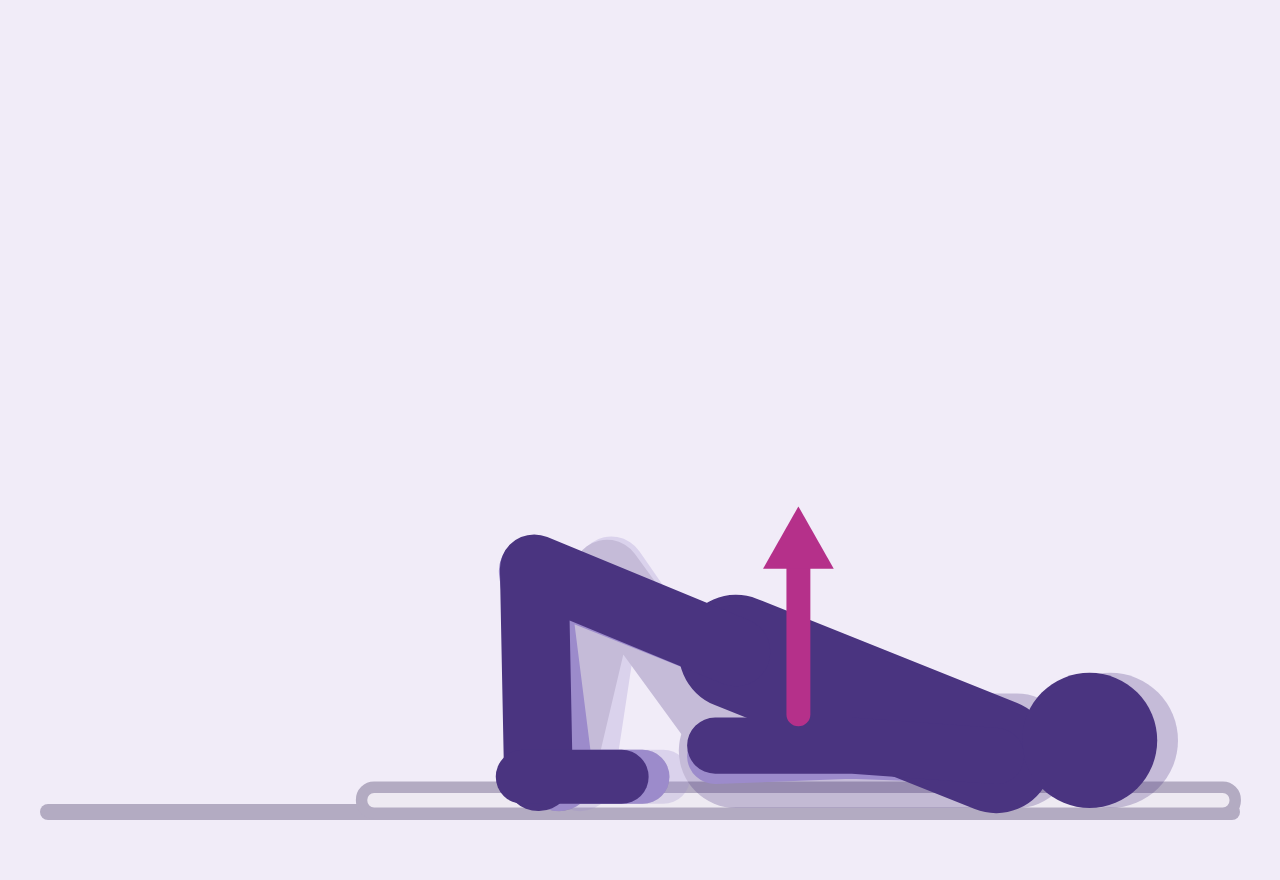
BridgeLie on your back, knees bent, and lift your hips by squeezing your bottom. Start with small lifts; progress to higher lifts and short holds.A few to start, building up gradually. Once a day
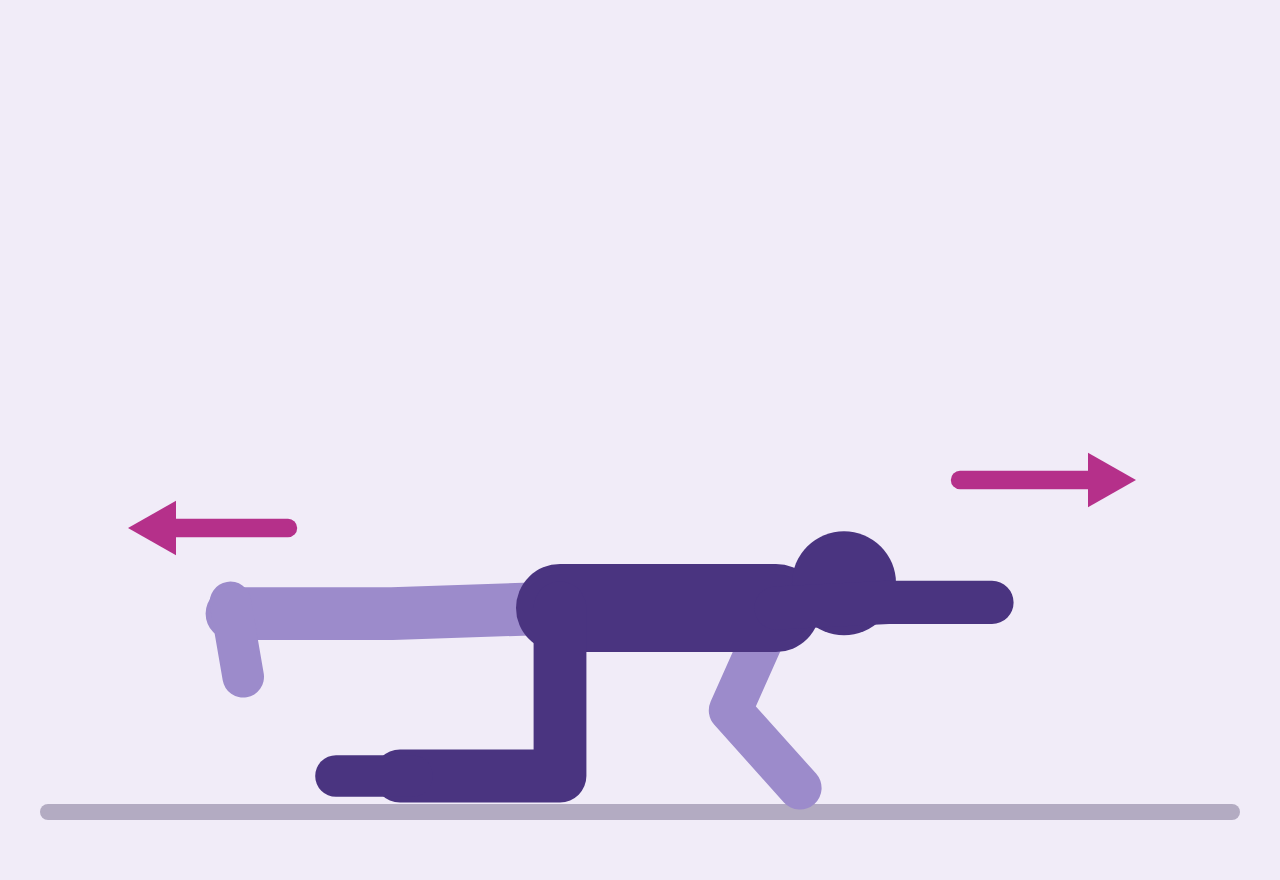
Bird dogOn hands and knees, reach one arm forward and the opposite leg back, then swap. Start with just a leg or just an arm; progress to both.A few each side to start, building up gradually. Once a day
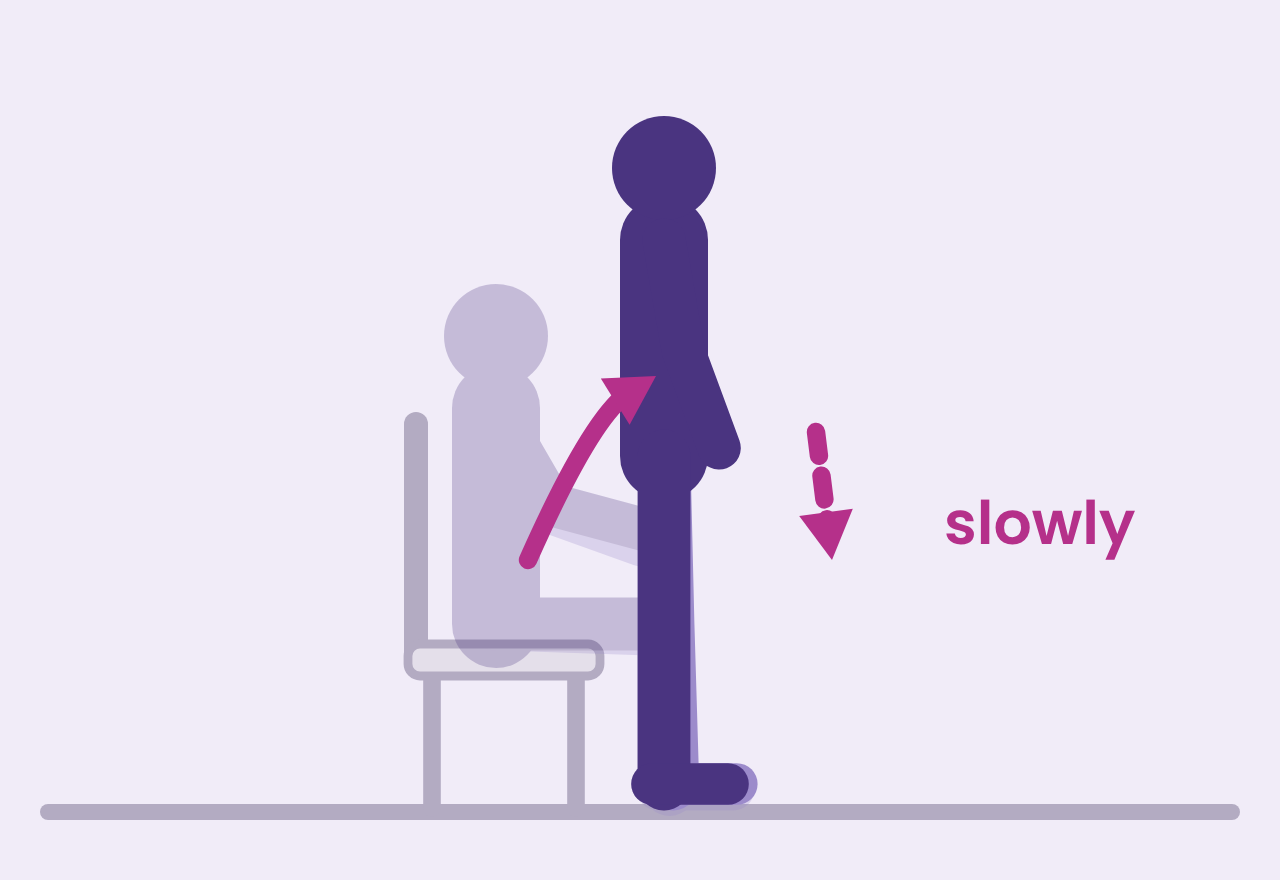
Sit to standStand up from a chair and sit back down with control. Progress to a lower chair or holding a weight.A few to start, building up gradually. Once a day
Pick what you’ll keep doing: knee rocks and cat and camel are gentle lower back stretches for stiff days; our lower back stretches handout has eight more. All types of exercise (walking, strength, stretching, yoga, Pilates) help about the same, so choose the ones you enjoy. Bed rest slows recovery: stay as active as you can.
Stop and see your GP or physio if
New numbness around your bottom or genitals, or trouble passing urine or controlling your bowels: go to an emergency department now
Leg weakness or foot drop that is getting worse
Fever, unexplained weight loss, a history of cancer, or pain after a significant fall
Severe pain at night that doesn’t ease with any position
No improvement after 4–6 weeks
Want a supervised program?
A physio or exercise physiologist can build a graded activity program and help you get back to the things you’ve been avoiding. Group exercise classes are a good option. For ongoing pain, programs that combine exercise with a psychological approach (such as cognitive behavioural therapy) can help when other treatment hasn’t. If you have a chronic condition, ask your GP about a GP Chronic Condition Management Plan (GPCCMP): it gives a Medicare rebate for up to 5 allied health visits a year (physio, exercise physiologist or podiatrist).
Common questions
What is the single best exercise for lower back pain?
There isn’t one. The Cochrane review found no type of exercise clearly beats the others, so the best one is the one you’ll keep doing. Walking is a good place to start.
Do stretches help lower back pain?
Gentle stretches can ease stiffness and help you move more, but on their own they’re not a cure. Stretching, strength work, walking, yoga and Pilates all help by modest amounts, so mix in what you enjoy.
Is walking good for lower back pain?
Yes. In the Australian WalkBack trial, people who built up a walking program after recovering went a median of 208 days before their next bout of back pain, versus 112 days without it.
Should I rest when my lower back hurts?
No. Bed rest slows recovery. Stay as active as you can, even if it hurts a bit: pain doesn’t mean damage.
How long does lower back pain take to get better?
New back pain usually improves a lot within a few weeks. It often comes back, which is why staying active and walking after you recover is worth it.
Updated 29 October 2026. General education, not personal medical advice. Everyone is different, so check with your GP or physio if you’re unsure an exercise suits you.