Pain around or behind the kneecap loves stairs, squats and long sits at the movies. The fix is stronger hips and thighs, built up gradually.
Quick answer: Kneecap (patellofemoral) pain improves with stronger hips and thighs, built up gradually: clams and side-steps with a band, bridges, knee straightening, squats and step-downs. Most people improve within 6–12 weeks of regular exercise. Keep pain mild and settled by the next day. See your GP if your knee swells, locks or gives way.
How to use this
Pain rules: mild pain during exercise is OK if it settles soon after and isn’t worse the next day. If it is, go less deep or do fewer reps next time.
How often: 3 times a week.
How many: build up to 3 sets of 30 for each exercise, as your knee allows. Higher-rep programs seem to work best.
Progress when: the reps feel easy: go a bit deeper, slower, add a band, or move to one leg.
How long: benefits from this type of exercise can last for years. Keep a few favourites going once you’re better.
Based on: the US physiotherapy patellofemoral pain guideline (JOSPT 2019) and the international patellofemoral pain consensus (BJSM 2016), which both favour combined hip and knee exercise.
Your exercises
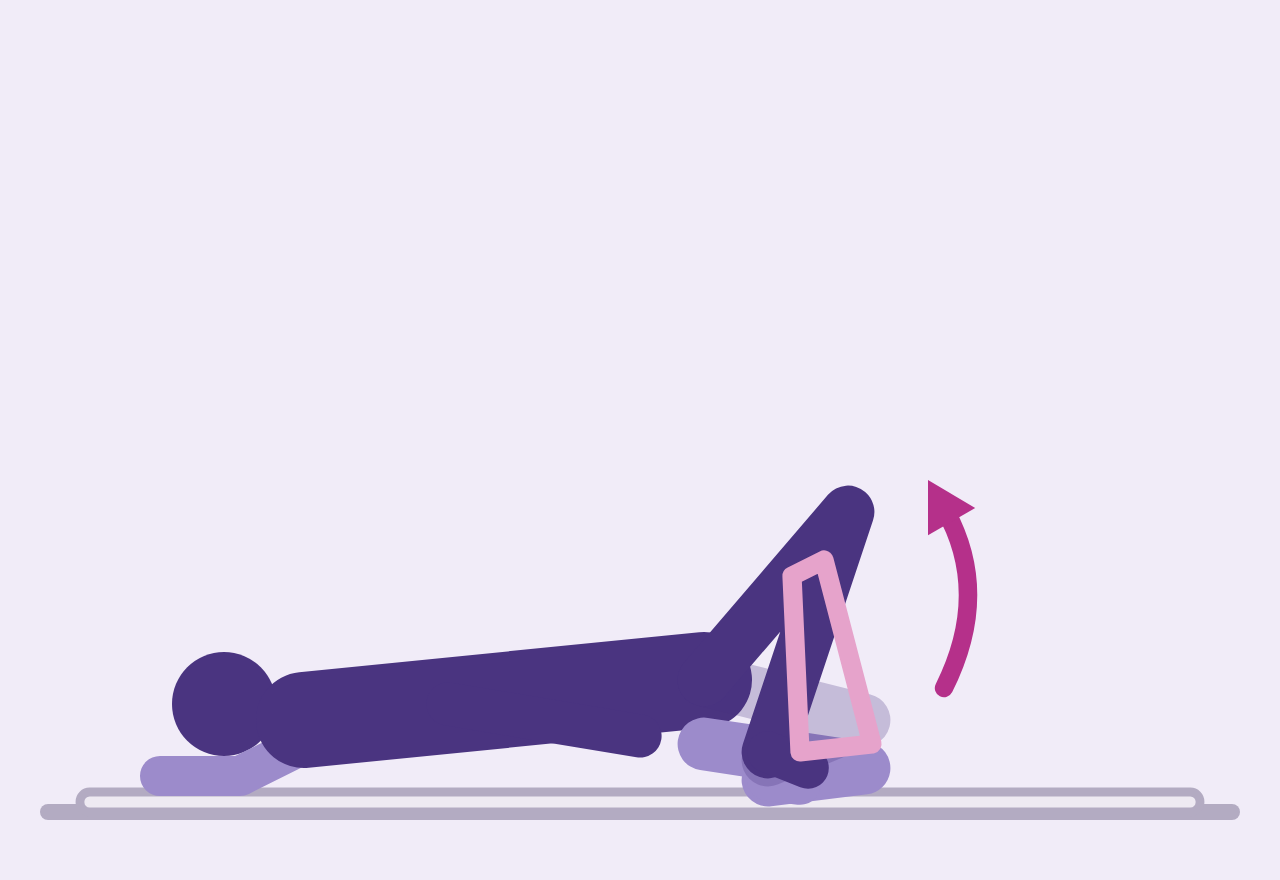
Clams with bandLie on your side, knees bent, band just above the knees. Keeping your feet together, lift the top knee, then lower slowly. Progress with a stronger band.Build to 3 × 30, 3 times a week
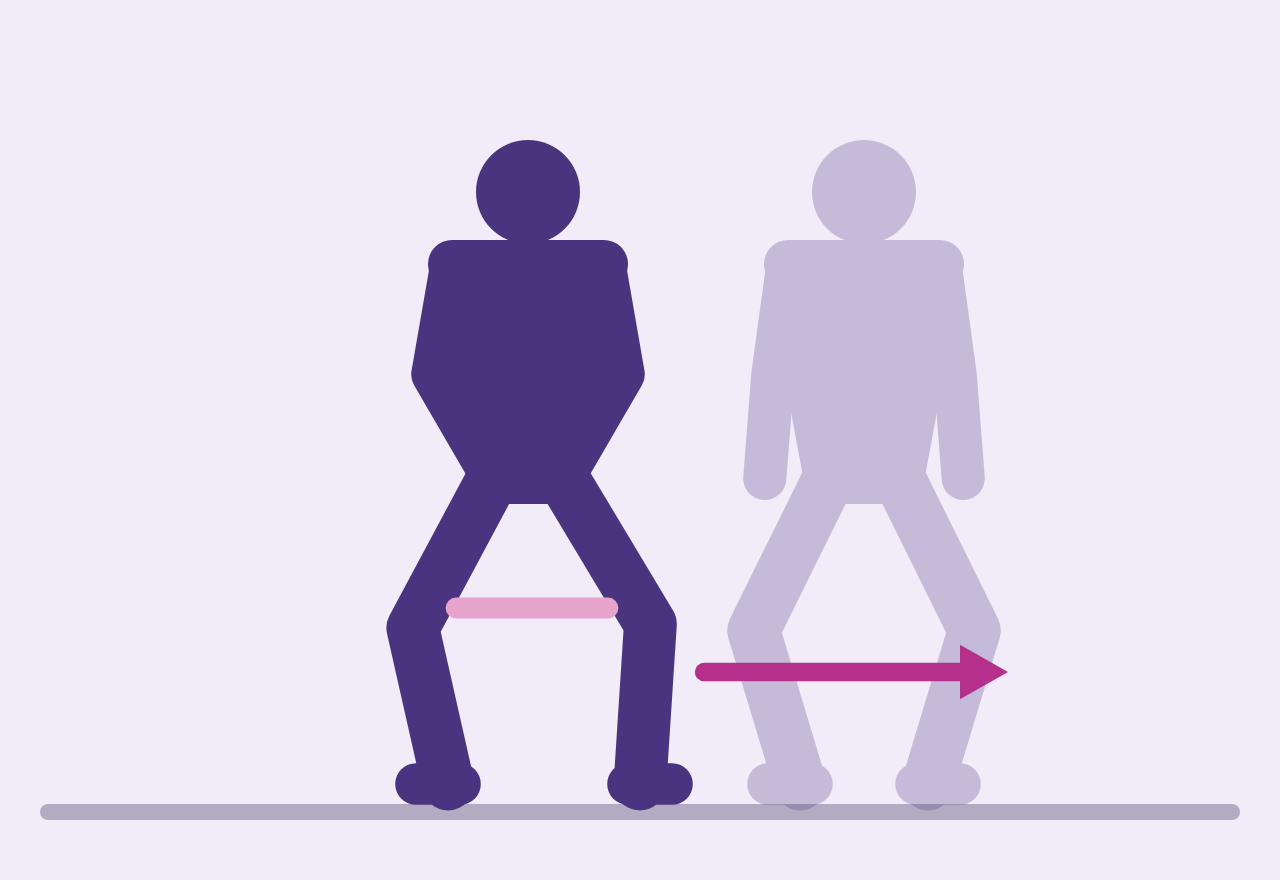
Side-steps with bandBand around your knees or ankles, knees slightly bent. Step sideways keeping your hips level and toes forward. Progress with a stronger band or a lower stance.Build to 3 × 30 steps each way, 3 times a week
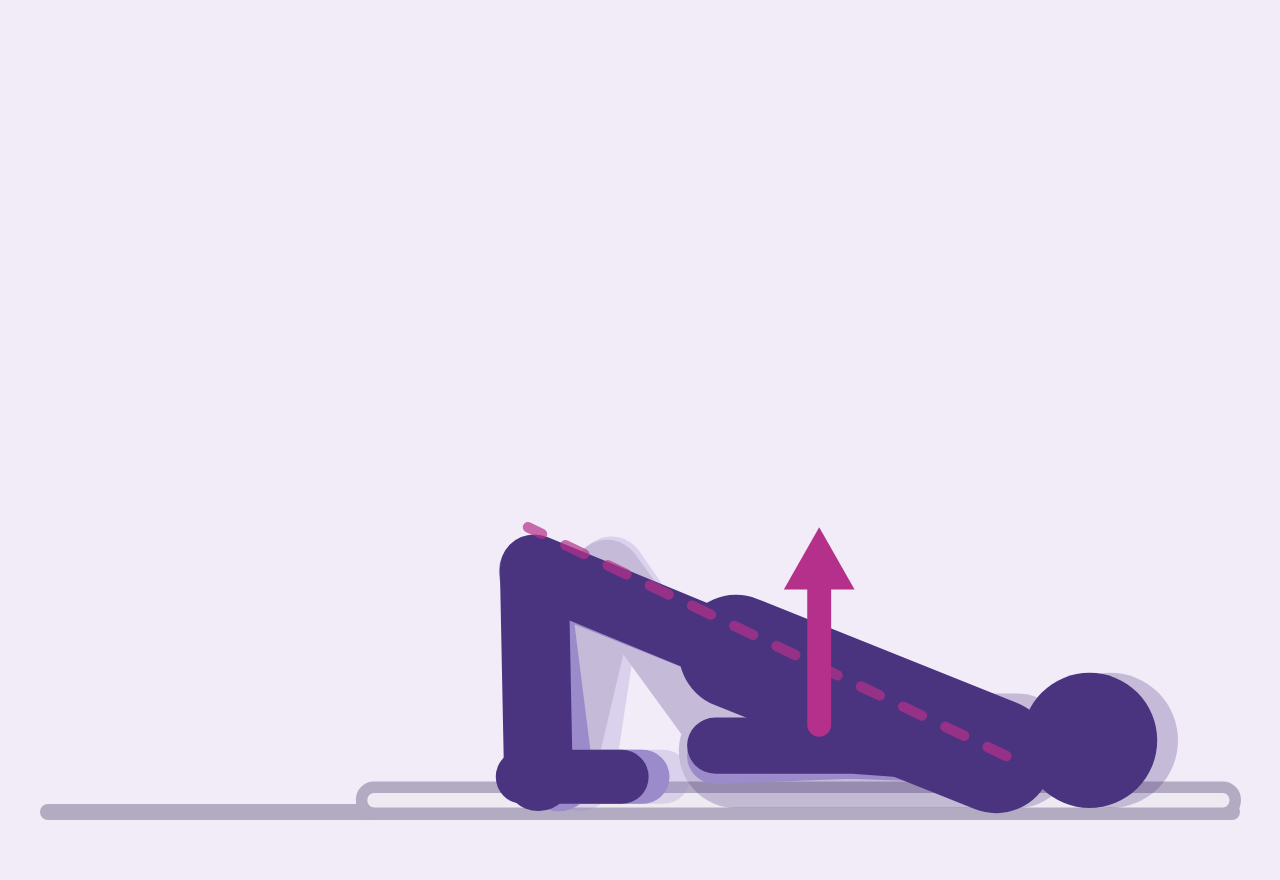
BridgesLie on your back, knees bent. Squeeze your buttocks and lift your hips until your body is in a straight line, then lower slowly. Progress to a band above the knees, or one leg.Build to 3 × 30, 3 times a week
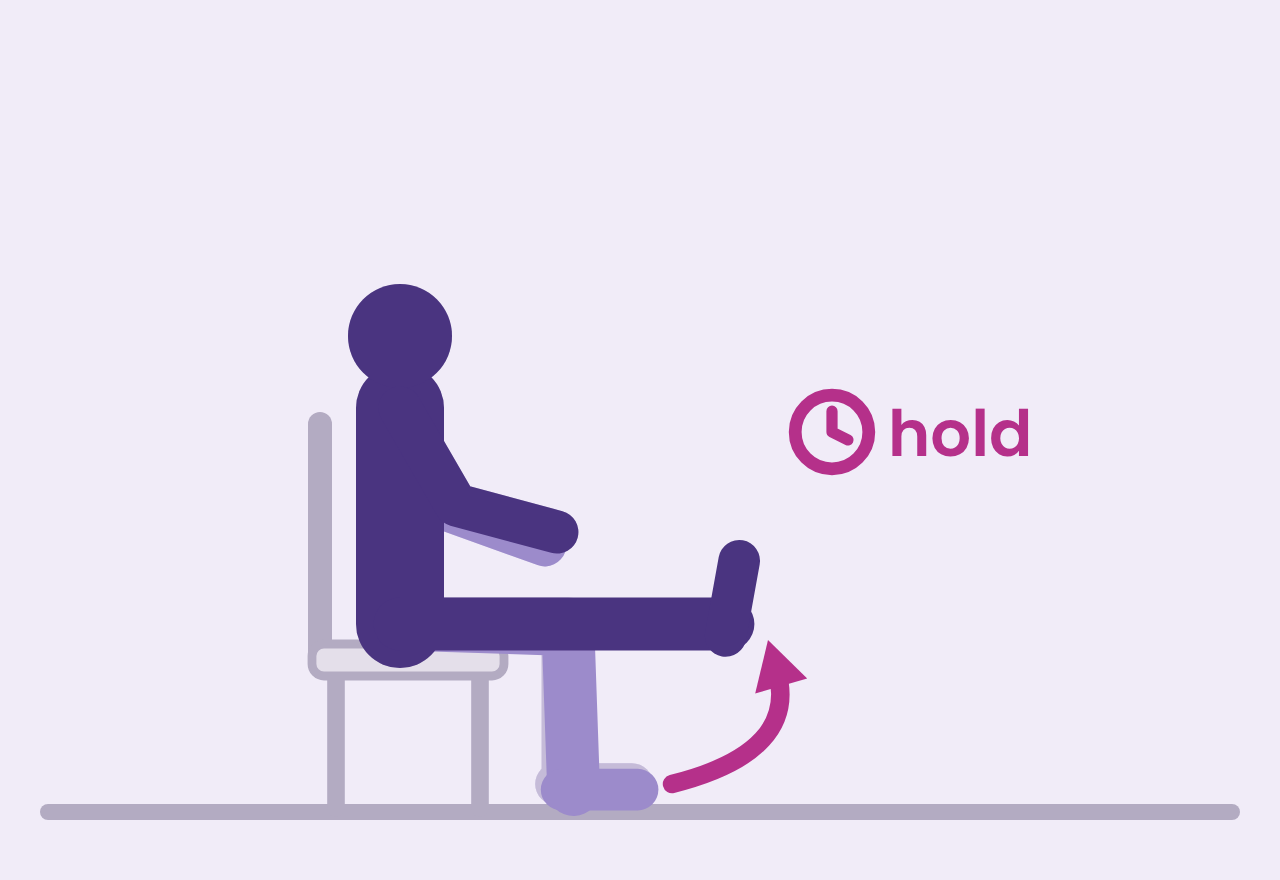
Seated knee straighteningSit tall and straighten one knee fully, hold 2 seconds, then lower slowly. Good on flare-up days. Progress with an ankle weight or band.Build to 3 × 30 each leg, 3 times a week
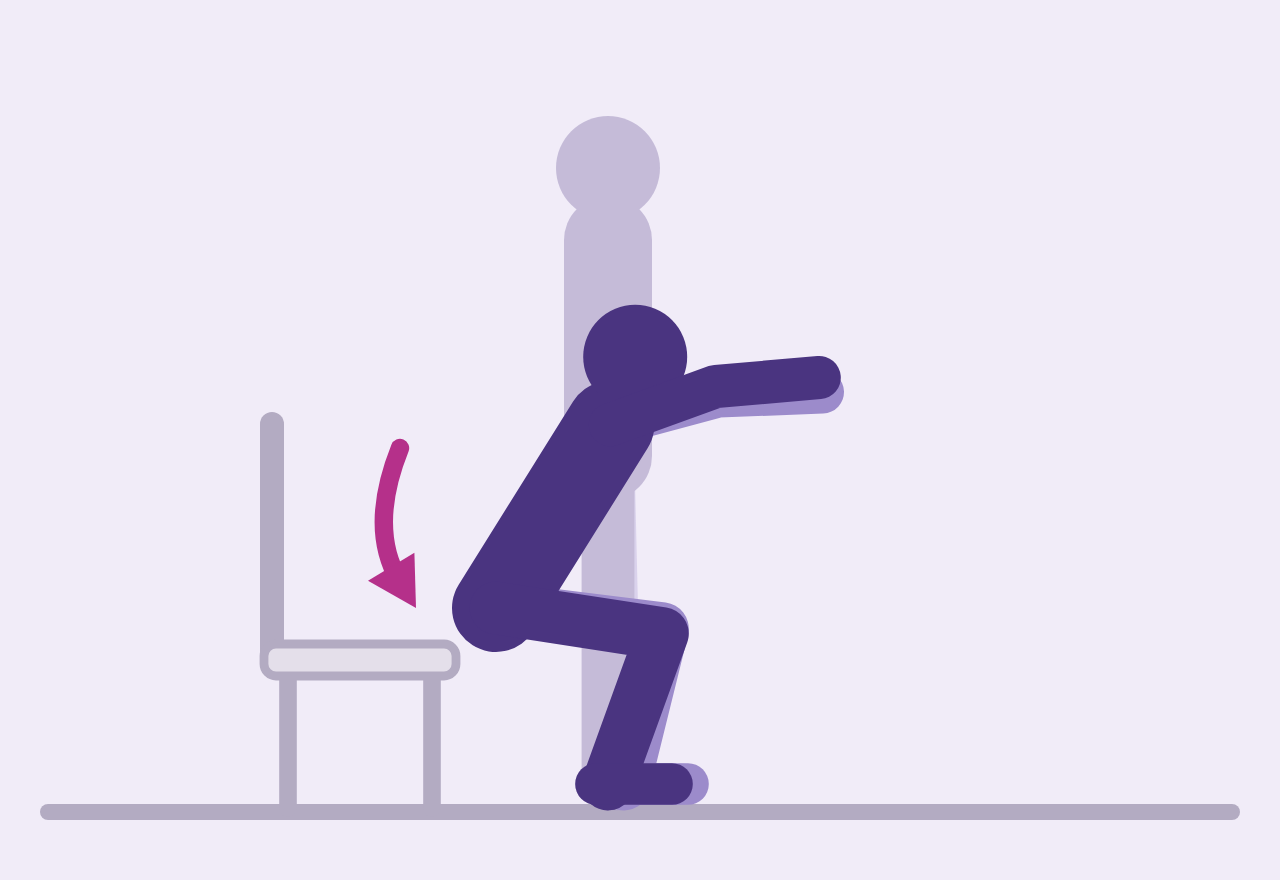
SquatsFeet hip-width apart, chair behind you. Bend as if sitting back, keeping your knees in line with your toes, then stand. Start shallow; go deeper as it settles.Build to 3 × 30, 3 times a week
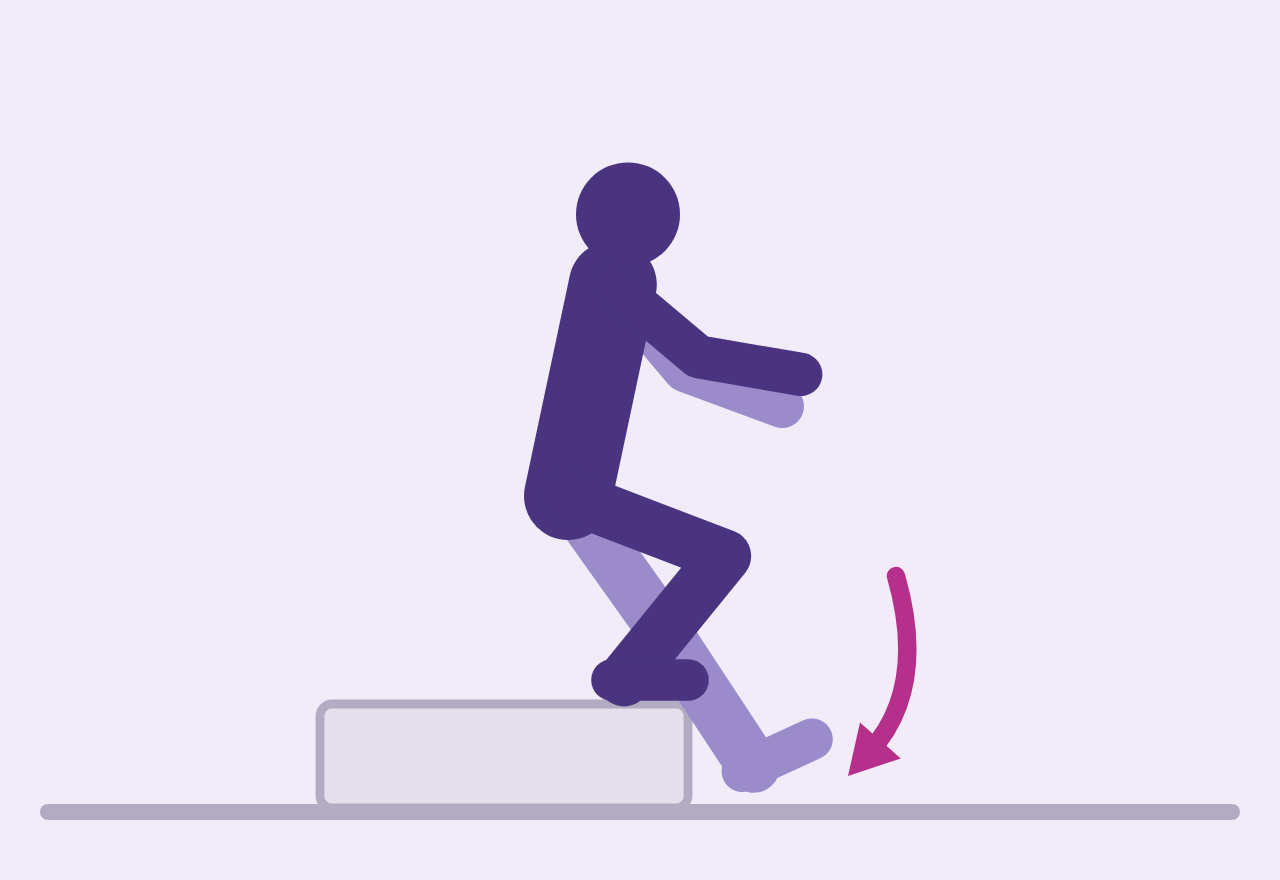
Step-downsStand on a low step on the sore leg. Slowly lower the other heel to touch the floor, keeping your knee over your second toe, then straighten. Progress to a higher step, lunges or single-leg squats.Build to 3 × 30 each leg, 3 times a week
Extras that can help: knee taping alongside exercise can ease pain in the short term (a physio can show you how). Braces and sleeves don’t seem to help. Shoe inserts may ease pain over the first 6 weeks or so in some people, and cheap off-the-shelf ones work as well as custom ones. Runners: a physio can help with tweaks such as shorter, quicker steps.
Stop and see your GP or physio if
Your knee swells, locks or gives way
The pain started with a twist, fall or injury, especially with swelling
A hot, red, swollen knee, or fever (same day)
A child or teen with knee pain plus a limp or hip pain (same day: hip problems can show up as knee pain)
Pain at night or at rest that keeps getting worse
No improvement after 3 months of regular exercise
Want a supervised program?
A physio can tailor the exercises, add taping, check shoe inserts and help runners adjust their technique. An exercise physiologist can help with gym loading. If you have a chronic condition, ask your GP about a GP Chronic Condition Management Plan (GPCCMP): it gives a Medicare rebate for up to 5 allied health visits a year (physio, exercise physiologist or podiatrist).
Common questions
What is patellofemoral pain?
Pain around or behind the kneecap, often called runner’s knee. It’s common in active teens and adults and is usually worse with stairs, squatting and long sitting.
Should I stop running with kneecap pain?
Not necessarily. Cut back to an amount that keeps pain mild and settled by the next day, then build back up as the exercises make you stronger.
Do knee braces help kneecap pain?
They don’t seem to. Taping can ease pain in the short term, and off-the-shelf shoe inserts may help some people over the first 6 weeks.
How long does kneecap pain take to get better?
Often 6–12 weeks of regular exercise, though it can linger or come back. Keep a few favourite exercises going once you’re better.
Updated 29 October 2026. General education, not personal medical advice. Everyone is different, so check with your GP or physio if you’re unsure an exercise suits you.