Your neck isn’t fragile, it’s just underworked and over-screened. A little regular strength work does more than another heat pack ever will.
Quick answer: Strengthening the neck, shoulders and upper back has the best evidence for neck pain, alongside gentle neck stretches and movement. Shoulder shrugs, rows, side raises and reverse flies all help. Most new neck pain eases within a few weeks. See your GP for numbness, tingling or weakness in your arm, or neck pain after an injury.
How to use this
Pain rules: muscle effort and mild discomfort are fine, as long as they settle within a day. Sharp pain, or pain or tingling spreading down your arm, means stop and get it checked.
How often: one 20-minute strength session, 3 times a week, plus gentle neck movement through your workday.
How long: in the study this plan is based on, office workers with neck and shoulder muscle pain had big drops in pain after 10 weeks. Keep going after that to keep the gains.
Progress when: you can finish every set with good form. Add weight in small steps (0.5–1 kg).
Based on: the US physiotherapy neck pain guideline (JOSPT 2017) and a 10-week neck and shoulder strength program tested in office workers (Andersen 2008).
Your exercises
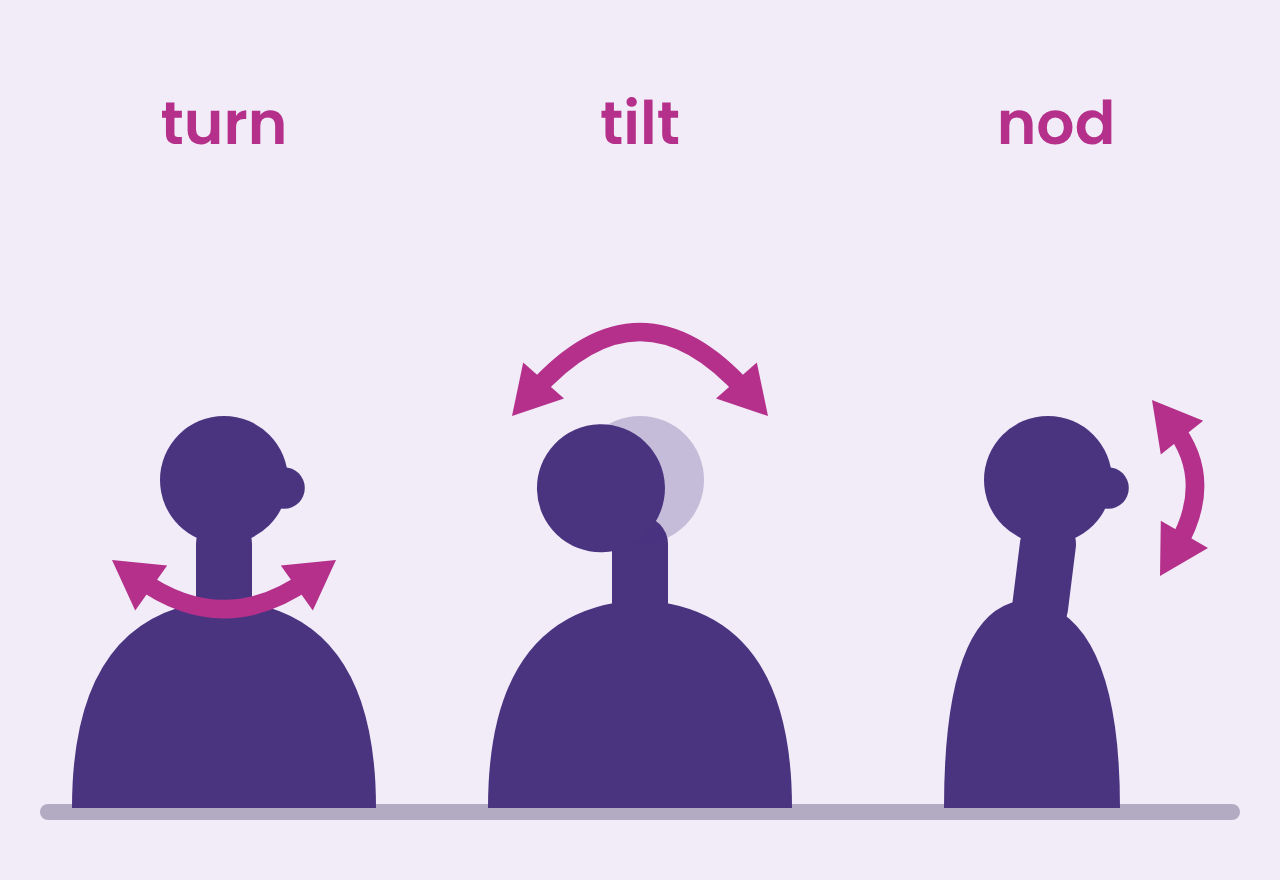
Neck movement (gentle stretches)Sitting tall, slowly turn to look over each shoulder, tilt each ear towards your shoulder, then nod your chin down and up. Move as far as is comfortable; the range usually improves week by week.5 each way, a few times through the workday
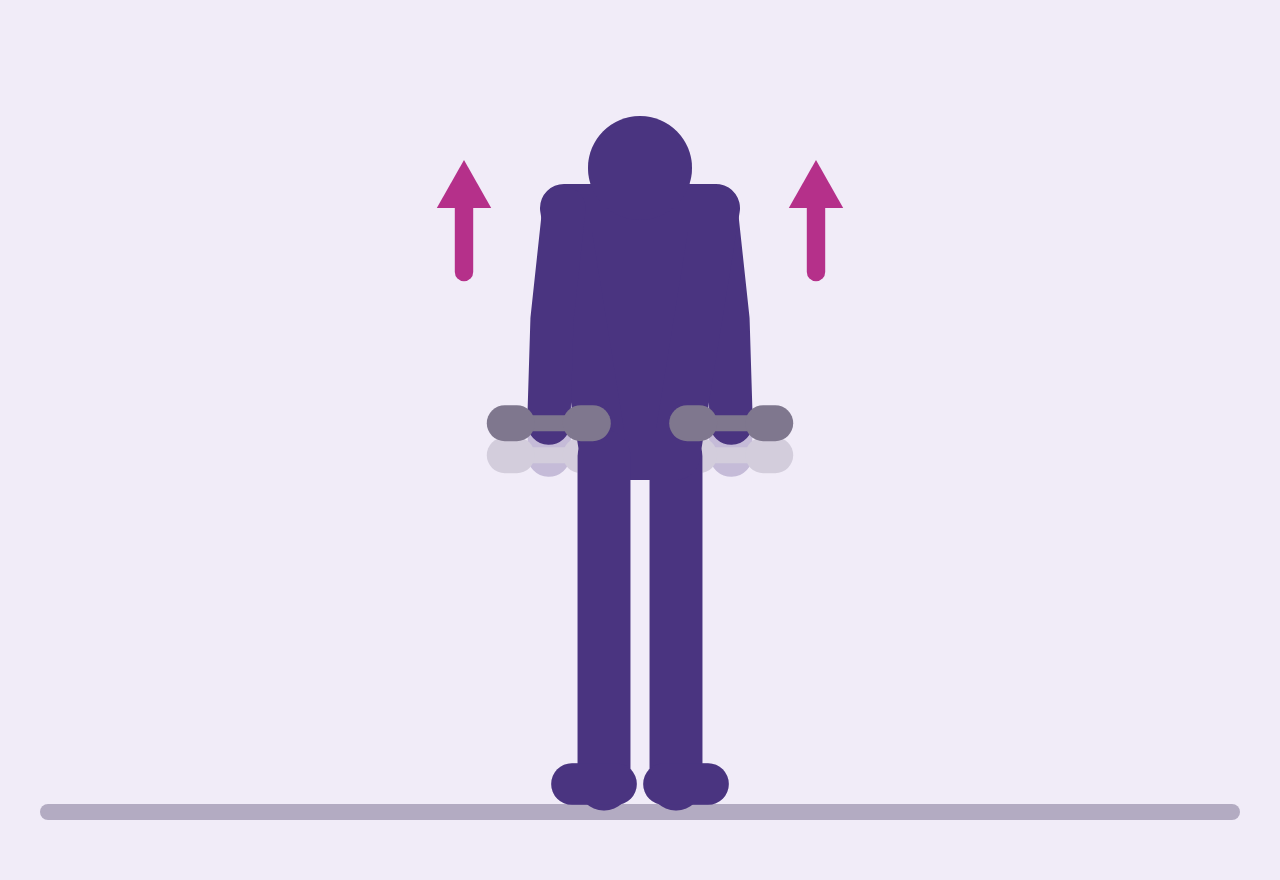
Shoulder shrugsStand tall holding a dumbbell or full water bottle in each hand. Lift your shoulders towards your ears, pause, then lower slowly. Pick a weight that feels hard by the end of each set; increase it as it gets easy.3 sets, 3 times a week
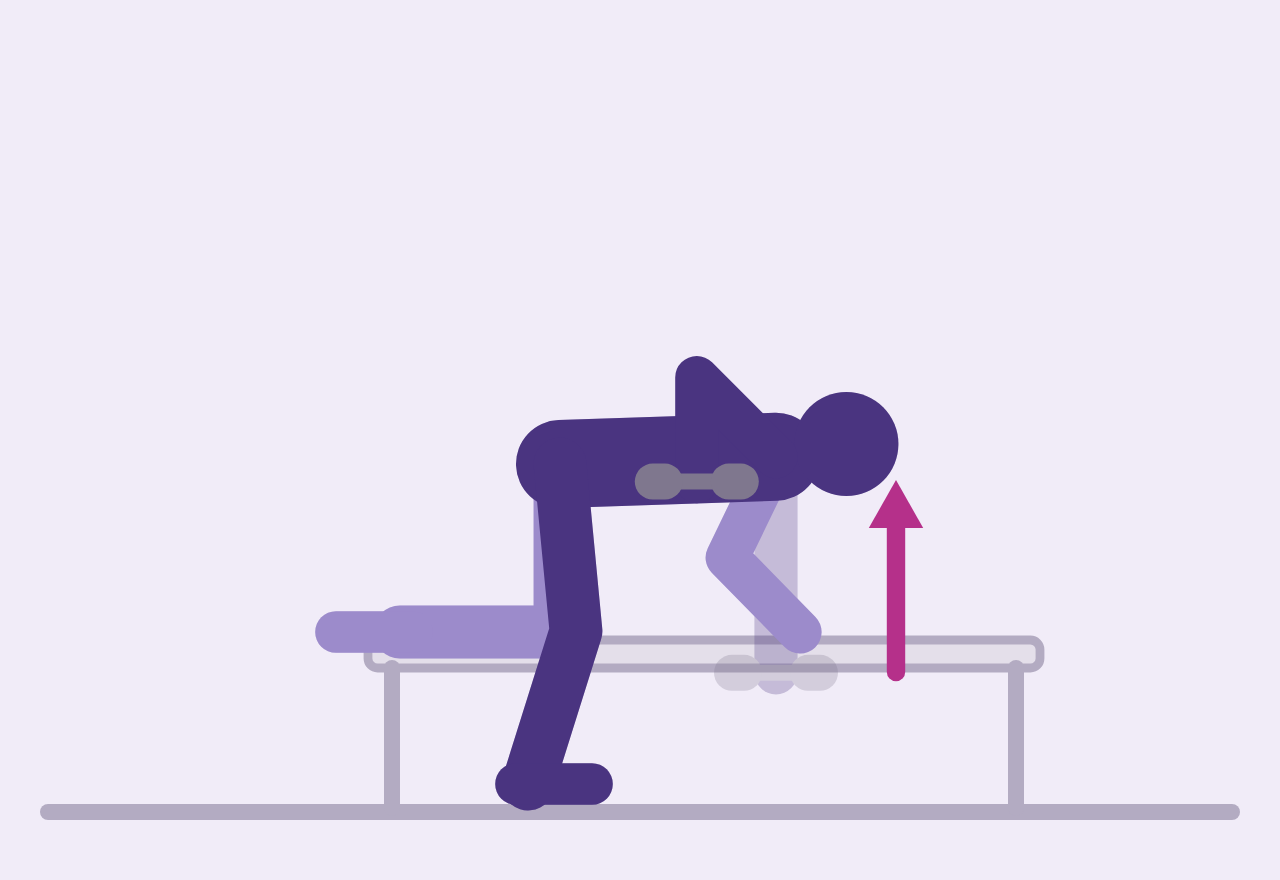
One-arm rowOne hand and knee on a bench or chair, back flat. Pull the weight up towards your lower ribs, squeezing your shoulder blade back, then lower slowly. Progress by adding weight.3 sets each arm, 3 times a week
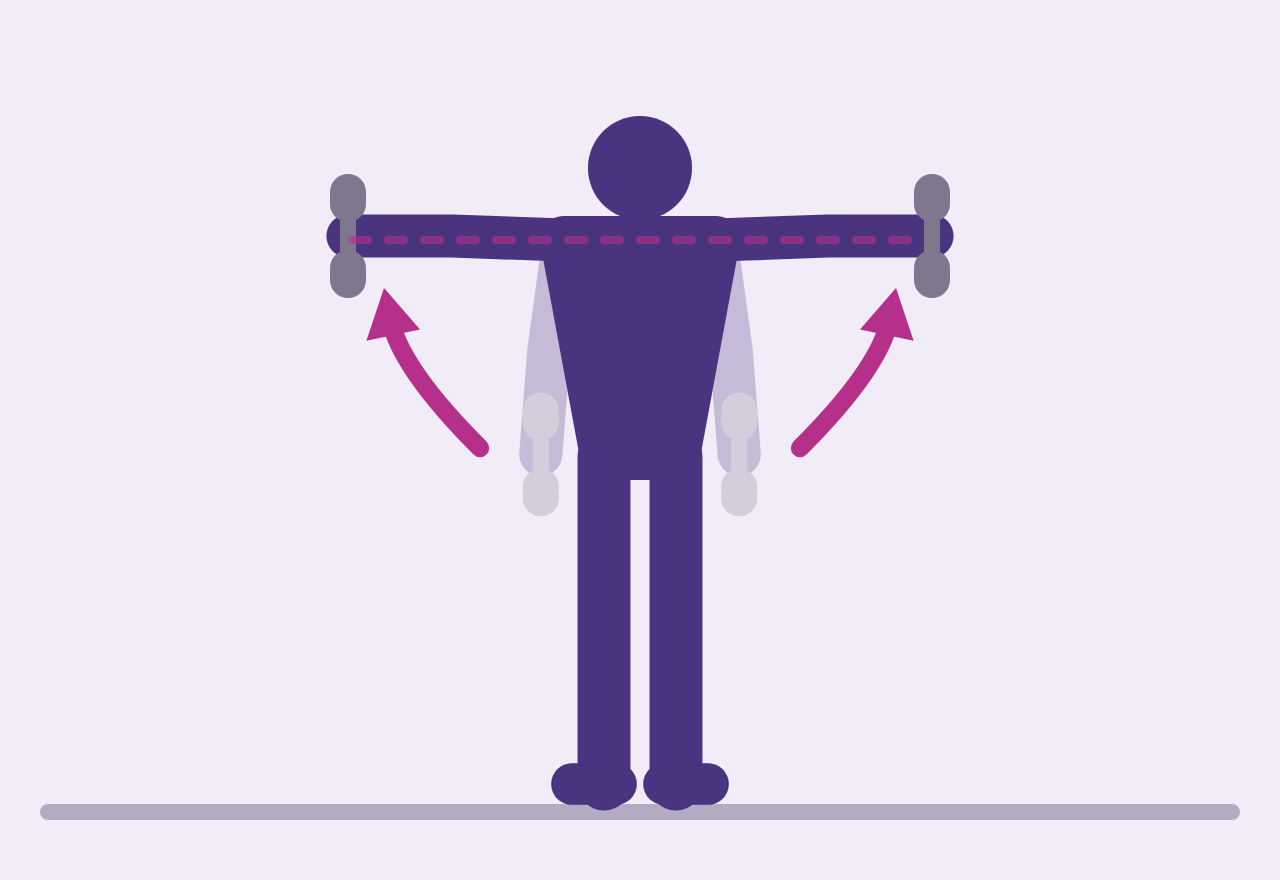
Side raiseStand with weights by your sides. Raise your arms out to the side to shoulder height (no higher), then lower slowly. Start light; this one is harder than it looks.3 sets, 3 times a week
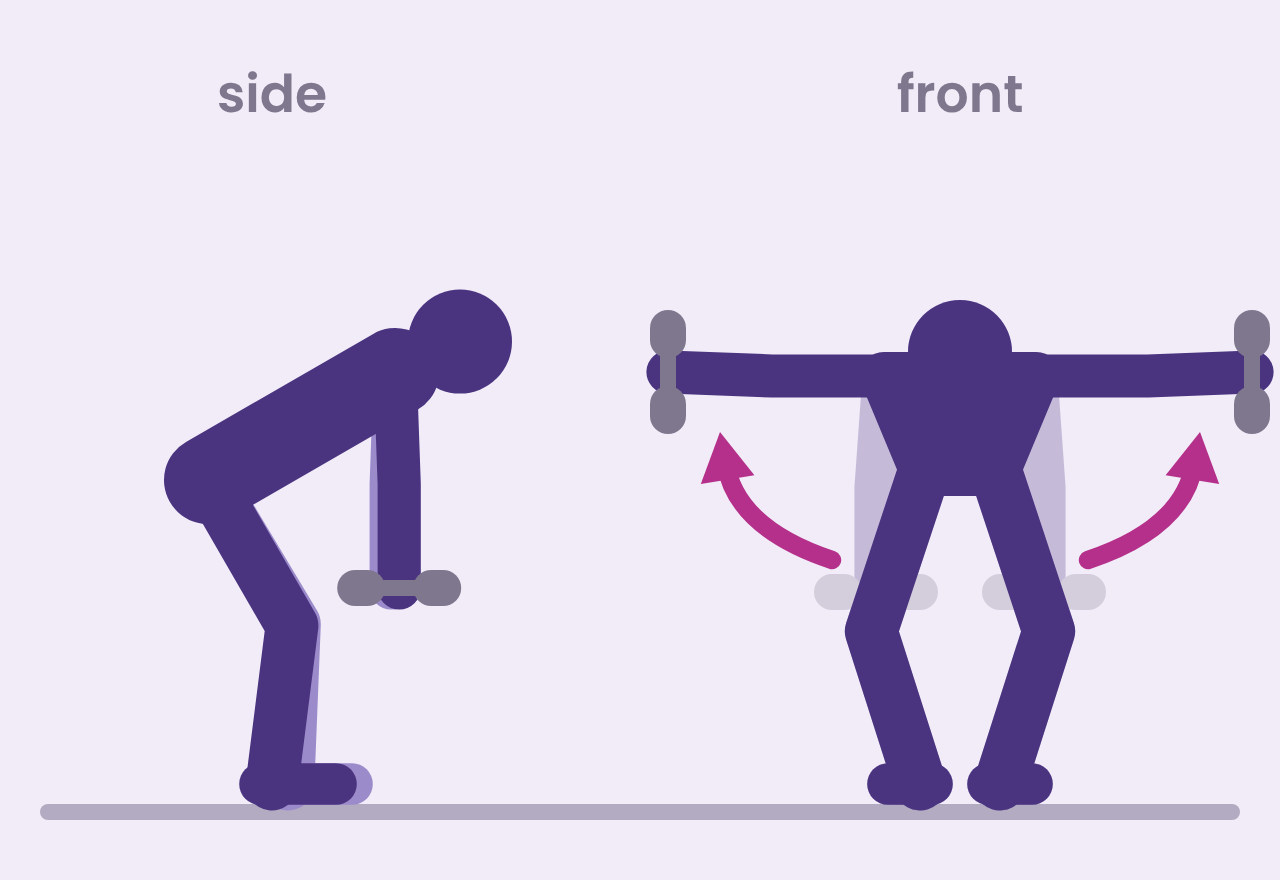
Reverse flyLean forward from the hips with a flat back, arms hanging down. Raise your arms out to the sides, squeezing your shoulder blades together, then lower slowly. Progress by adding weight.3 sets, 3 times a week
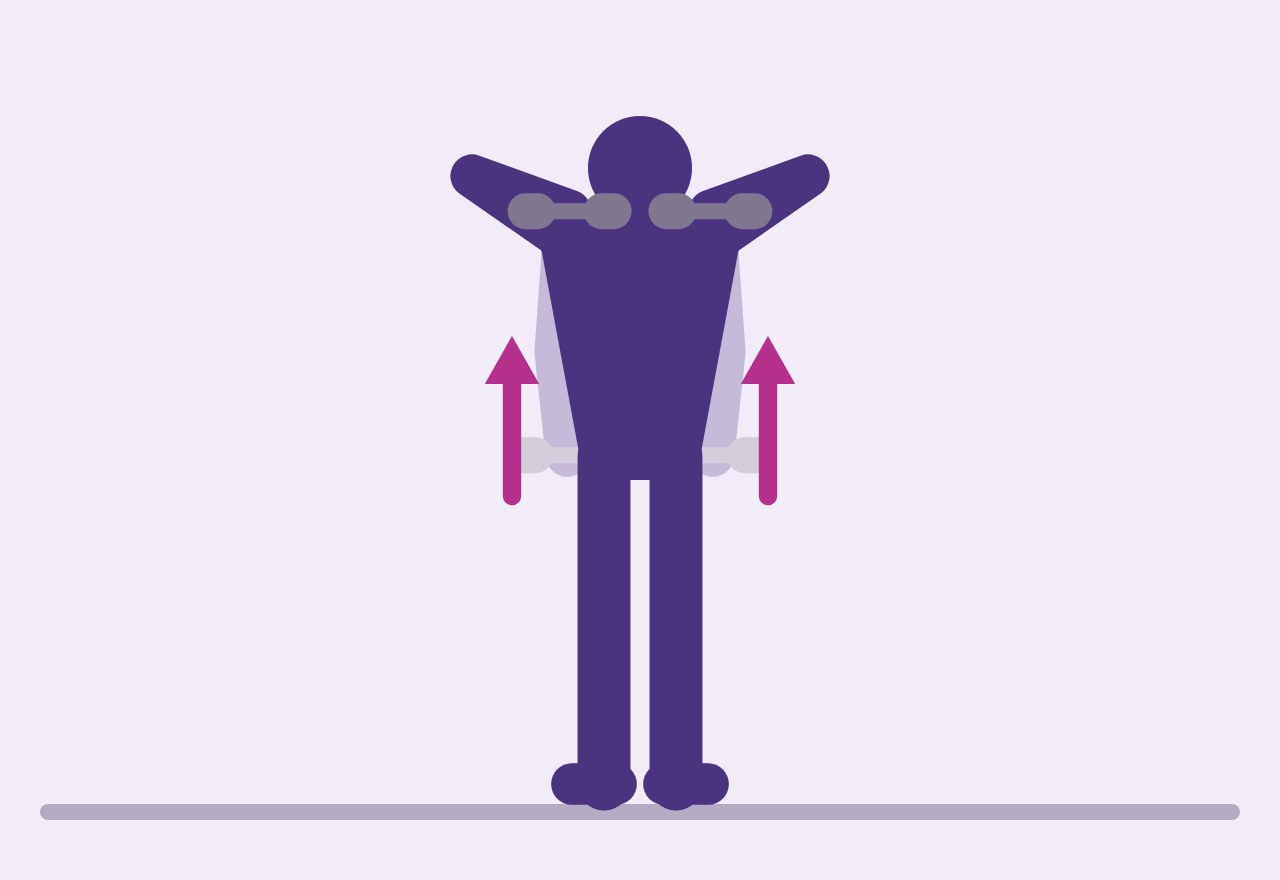
Upright rowHold the weights in front of your thighs. Pull them up close to your body to chest height, leading with your elbows, then lower slowly. Skip this one if it pinches the front of your shoulder.3 sets, 3 times a week
Desk tips: there’s no single perfect posture, so change position often and get up for a short walk regularly. Set your screen at eye height and keep your keyboard and mouse close. Do the strength exercises in one block (they take about 20 minutes), not scattered through the day.
Stop and see your GP or physio if
Numbness, tingling or weakness in your arm or hand
Clumsy hands, or new problems with balance or walking
Neck pain after a fall, car accident or other injury (same day)
Severe headache, dizziness, double vision, or trouble speaking or swallowing (call 000)
Fever, feeling unwell, unexplained weight loss, or a past history of cancer
Pain that’s constant, worse at night, or not improving after 10 weeks of regular exercise
Want a supervised program?
A physio can check your neck, add hands-on treatment where it helps, and adjust your program. An exercise physiologist can help with the strength work and your workstation. If you have a chronic condition, ask your GP about a GP Chronic Condition Management Plan (GPCCMP): it gives a Medicare rebate for up to 5 allied health visits a year (physio, exercise physiologist or podiatrist).
Common questions
What are the best exercises for neck pain?
Strengthening the neck, shoulders and upper back has the best evidence, alongside gentle neck movement. In a Danish study of office workers, 10 weeks of this kind of strength training cut neck pain substantially.
Do neck stretches help neck pain?
Gentle stretches and neck movement can ease stiffness and keep you moving through a desk day. For lasting relief, combine them with the strength exercises.
Is bad posture causing my neck pain?
Probably not on its own. There’s no single correct posture: changing position often and taking short movement breaks matters more than sitting perfectly.
How long does neck pain take to go away?
Most new neck pain eases within a few weeks, but it often comes back. Regular strength work helps keep it away. See your GP sooner if you have arm numbness, tingling or weakness.
Updated 29 October 2026. General education, not personal medical advice. Everyone is different, so check with your GP or physio if you’re unsure an exercise suits you.