Your gluteal tendons hate being squashed and love being strengthened. Stop squashing, start loading, and give it a couple of months.
Quick answer: For outer hip pain (gluteal tendinopathy), strengthen the tendons with holds, bridges, squats and side-steps, and avoid squashing them with stretches that pull your leg across your body or by lying on the sore side. In a trial, exercise beat a cortisone injection at 8 weeks. See your GP if there’s no improvement after 3 months.
How to use this
Pain rules: everyday movement and the lighter exercises shouldn’t increase your outer hip pain. During harder strength work, pain up to 5/10 is OK if it eases afterwards and isn’t worse that night or the next morning.
How often: every day: 4–6 exercises, taking about 15–20 minutes.
How long: 8 weeks. In the LEAP trial, about 3 in 4 people doing this program felt better at 8 weeks, compared with about 3 in 10 who waited and about 6 in 10 who had a cortisone injection. The benefit lasted to a year.
Progress when: you’re following the week-by-week plan below and your pain isn’t building from one week to the next. Strength work should feel moderately hard to hard.
Based on: the LEAP trial education and exercise program (Mellor, BMJ 2018) and its published protocol (BMC Musculoskeletal Disorders 2016).
Your exercises
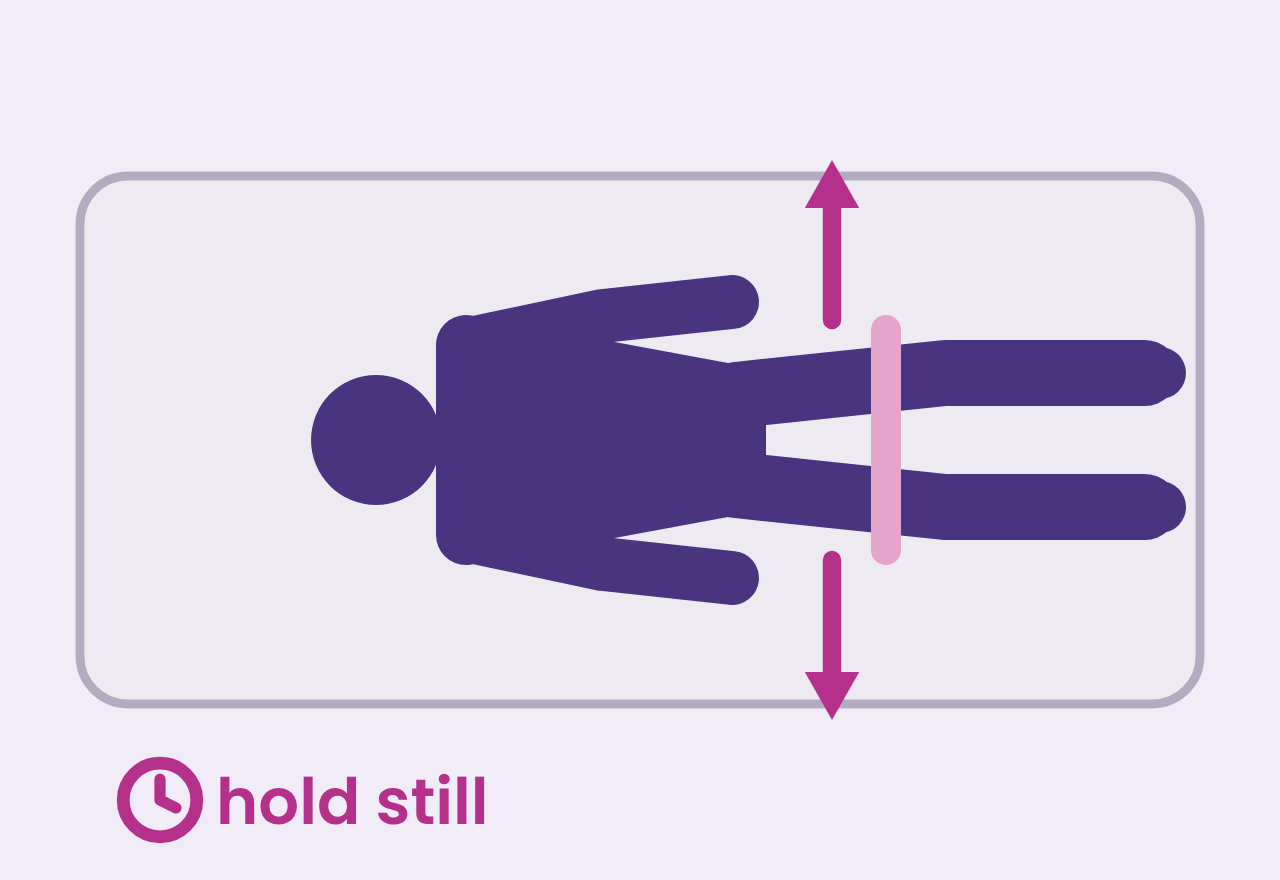
Hip push (holding still)Lie on your back, legs straight, with a belt or band around your thighs. Push your legs gently outwards against it and hold, without moving. Later, do the same push standing up.Week 1: 3–5 holds of 5–10 seconds, twice a day (standing: 5–15 seconds)
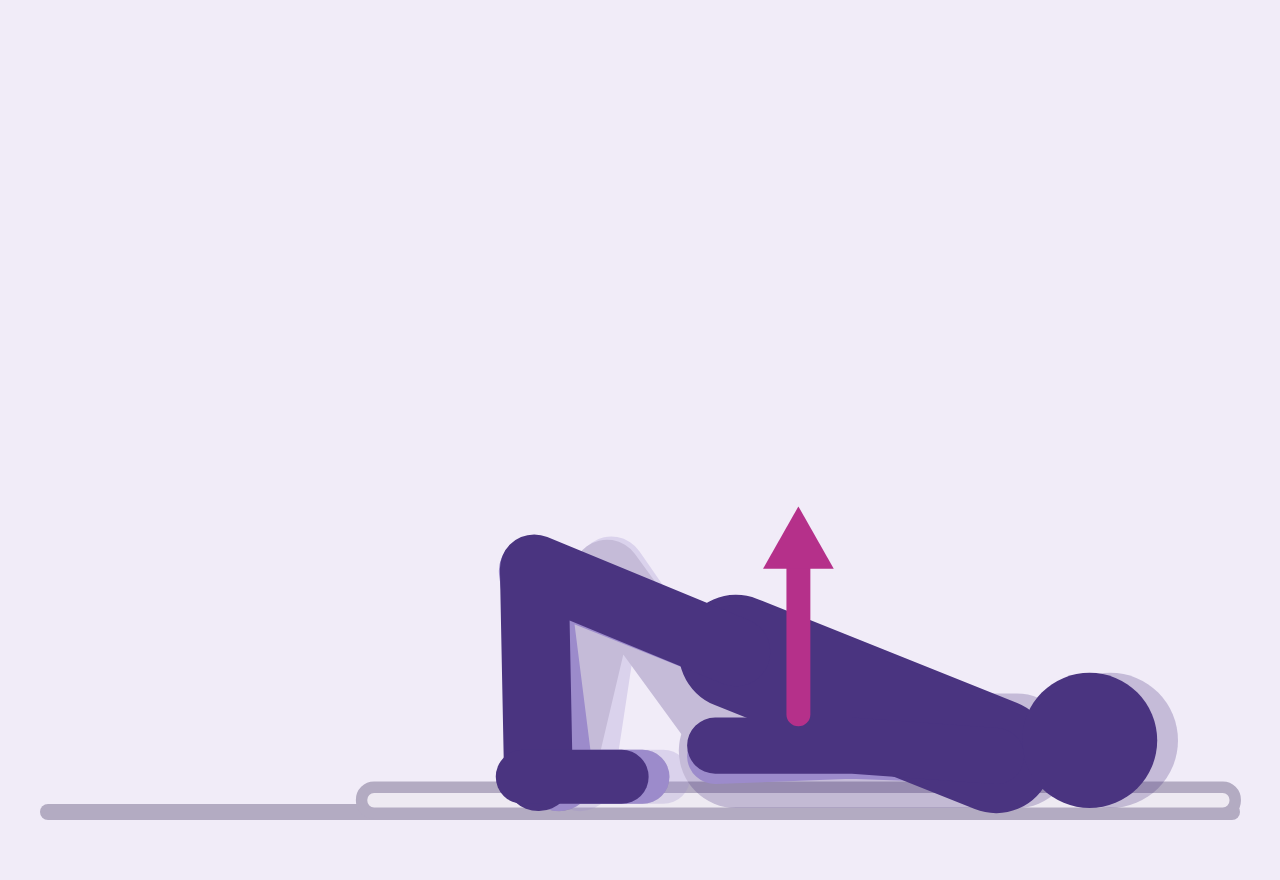
BridgeLie on your back, knees bent, feet hip-width. Lift your hips over 2 seconds and lower over 2 seconds. From week 2, shift more of your weight onto the sore leg.Week 1: 10, daily. Week 2: add 5 with weight on the sore leg. Weeks 3–8: 2 × 5–10, mostly on the sore leg, daily
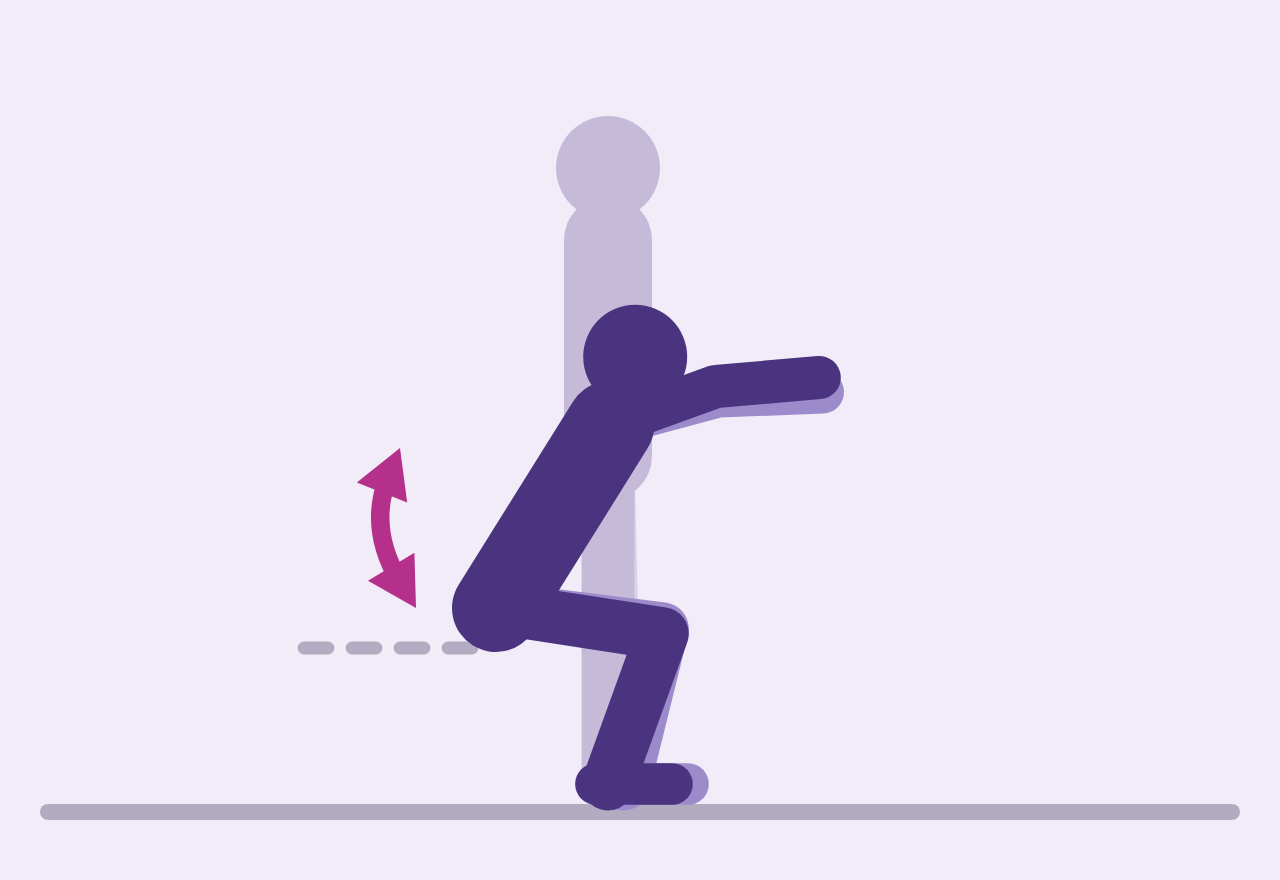
SquatFeet hip-width, slowly sit back as if into a chair (3 seconds down, 3 seconds up), keeping your knees over your toes and your pelvis level. From week 2, put more weight on the sore leg.Weeks 1–2: 10, daily. Weeks 3–8: 2 × 5–10 with more weight on the sore leg (it should feel hard), daily
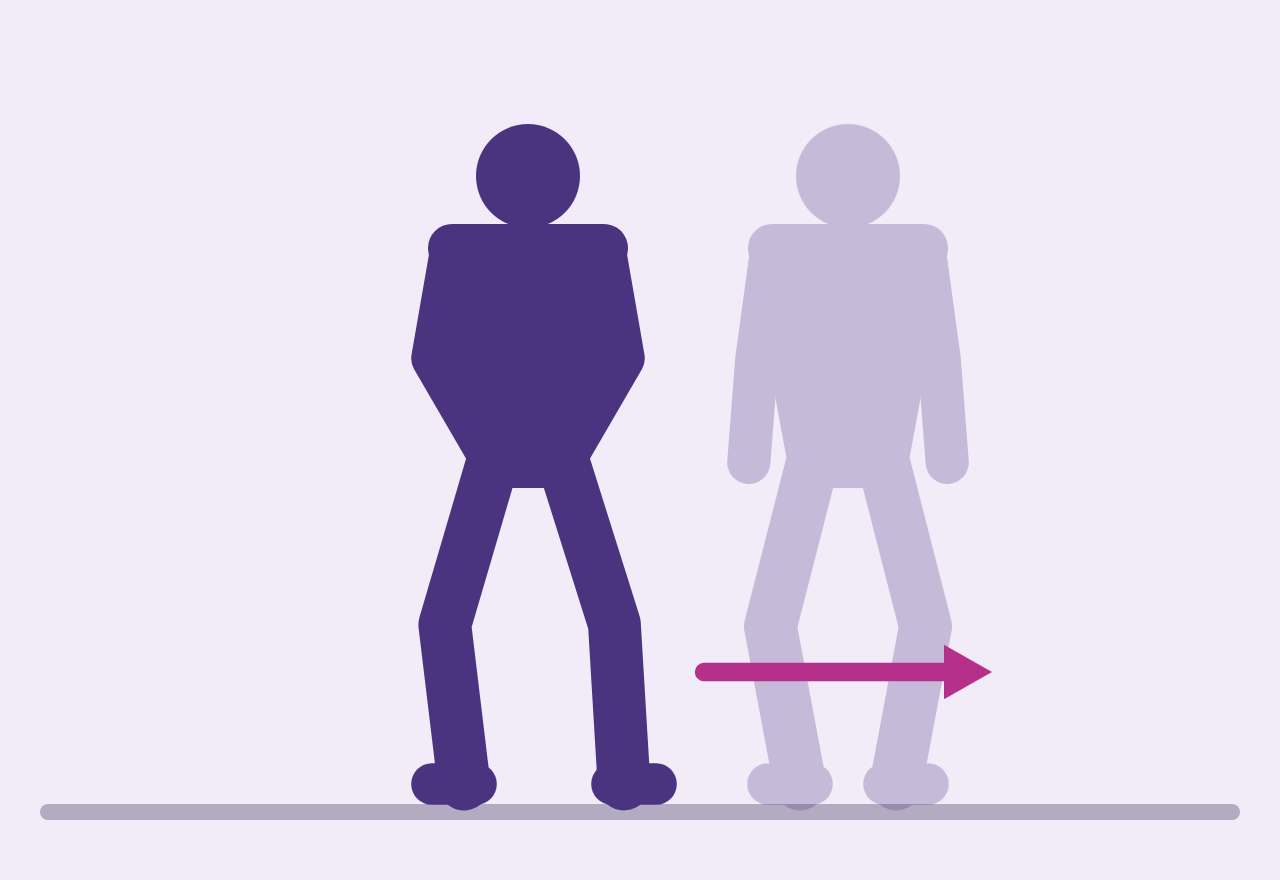
Side-stepsTake small steps sideways, keeping your pelvis level and toes pointing forward. From week 3, add a band around your thighs.Week 1: 10 each way. Week 2: 15 each way. Weeks 3–8: 10 each way, plus 1–2 × 5–10 each way with a band. Daily
Avoid squashing the tendon: the LEAP program taught people to avoid positions that pull the leg across the body. Don’t cross your legs, hang on one hip when standing, sit in low chairs, or lie on the sore side (or on the good side with the top knee dropped: put a pillow between your knees). Skip stretches that pull the leg across your body, such as ITB and piriformis stretches.
Stop and see your GP or physio if
Pain in the groin or deep in the hip joint, or a limp that is getting worse
Back pain with leg pain, numbness or weakness
Night pain that wakes you and doesn’t ease with changing position
No improvement after 3 months of regular exercise
Want a supervised program?
A physio can guide you through a LEAP-style program (education plus progressive exercise, about 14 sessions over 8 weeks), which beat a cortisone injection in the trial. If you also have hip osteoarthritis, the GLA:D program is a good supervised option. If you have a chronic condition, ask your GP about a GP Chronic Condition Management Plan (GPCCMP): it gives a Medicare rebate for up to 5 allied health visits a year (physio, exercise physiologist or podiatrist).
Common questions
Is gluteal tendinopathy the same as hip bursitis?
Mostly. Outer hip pain used to be called trochanteric bursitis, but scans show the tendons are usually the main problem. The treatment is the same: avoid squashing the tendon and strengthen it.
Is exercise better than a cortisone injection for outer hip pain?
In the LEAP trial, yes. At 8 weeks, 77% of people doing education plus exercise felt better, versus 58% after an injection and 29% who waited. At a year, exercise was still ahead of the injection.
Should I stretch for outer hip pain?
Avoid stretches that pull your leg across your body, like ITB and piriformis stretches, as they squash the tendon. Strengthening helps more.
How should I sleep with outer hip pain?
Avoid lying on the sore side. If you lie on your good side, put a pillow between your knees so the top leg doesn’t drop across.
Updated 29 October 2026. General education, not personal medical advice. Everyone is different, so check with your GP or physio if you’re unsure an exercise suits you.