Bones respond to load, even later in life. Done well and built up gradually, strength and impact training is safe, and it’s one of the best things you can do for your bones and balance.
Quick answer: Strength and impact training is safe for most people with osteoporosis when built up gradually with good technique. Squats, lifting, overhead presses, back strengtheners, heel drops and balance work all help, but walking alone isn’t enough. Avoid heavy forward bending like sit-ups. If you’ve had spine fractures, get a physio or exercise physiologist to guide you.
How to use this
Check first: if you’ve had a spine (vertebral) fracture, several fractures, or have been told your osteoporosis is severe, check with your doctor before starting and use a physio or exercise physiologist for impact and heavy lifting. With spine or several fractures, stick to lower-impact activity, such as up to 20 minutes of walking, unless your physio advises otherwise.
Pain rules: muscle effort and mild soreness afterwards are normal. Sharp or new back pain is not: stop and get checked.
How often: strength 2–3 times a week; impact most days; balance and back exercises at least 2–3 times a week. Healthy Bones Australia suggests combining them into 3 sessions a week.
How long: strength and balance improve within weeks. In the LIFTMOR trial, bone density in the spine and hip improved after 8 months of twice-weekly heavy training. Keep going for life.
Progress when: the last few reps of each set no longer feel hard (aim for about 5–8 out of 10 effort). Start with 3 sets of 8–12; as you get stronger, move to heavier weights for 2–3 sets of 5–8.
Based on: Healthy Bones Australia’s exercise prescription guide, the Royal Osteoporosis Society’s ‘Strong, Steady and Straight’ recommendations, and the Australian LIFTMOR trial (Watson, JBMR 2018).
Your exercises
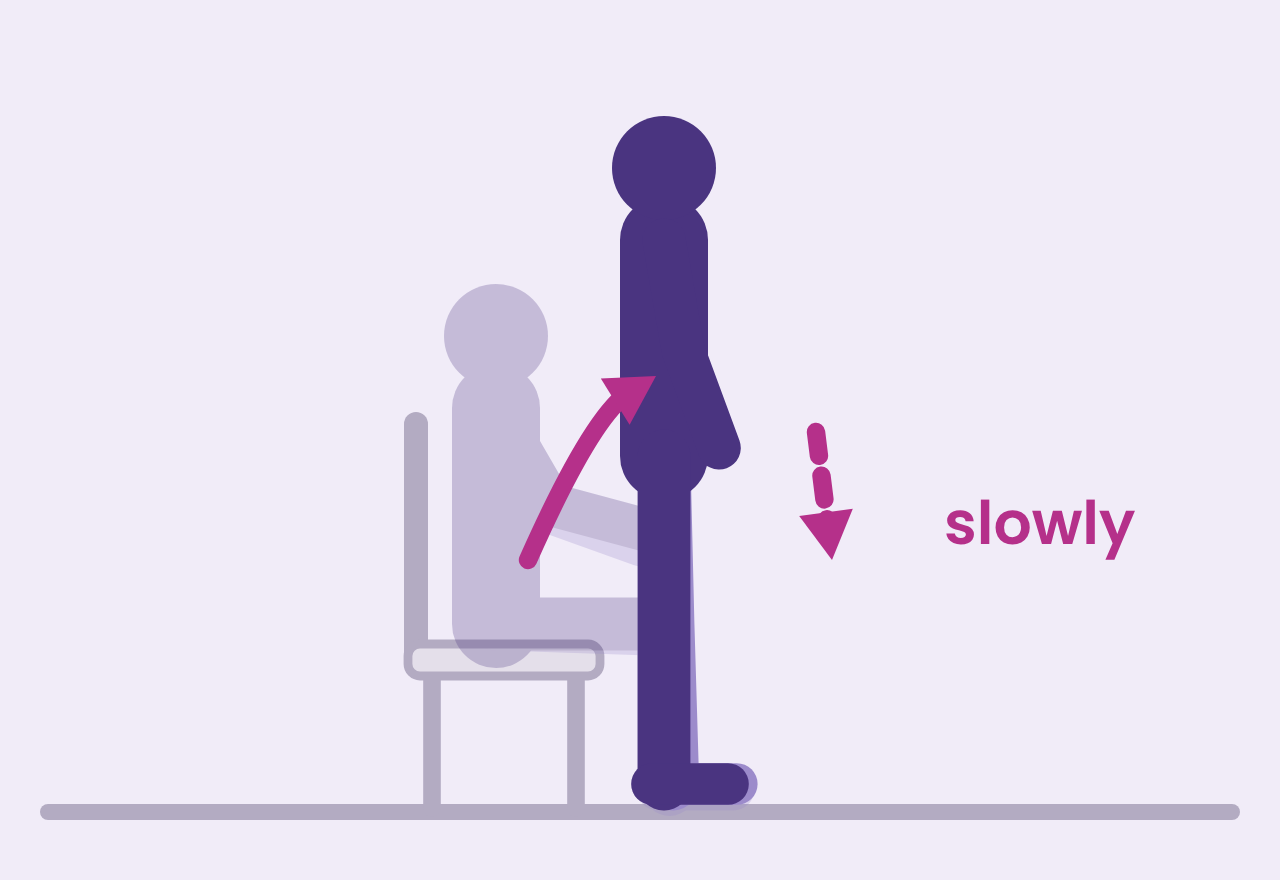
Squat or sit to standStand up from a chair and sit back slowly, chest up, back straight. Progress to no chair, then holding weights, then a supervised barbell squat.Start 3 × 8–12; build to 2–3 × 5–8, heavier. 2–3 times a week
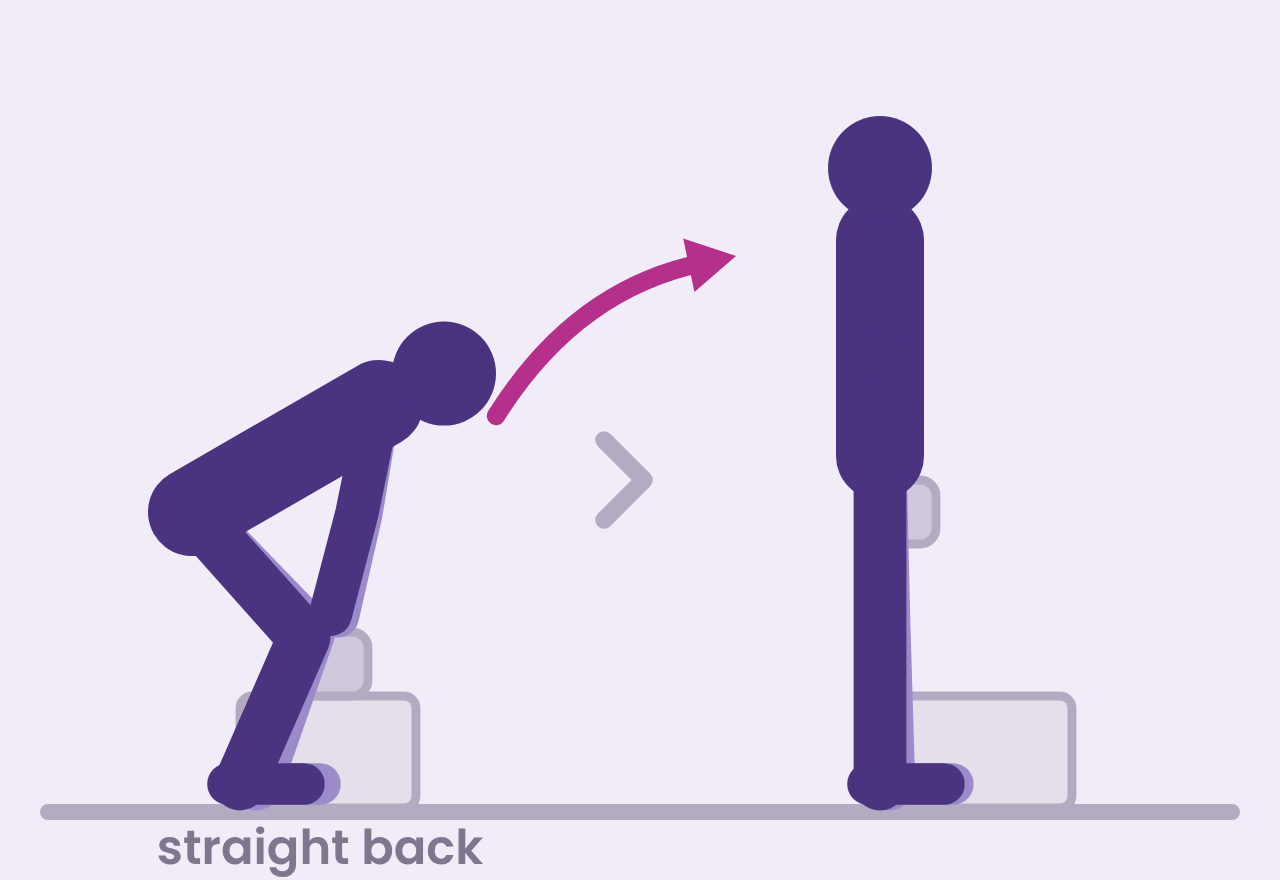
Deadlift-style liftBend from the hips with a straight back to pick up a weight from a box or bench, then stand tall. Start with a light bag; progress weight under supervision.Start 3 × 8–12; build to 2–3 × 5–8, heavier. 2–3 times a week
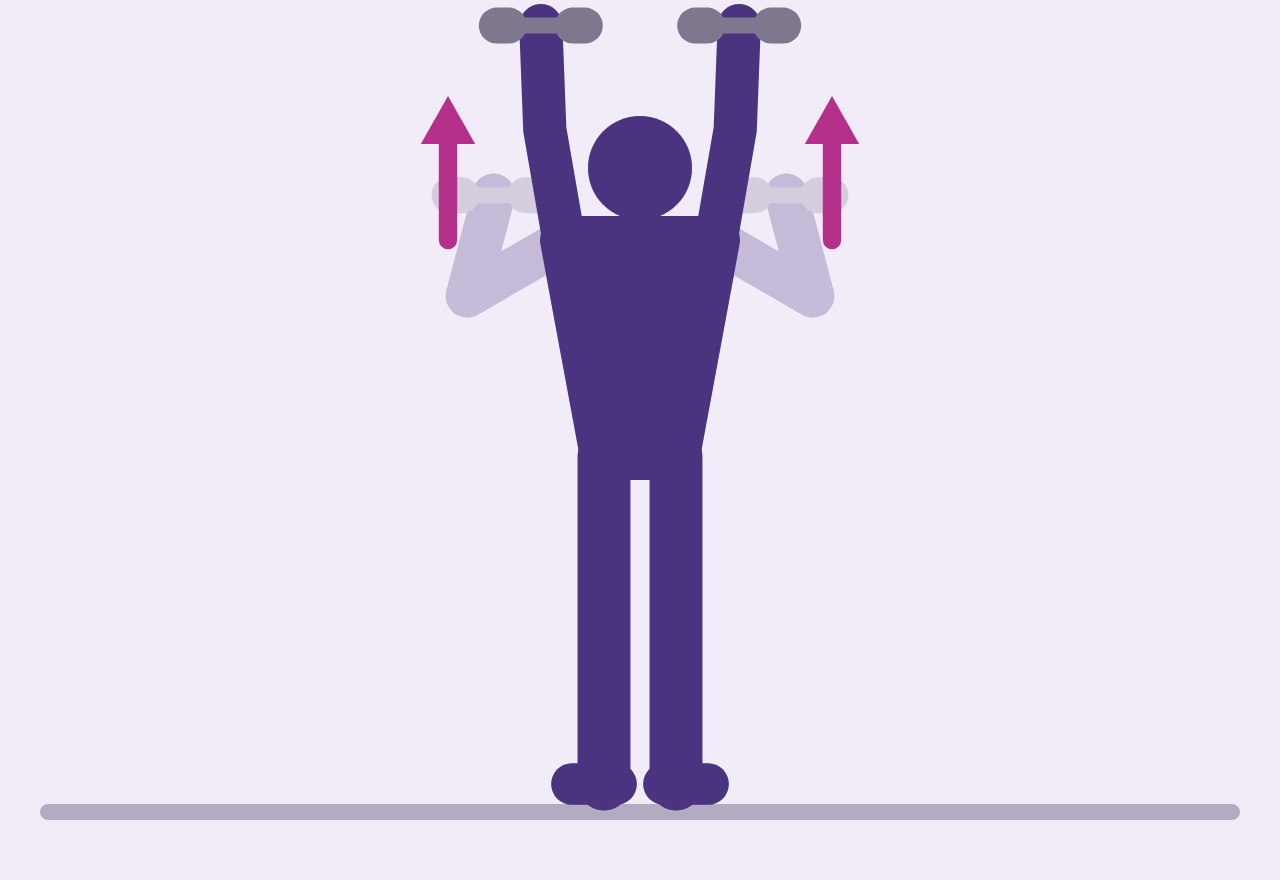
Overhead pressPush dumbbells or filled bottles overhead from shoulder height, standing tall. Progress weight gradually.Start 3 × 8–12; build to 2–3 × 5–8, heavier. 2–3 times a week
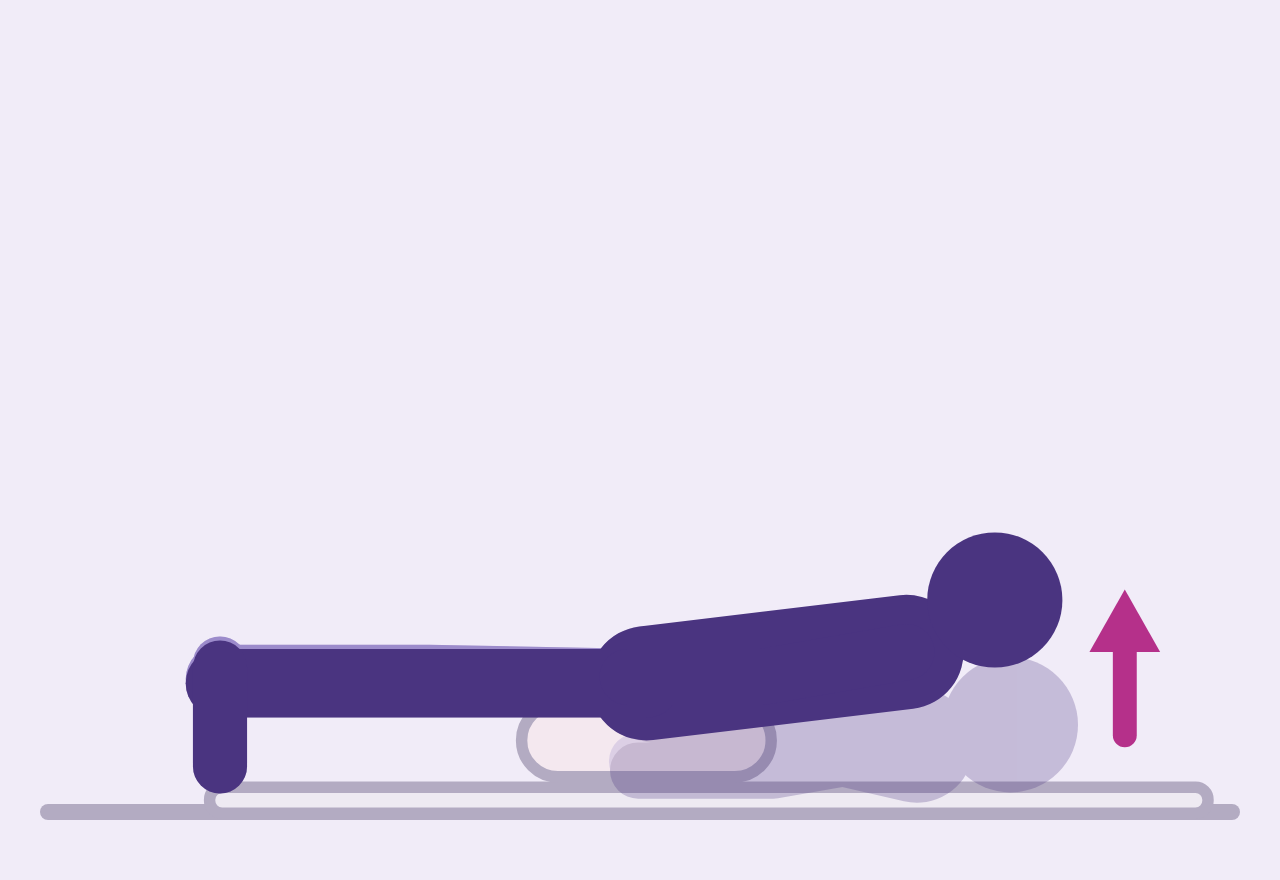
Back strengthenerLie on your stomach with a pillow under your hips. Keeping your chin tucked, lift your head and shoulders a little off the floor, hold, then lower. Gentle effort.Up to 10, holding each for 3–5 seconds. 2–3 times a week
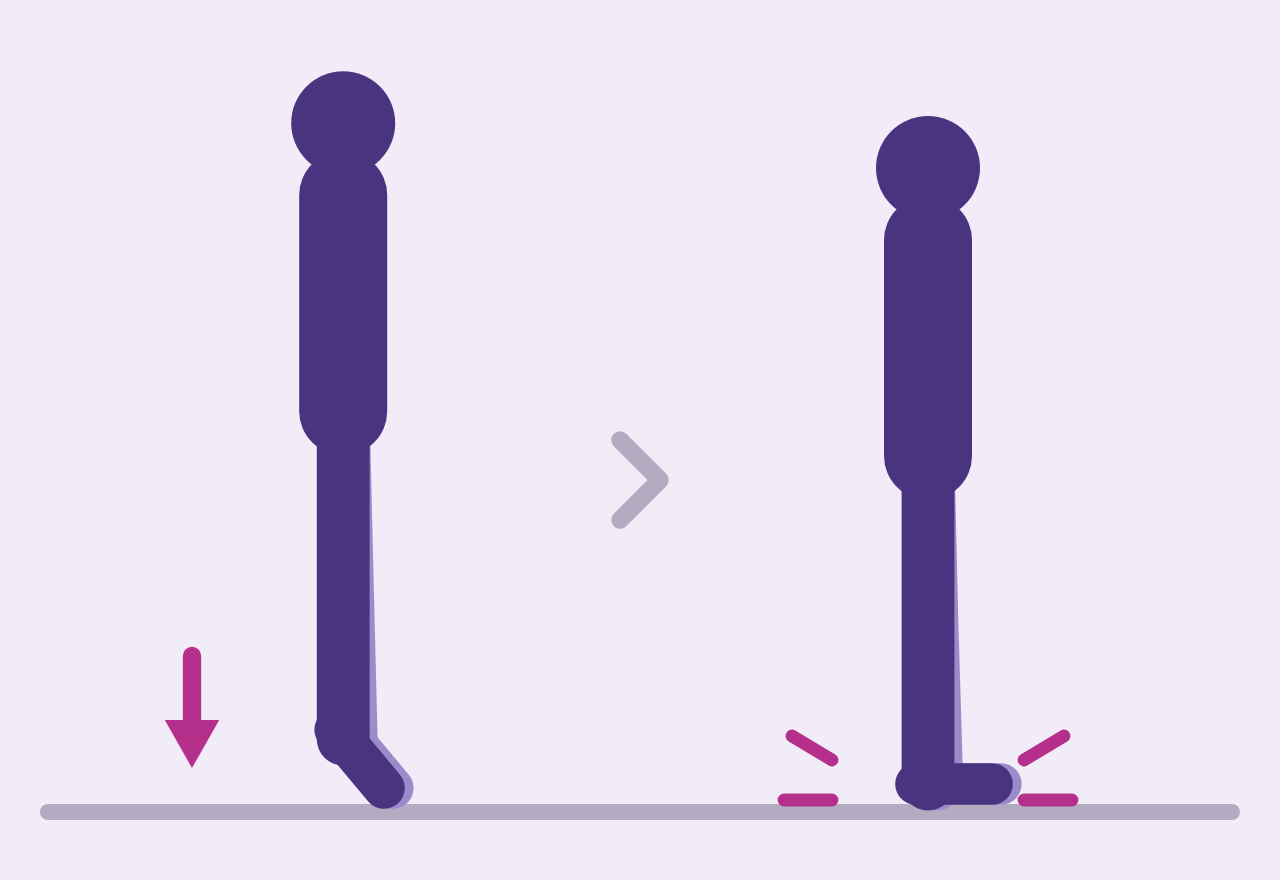
Impact: heel drops to jumpsRise up on your toes and drop firmly onto your heels, or stamp your feet. Progress to small jumps or skipping, landing softly with bent knees (if cleared).Build to about 50 impacts, in short bursts, most days
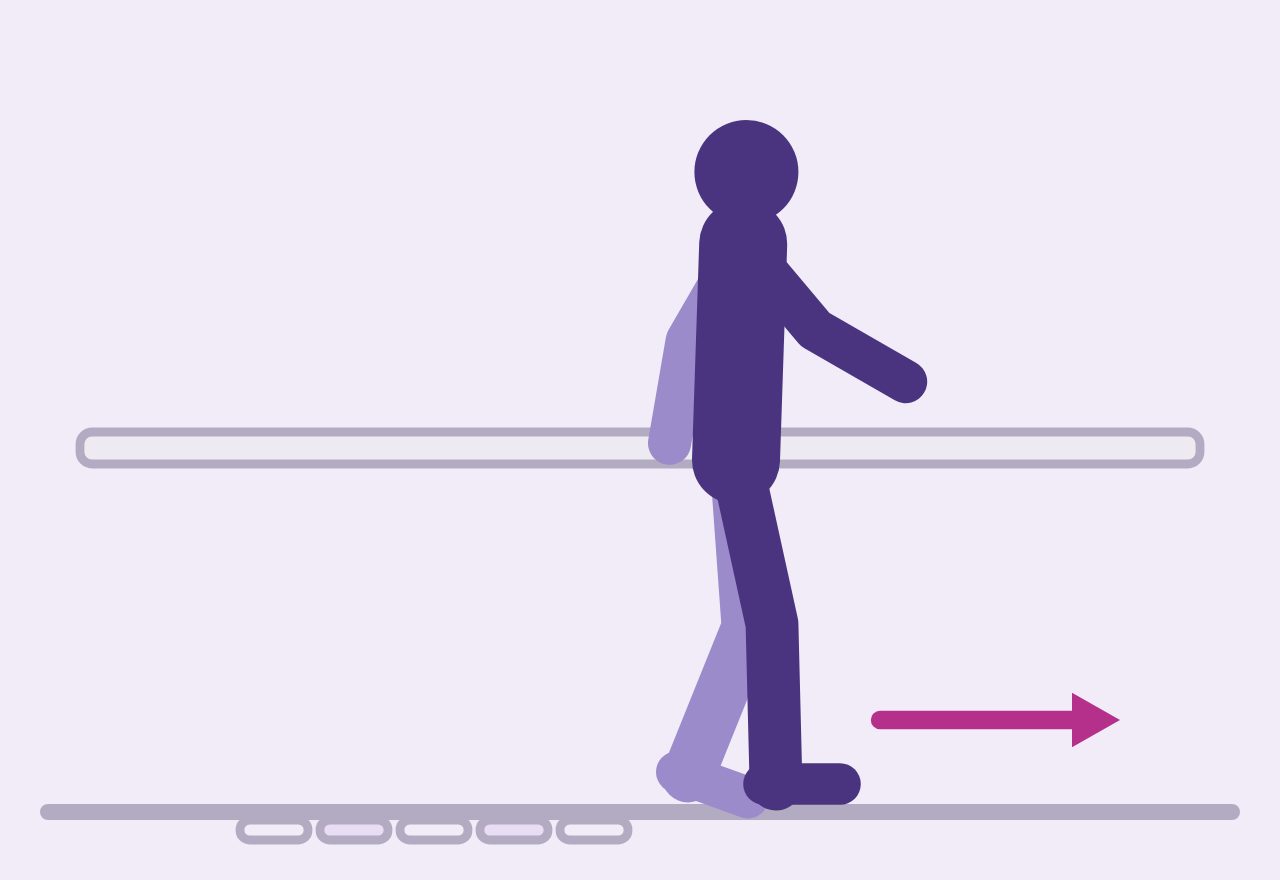
BalanceNear a bench, practise heel-to-toe walking, standing on one leg, turning in a small circle and stepping over objects. Make it challenging. Tai chi and dance also count.2–3 times a week or more
Safe-movement tips: bend from the hips with a straight back (a ‘hip hinge’) when lifting. Avoid heavy or extreme bending forward, such as sit-ups and toe touches. Clear trip hazards at home.
Stop and see your GP or physio if
Sudden or new back pain, or loss of height or new hunching
A fall, especially one with a new pain
Dizziness, chest pain or breathlessness when exercising
Pain that doesn’t settle within a couple of days
Want a supervised program?
Supervised exercise is recommended once you have osteoporosis, especially for heavier lifting. A physio or exercise physiologist can run a progressive, high-intensity program like the LIFTMOR trial (supervised, 30 minutes twice weekly), which improved bone density with only one minor injury (a back muscle spasm). If you have a chronic condition, ask your GP about a GP Chronic Condition Management Plan (GPCCMP): it gives a Medicare rebate for up to 5 allied health visits a year (physio, exercise physiologist or podiatrist).
Common questions
Can exercise reverse osteoporosis?
Not fully, but it helps. In the Australian LIFTMOR trial, 8 months of supervised heavy training raised spine bone density by about 3%, while a low-intensity group lost about 1%. Exercise also helps prevent falls, which matters just as much.
Is walking enough for osteoporosis?
Walking is good, but not enough on its own for your bones. Add strength training and, if it’s safe for you, impact exercise like heel drops or small jumps.
Is weight training safe with osteoporosis?
For most people, yes, when built up gradually with good technique. In LIFTMOR, supervised heavy lifting caused no serious injuries. If you’ve had spine fractures, get a physio or exercise physiologist to guide you.
What exercises should I avoid with osteoporosis?
Avoid heavy or extreme bending forward, like sit-ups and toe touches, especially with weight. Bend from the hips with a straight back instead.
Updated 29 October 2026. General education, not personal medical advice. Everyone is different, so check with your GP or physio if you’re unsure an exercise suits you.