Leaking when you cough, sneeze, laugh or jump is common, not compulsory. Pelvic floor exercises (also called Kegels) are the first treatment to try, and they work well for many people who stick with them.
Quick answer: To do pelvic floor exercises (Kegels), squeeze and lift the muscles around your back passage as if holding in wind, hold for up to 8 seconds, then fully let go. Do 3 sets a day for at least 3 months. They help leaks in women and men. See your GP if you can’t feel the muscles working.
How to use this
Who it's for: women and men who leak urine when they cough, sneeze, lift or exercise (stress incontinence), including men after prostate surgery.
Not for: pelvic pain, pain with sex, or pain passing urine or opening your bowels. Some people’s pelvic floor muscles are too tight, and extra squeezing can make things worse. Get assessed first.
Pain rules: these exercises shouldn’t hurt. If they do, stop and see your GP or a pelvic health physio.
How often: 3 sets a day, every day.
How long: at least 3 months. If it’s helping, keep going for good.
Based on: the Cochrane review of pelvic floor training for women (2018), NICE incontinence guidance, the RACGP’s HANDI guide, and the National Continence Helpline guides for women and men.
Your exercises
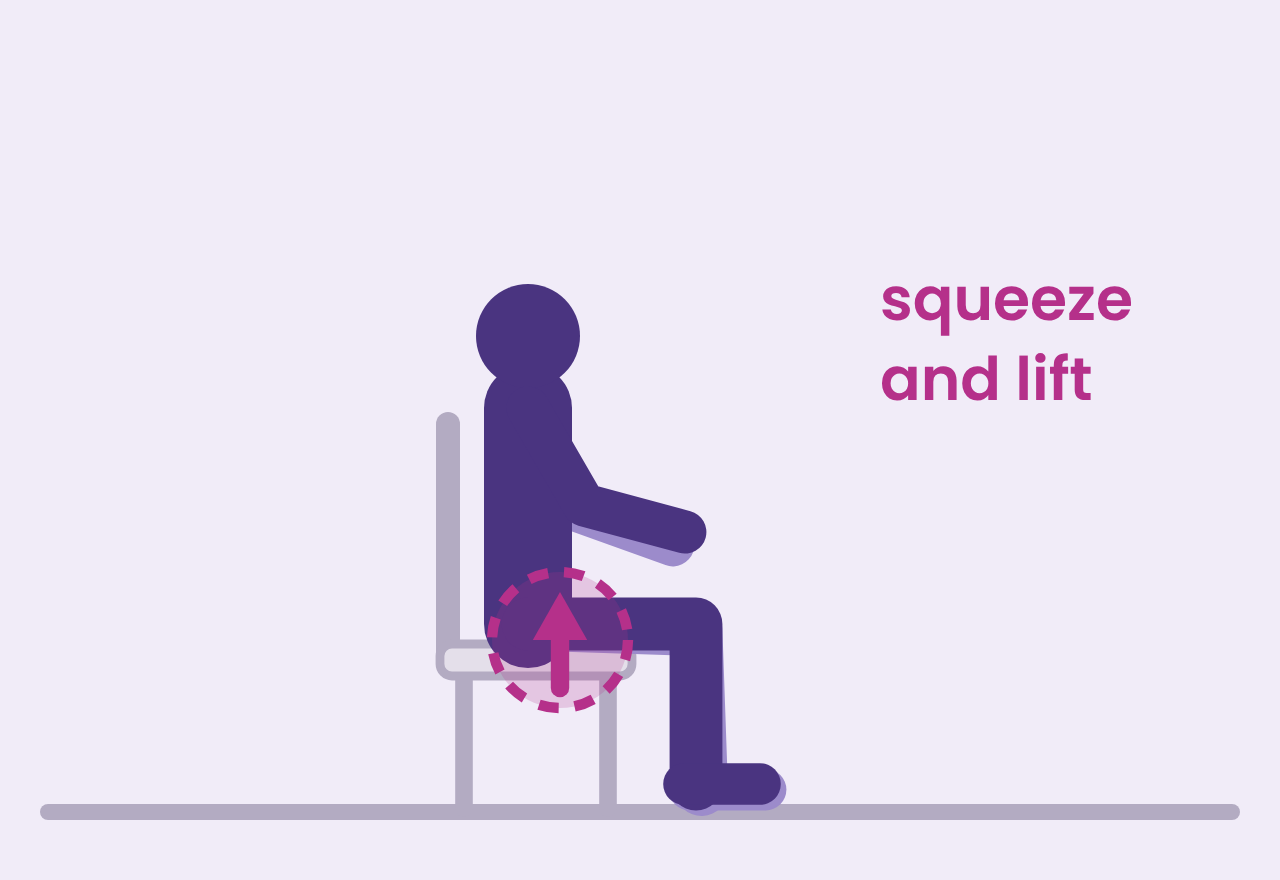
Find the right musclesSit or lie with your thighs, tummy and buttocks relaxed. Squeeze the ring of muscle around your back passage as if holding in wind, and lift it up and in. Men: in a mirror, the base of the penis should draw in and the scrotum lift. You can check by slowing your urine stream, but no more than once a week.Practise until you feel a clear squeeze and lift
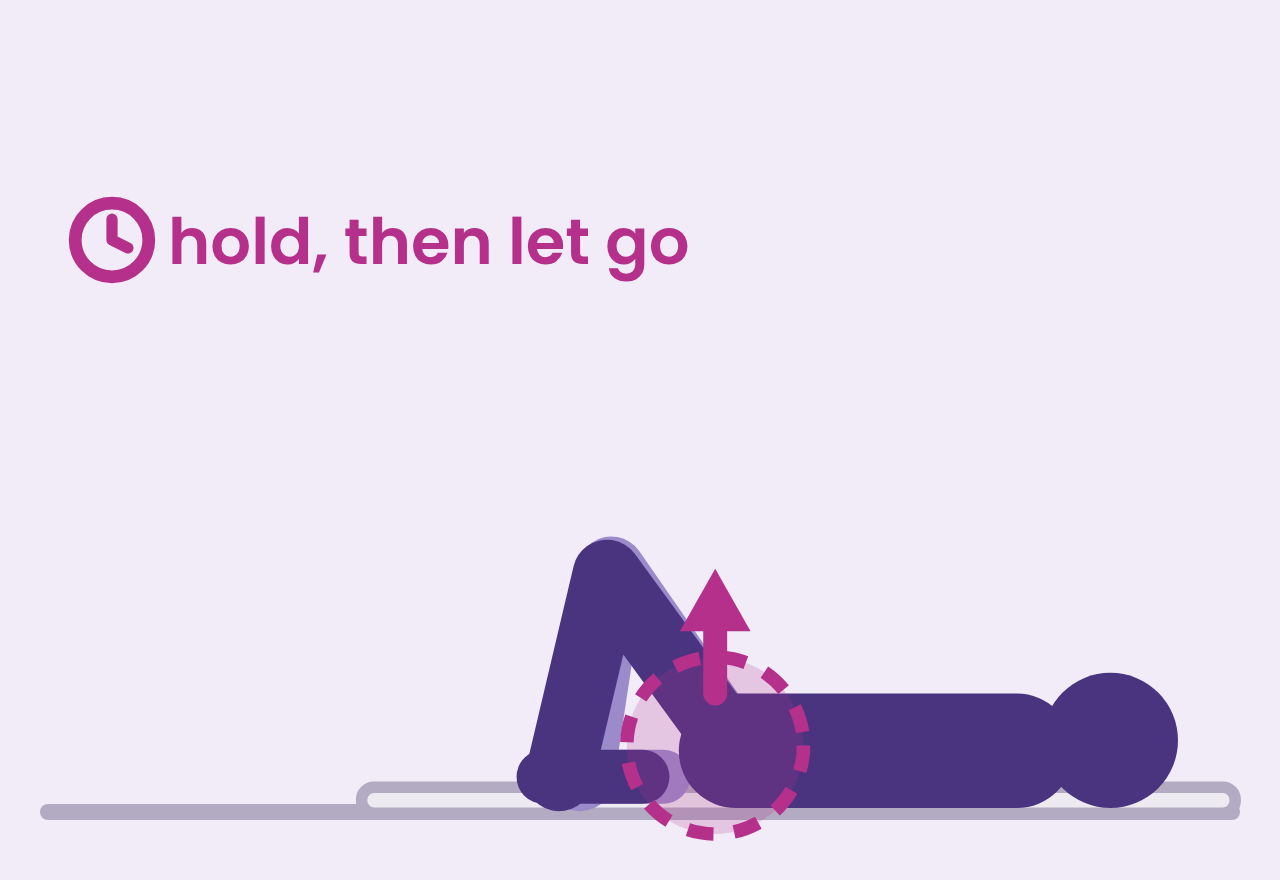
Strong squeeze and holdSqueeze and lift, hold for 8 seconds, then fully let go and rest 8 seconds. Can’t hold for 8? Hold as long as you can and build up. Breathe normally; don’t clench your buttocks or thighs.8–12 squeezes = 1 set; 3 sets a day
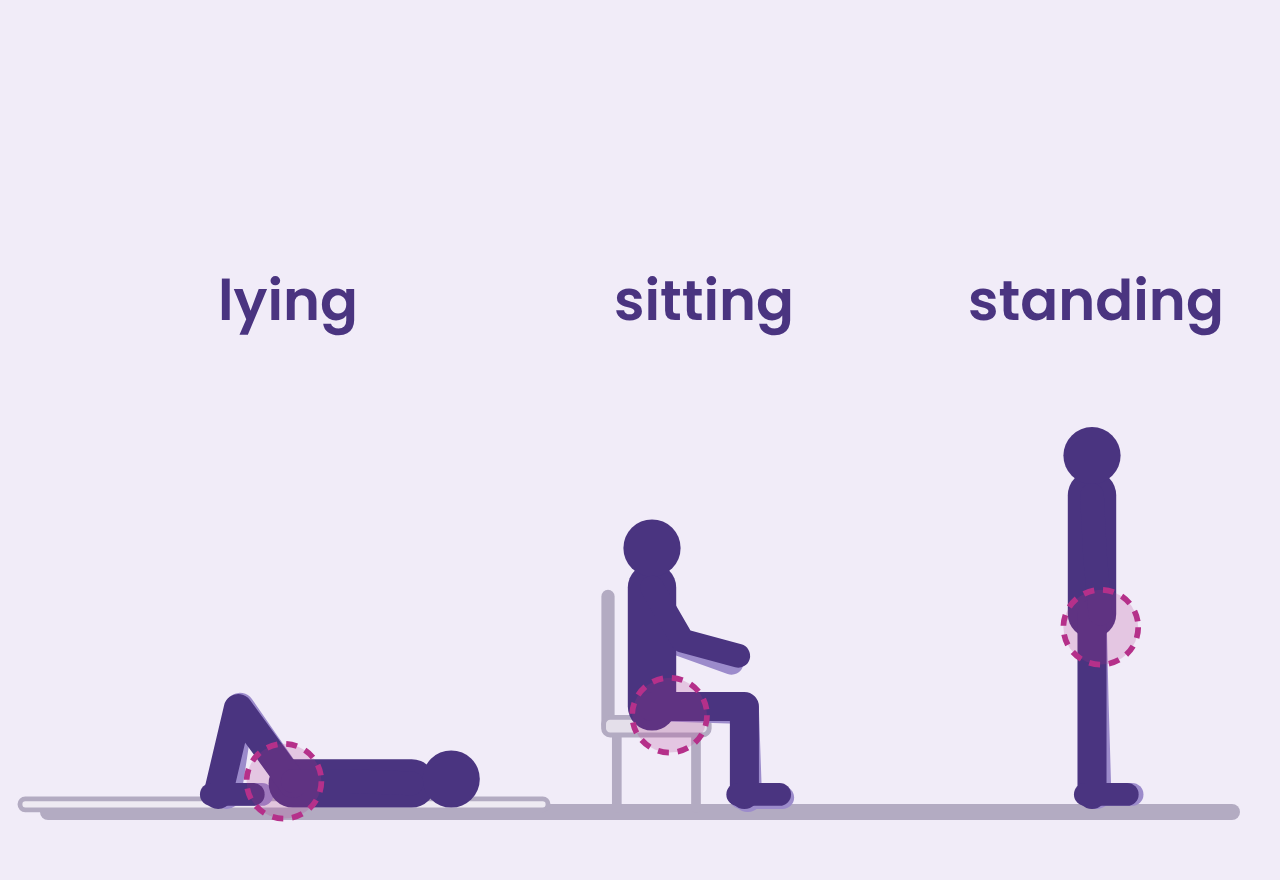
Change positionStart lying down, where it’s easiest. As you get stronger, do sets sitting and then standing, where your pelvic floor has to work against gravity.Spread your 3 daily sets across lying, sitting and standing
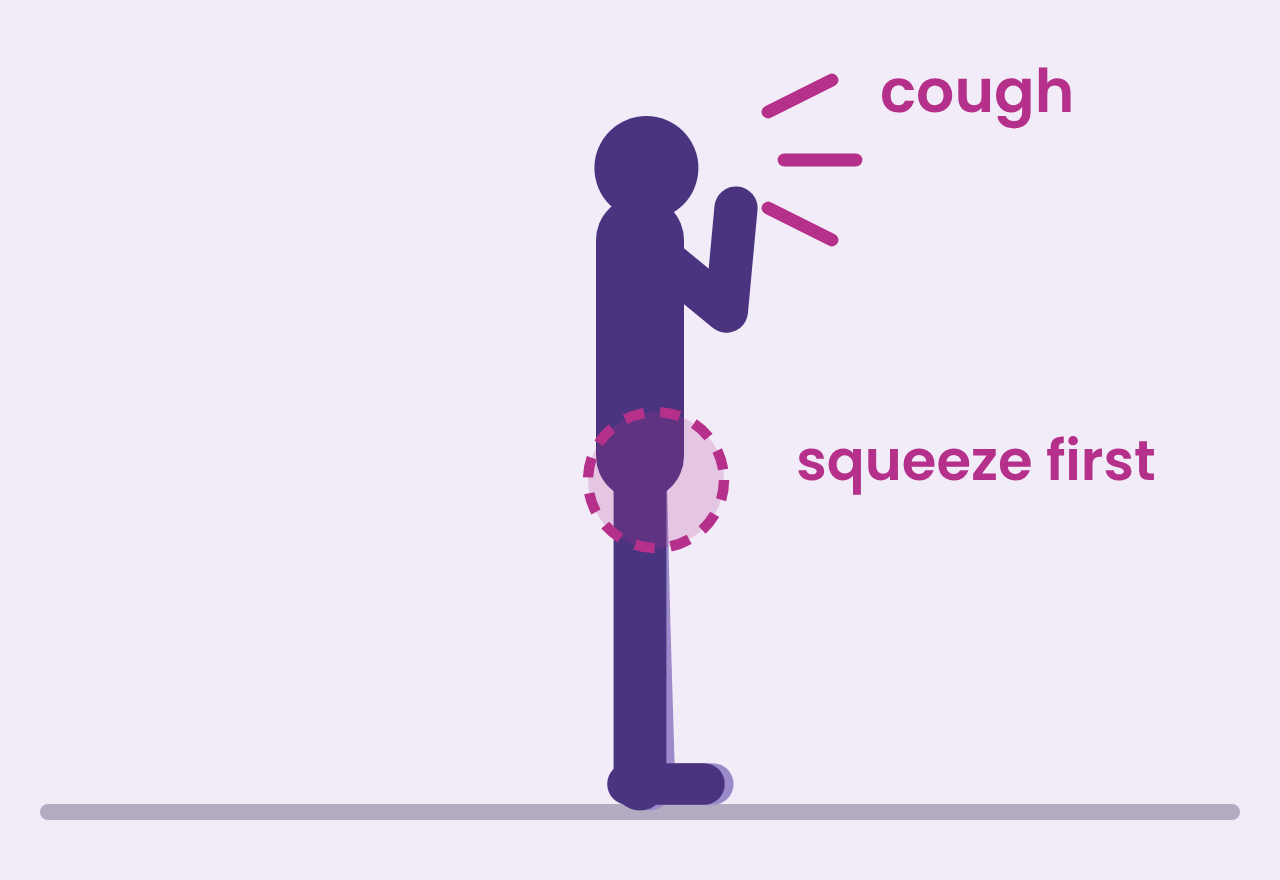
The knackSqueeze and hold your pelvic floor just before and during anything that makes you leak: coughing, sneezing, lifting, swinging a golf club.Every time, until it’s automatic
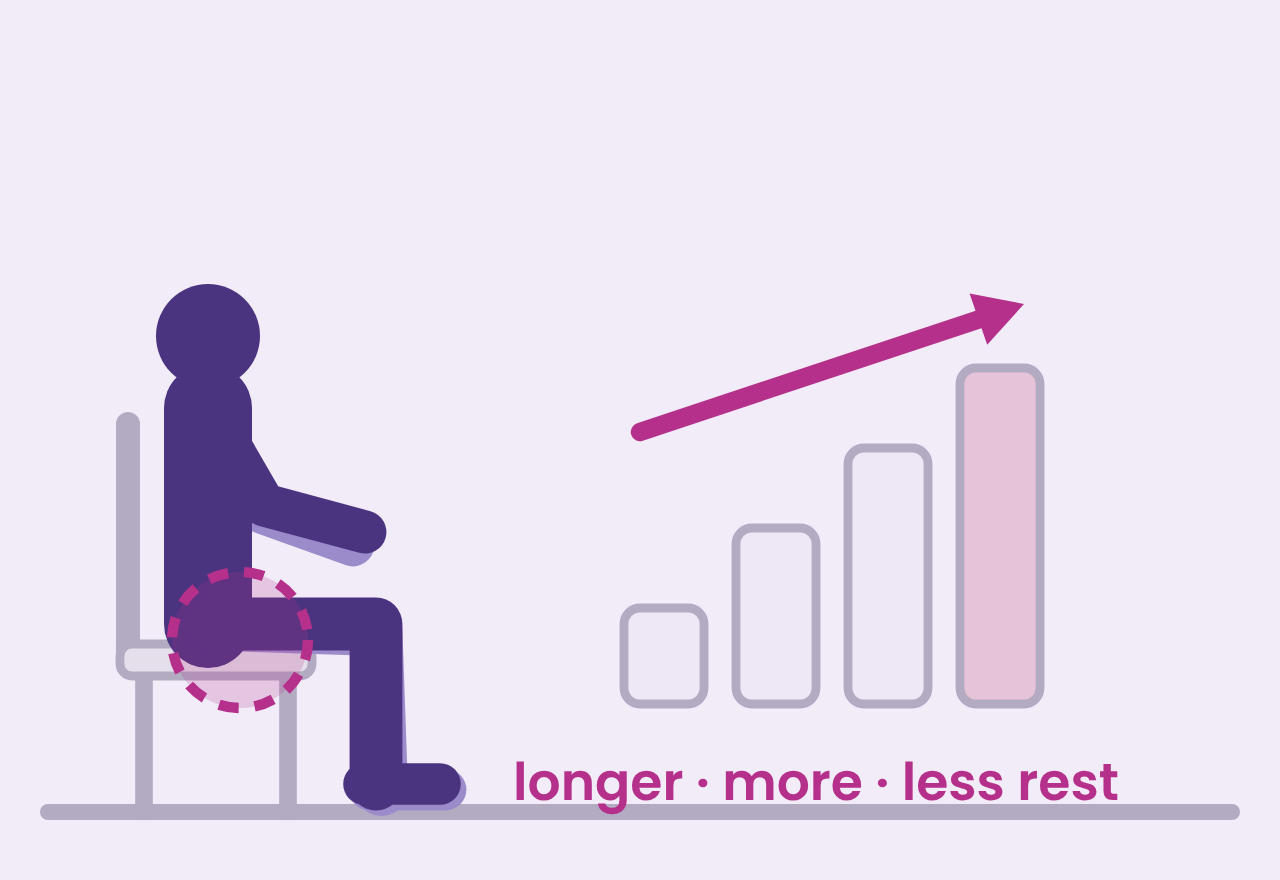
Make it harderWhen your current level feels easy, hold a little longer, add more squeezes, or shorten the rests between them.Once your current level is easy
Tips: fewer strong squeezes beat lots of half-hearted ones. Link your sets to daily habits (brushing teeth, waiting for the kettle, red lights). Most people notice a change within 3 months.
Stop and see your GP or physio if
You’re not sure you’re doing the squeezes right, or can’t feel the muscles working
No change after 3 months of regular training
Pain in the pelvis, with sex, or when passing urine or opening your bowels
Sudden urges and dashing to the toilet, burning, or blood in your urine
A bulge or heavy, dragging feeling in the vagina
New leaking with back pain, numbness around your bottom or leg weakness (same day, go to emergency)
Want a supervised program?
A pelvic health physio (women’s or men’s health physio) can check you’re using the right muscles, often with an internal or ultrasound check, and build your program. Supervised training works better than going it alone, and doing it wrong may do nothing. Men having prostate surgery: ask your surgeon or GP about seeing a men’s health physio around the time of surgery, and see our pelvic floor exercises for men. The research in men is less clear than in women, but training is low-risk and widely recommended. If you have a chronic condition, ask your GP about a GP Chronic Condition Management Plan (GPCCMP): it gives a Medicare rebate for up to 5 allied health visits a year (including a physio). The free National Continence Helpline is 1800 33 00 66.
Common questions
How long do pelvic floor exercises take to work?
Some people notice less leaking within a few weeks, but give it at least 3 months of daily training before judging. Keep going after that, or the benefit fades.
Do bladder control exercises work?
Yes, for leaks when you cough, sneeze or exercise. In the Cochrane review, 56% of women doing pelvic floor training reported a cure, versus 6% without it. For sudden urges, bladder training (slowly learning to hold on longer) is usually added.
Are Kegels good for men?
Yes. They’re the main exercise for leaking after prostate surgery and may help dribbling after you finish weeing. The evidence in men is less certain than in women, but they’re low-risk and widely recommended.
Do Kegel devices or weights help?
You don’t need one. In small trials, vaginal weights (cones) worked about as well as standard pelvic floor training, not better. Some people find feedback helps them squeeze correctly; a pelvic health physio can tell you if it would help you.
Can you do too many pelvic floor exercises?
Stick to about 3 sets a day and fully relax between squeezes. If you have pelvic pain or pain with sex, your muscles may be too tight and more squeezing can make it worse, so get assessed first.
Updated 29 October 2026. General education, not personal medical advice. Everyone is different, so check with your GP or physio if you’re unsure an exercise suits you.