Most broken shoulder blades heal without surgery. The muscles around the scapula hold it in place like a well-padded hammock, so the job is to rest it, then wake the shoulder up in stages.
Quick answer: Most scapula (shoulder blade) fractures are treated with a sling and staged exercises. Weeks 1–3: sling full time, gentle moves with the arm supported. Weeks 4–6: wean the sling, lift to shoulder height. Weeks 7–12: lift above the shoulder and start strengthening once your team confirms healing. From week 13: back to everything.
How to use this
Who it’s for: a scapula body fracture being treated without surgery, as agreed with your doctor. If you had surgery, or a fracture of the socket (glenoid), follow your surgeon’s plan instead.
Stages, not dates: move to the next stage when your doctor or physio says so, usually after an X-ray. The weeks are a guide.
Pain rules: mild discomfort is OK. Sharp or worsening pain means stop and back off.
Don’t yet: no hand behind the back and no reaching across your body until the bone has healed (usually week 7 on).
Based on: the AO Foundation’s guide to non-operative treatment of scapula body fractures.
Your exercises
Stage 1: Weeks 1–3, sling full time
Wear the sling day and night. Use the hand on the injured side for light tasks in front of you, like eating or brushing your teeth. Sleep on your back with a pillow under the arm, or on your good side.
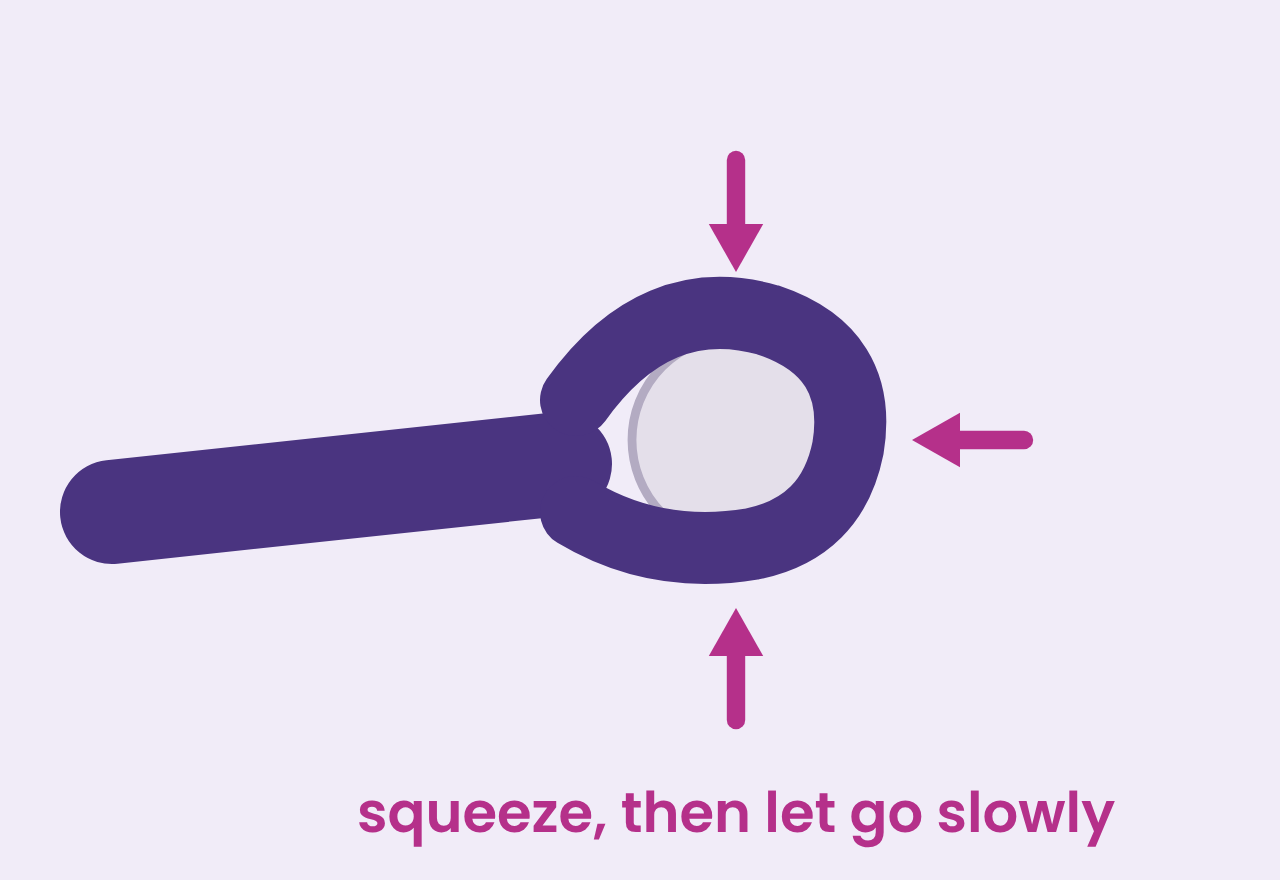
Hand, wrist and elbow movesWith your arm in the sling, squeeze a soft ball, then open your fingers wide. Bend and straighten your wrist. Take the arm out of the sling while seated, rest it on a table and gently bend and straighten the elbow. This keeps swelling down.10 of each, 3–4 times a day
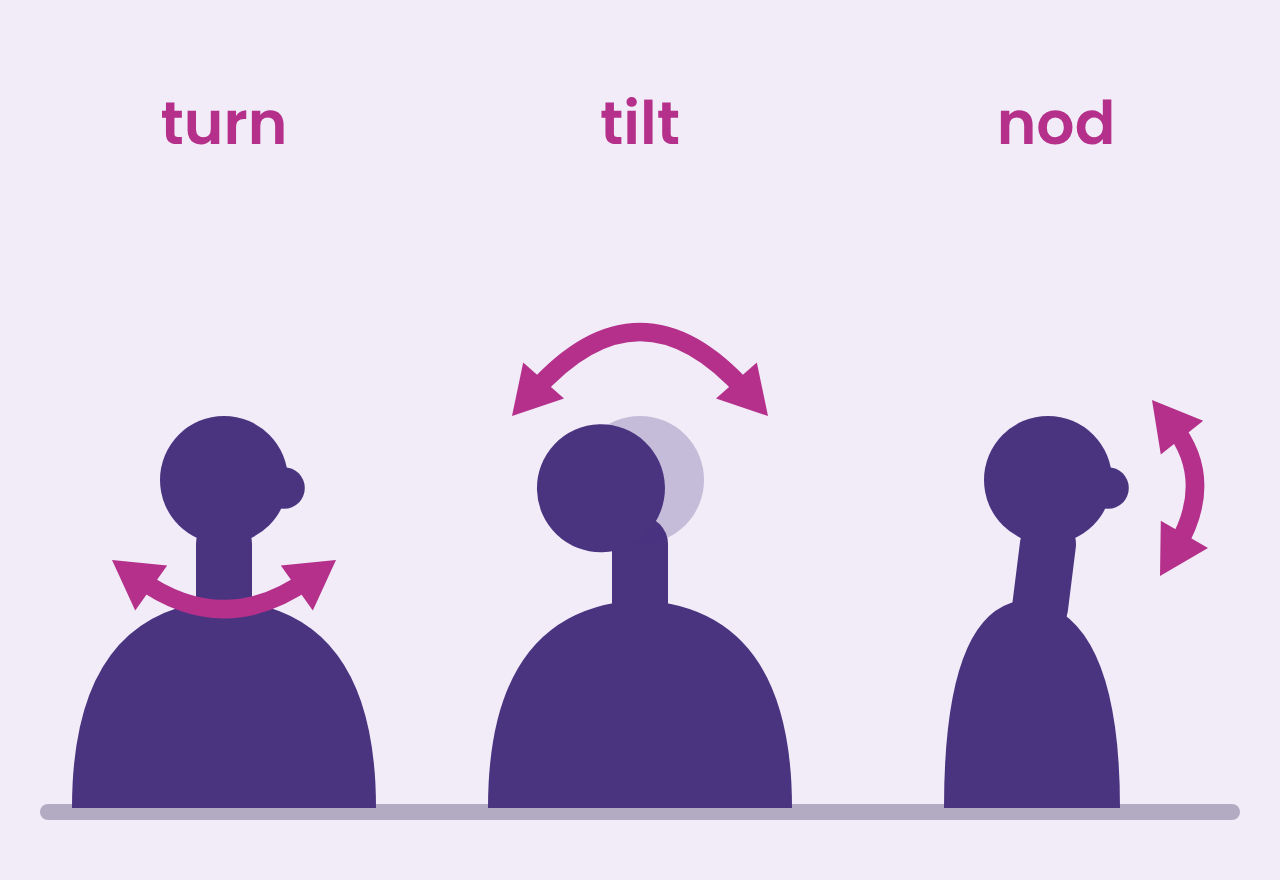
Neck movesSlowly turn your head side to side, tilt ear to shoulder and nod. Keep the shoulders relaxed.5 each way, 3 times a day
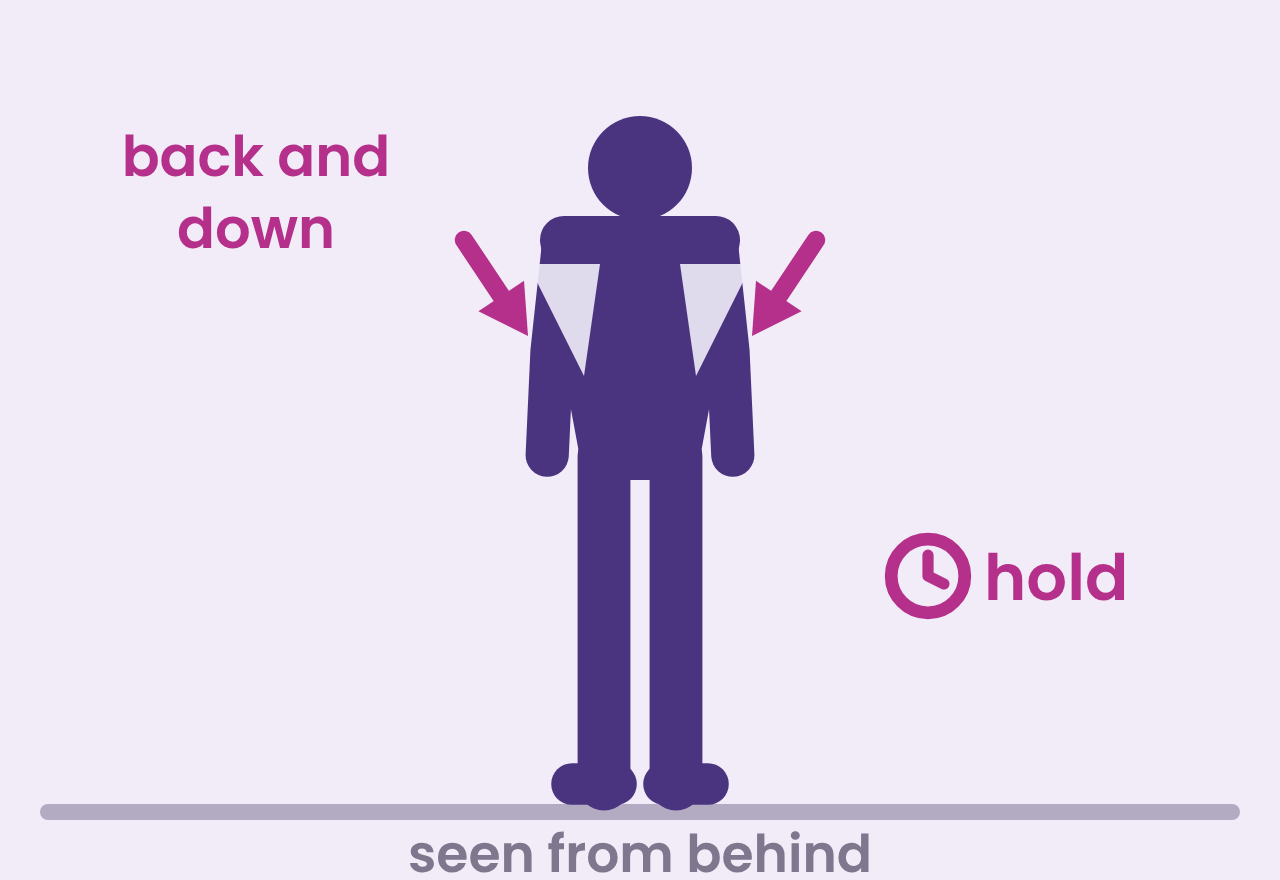
Shoulder-blade squeezeSitting tall with your shoulders relaxed, gently draw both shoulder blades back and together. No shrugging.Hold 5 seconds, 10 times, 3 times a day
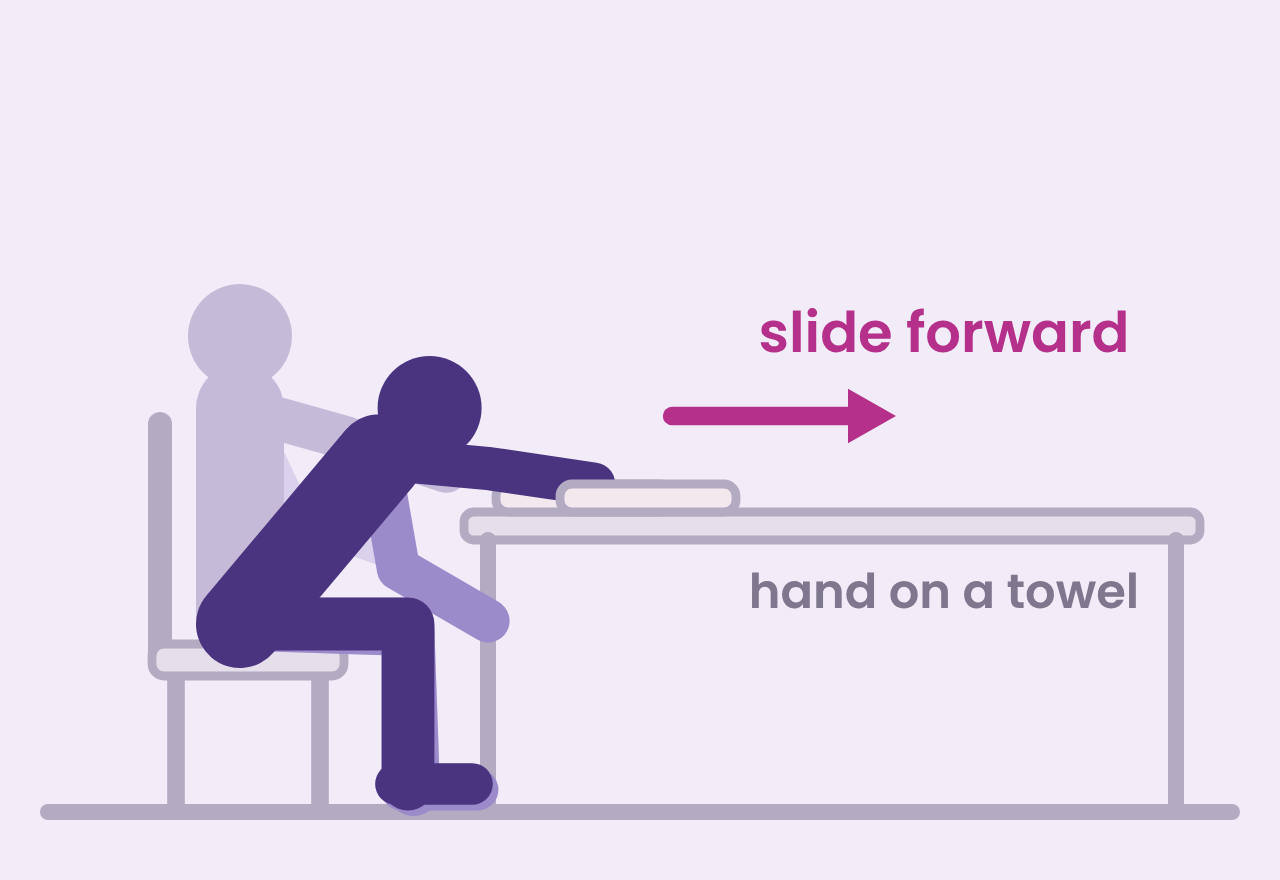
Table slide (supported forward reach)Sit beside a table with your forearm resting on a towel. Slide your hand forward as far as comfortable, keeping the shoulder blade relaxed (don’t let it hunch forward), then slide back. The table takes the weight of your arm.10 slides, 2–3 times a day
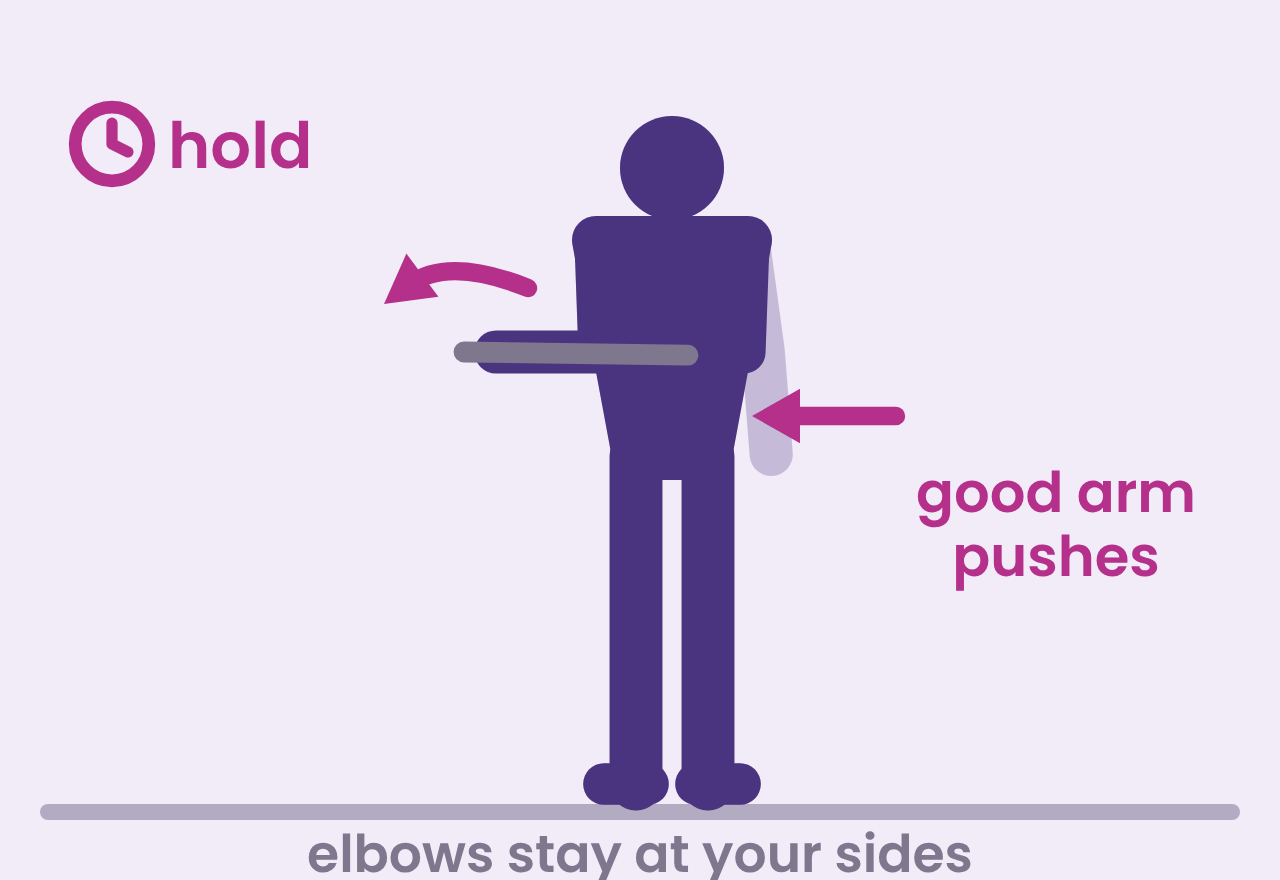
Assisted turning out and inElbow at your side, bent to 90°, forearm supported. Use a stick or your good hand to gently turn the forearm outwards, then back across your tummy. Stay at waist level.10 each way, 2–3 times a day
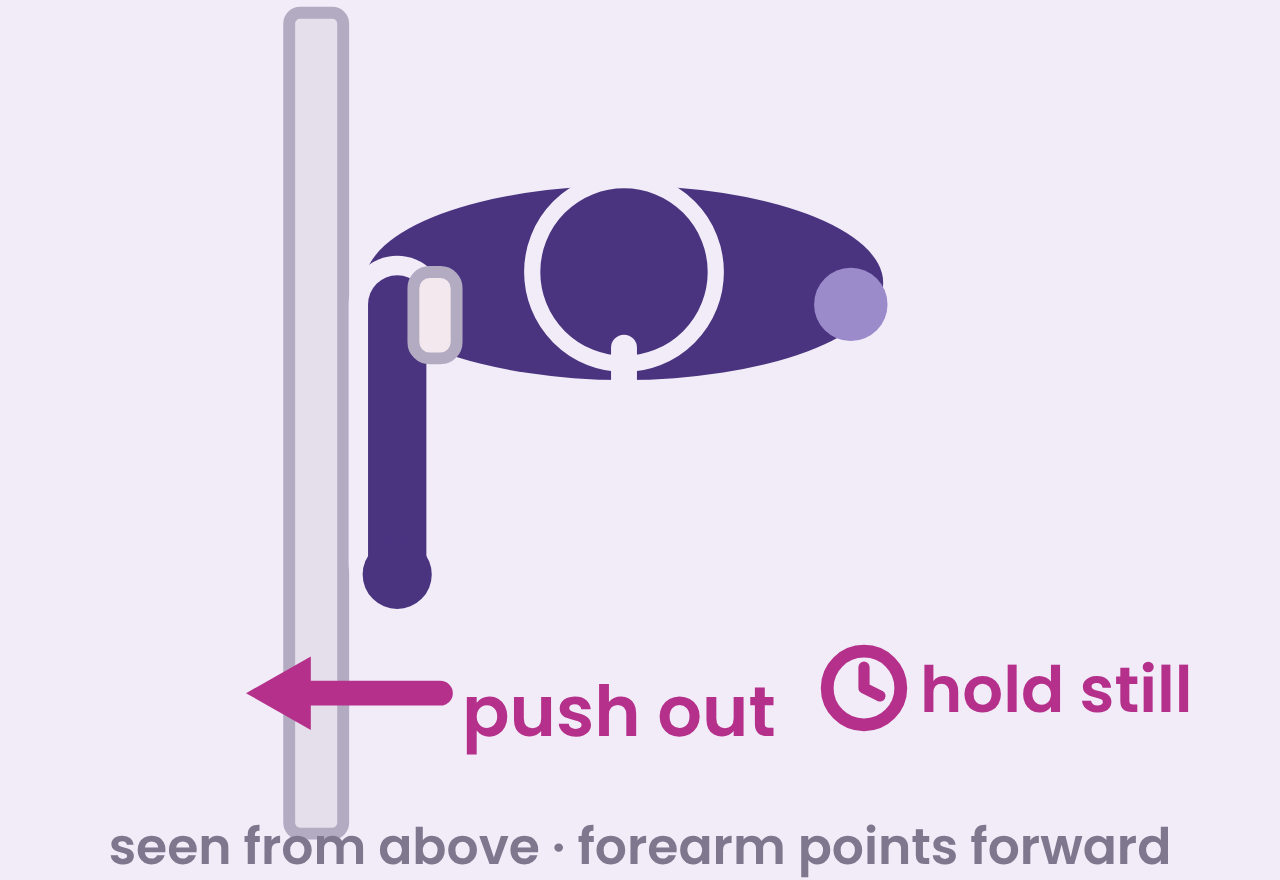
Gentle holds (outward)Stand side-on to a wall, elbow bent and tucked in. Press the back of your wrist gently into the wall, without moving. Only as much as is comfortable.Hold 5–10 seconds, 5 times, twice a day
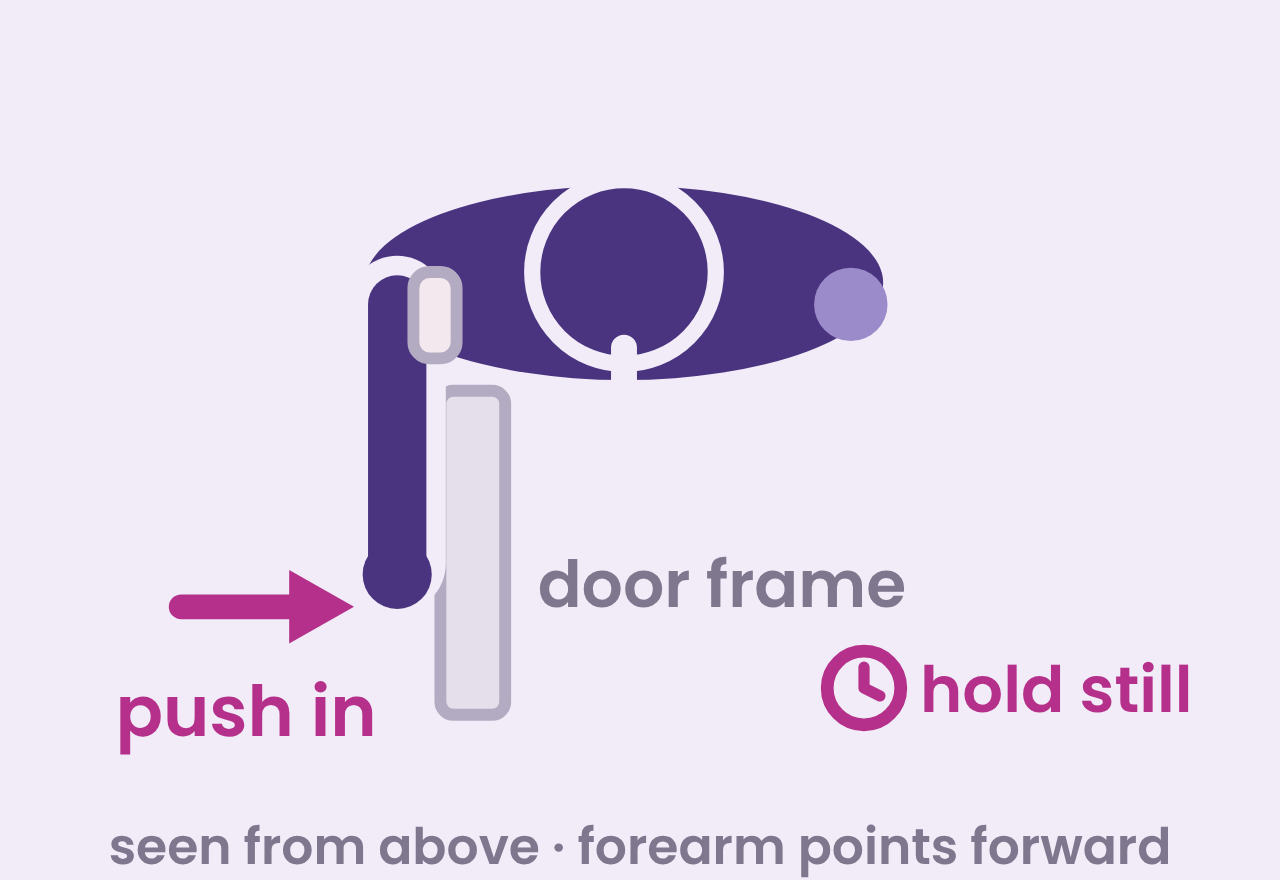
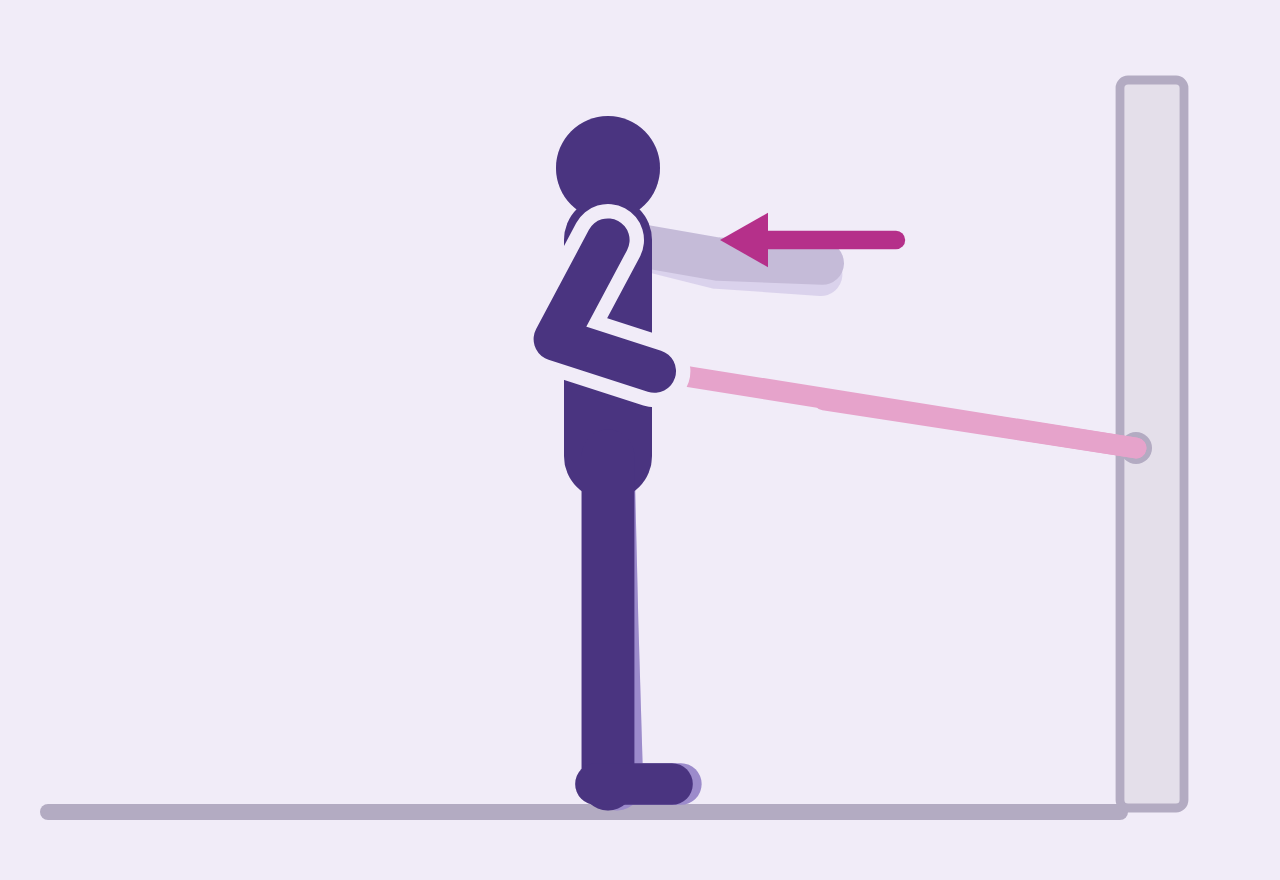
Gentle holds (inward)Elbow tucked in, press your palm gently into a door frame, without moving. Add a gentle hold pushing forward and to the side too, for the deltoid.Hold 5–10 seconds, 5 times, twice a day
Stage 2: Weeks 4–6, weaning the sling
Keep doing Stage 1. Start using the sling part time, mainly at night and when out. Tabletop tasks are fine: short reaches, making a sandwich. Still no hand behind the back or reaching across the body.
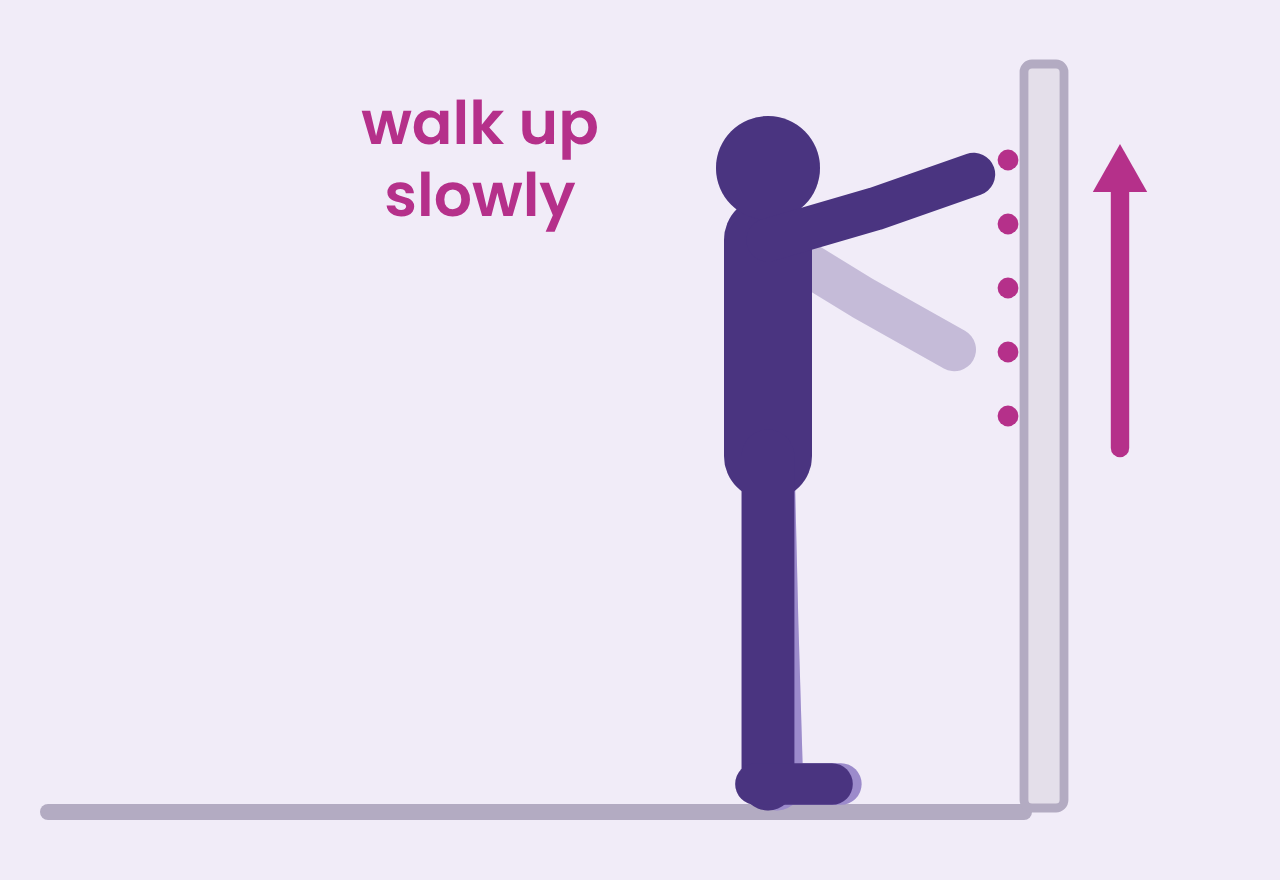
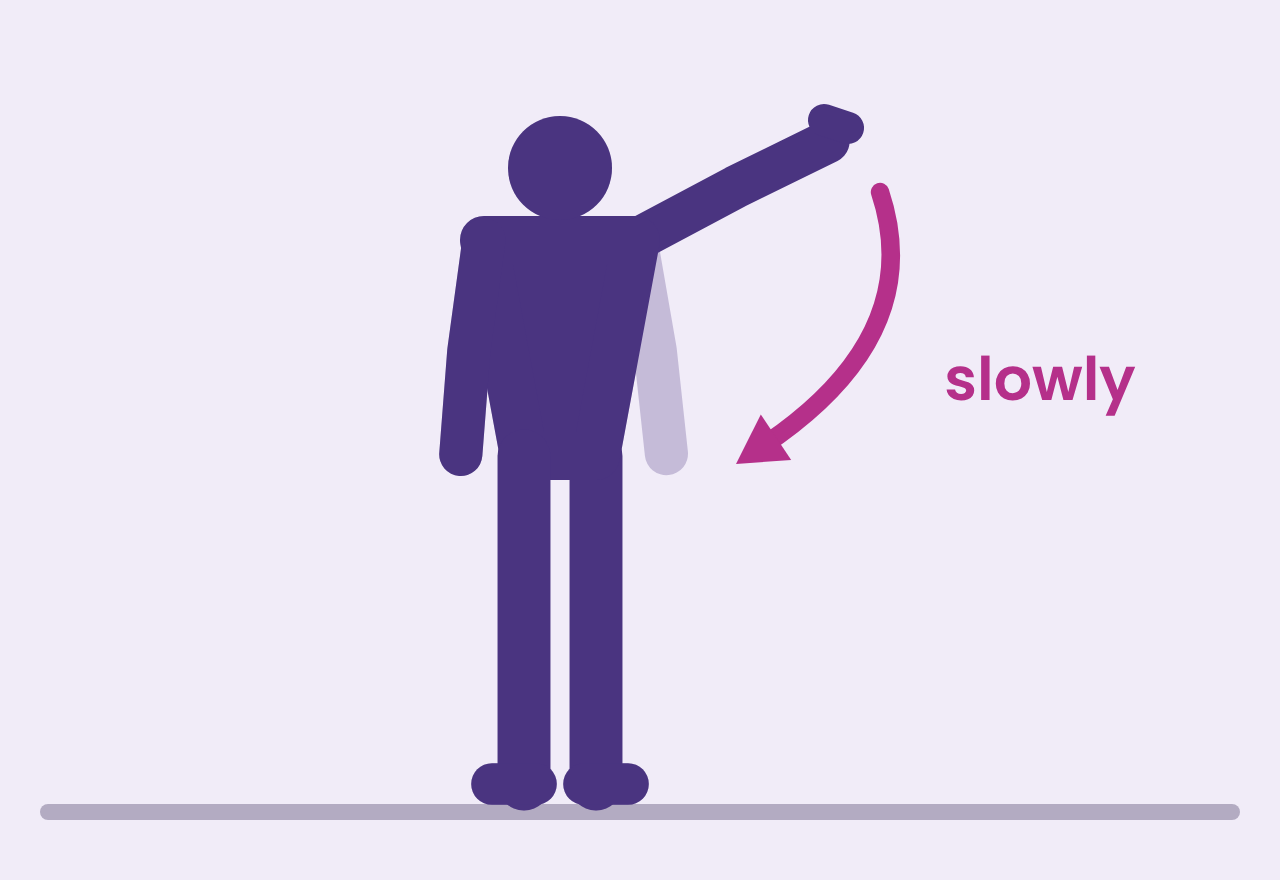
Assisted lift to shoulder heightFacing a wall, walk your fingers up to shoulder height, using your good hand to help if needed. Lower slowly. Don’t go above shoulder height yet.10 times, twice a day
Stage 3: Weeks 7–12, healed bone, more movement
Keep doing Stages 1 and 2. Once your team confirms the bone has healed, you can lift above the shoulder, reach behind your back and across your body, and start building strength: first moving against gravity, then with bands, then weights.
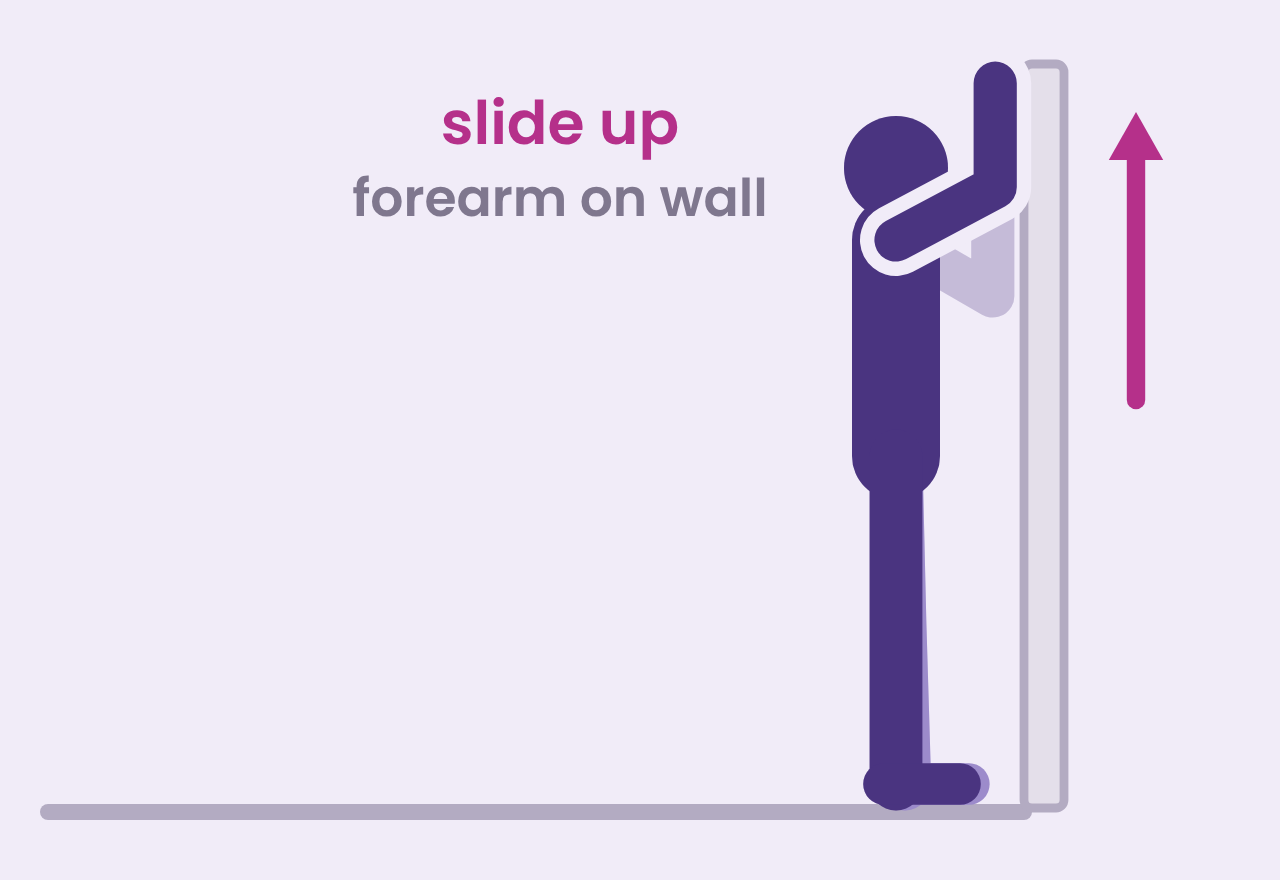
Assisted lift above the shoulderSlide your forearms up a wall, or use a stick held in both hands, to lift above shoulder height. A pulley over a door also works.10 times, twice a day
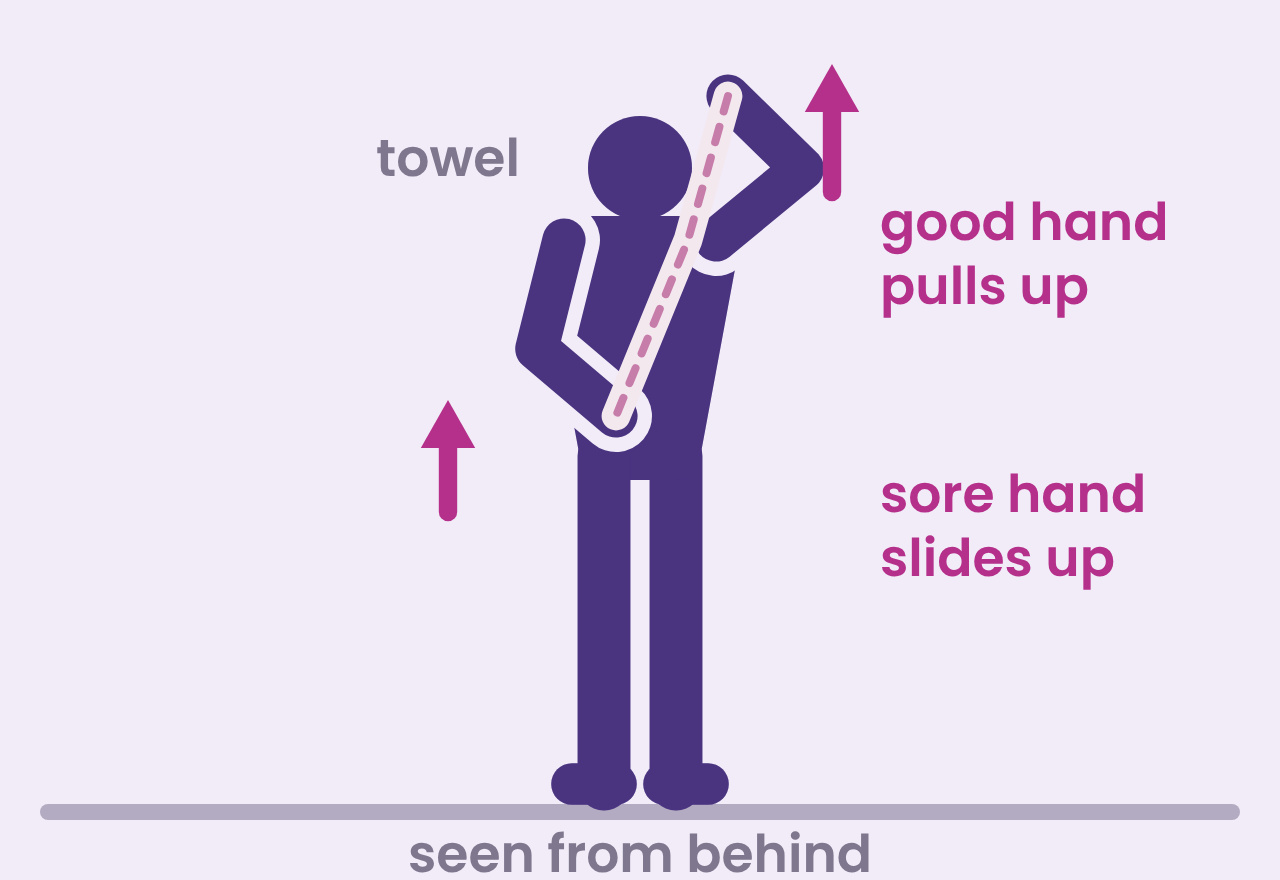
Hand behind backHold a towel over your good shoulder with the other hand behind your back. Gently pull the sore hand up your back.Hold 20 seconds, 3 times, twice a day
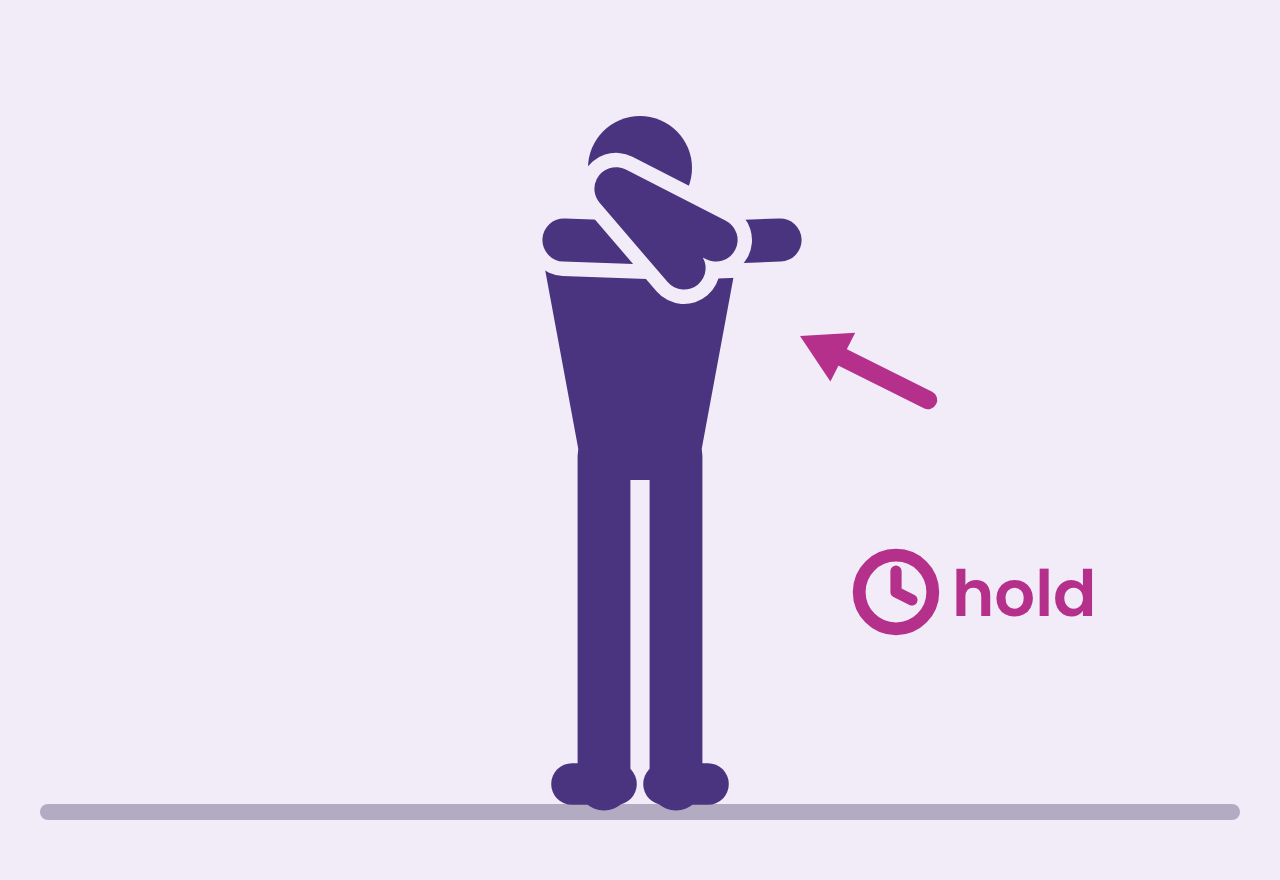
Across-the-body stretchUse your good hand to gently pull the sore arm across your chest.Hold 20 seconds, 3 times, twice a day
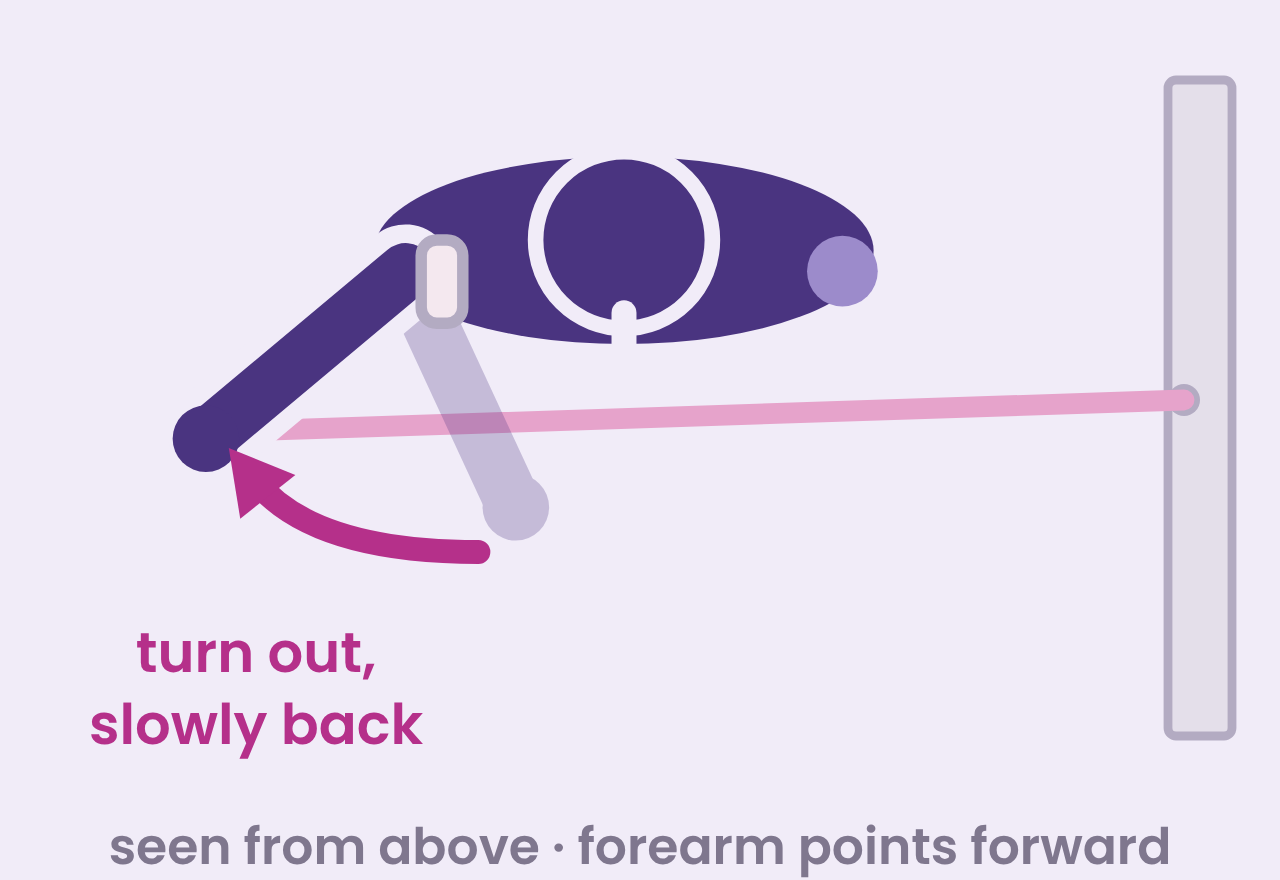
Band turning outElbow tucked in, turn your forearm outwards against a light band, then return slowly. Start only once your team says the bone has healed.3 sets of 10, once a day
Band rowLoop a band around a door handle. Pull your elbows back, squeezing the shoulder blades together and down, then return slowly.3 sets of 10, once a day
Arm raiseThumb up, raise your arm halfway between straight ahead and out to the side. First with no weight, then a light one.3 sets of 10, once a day
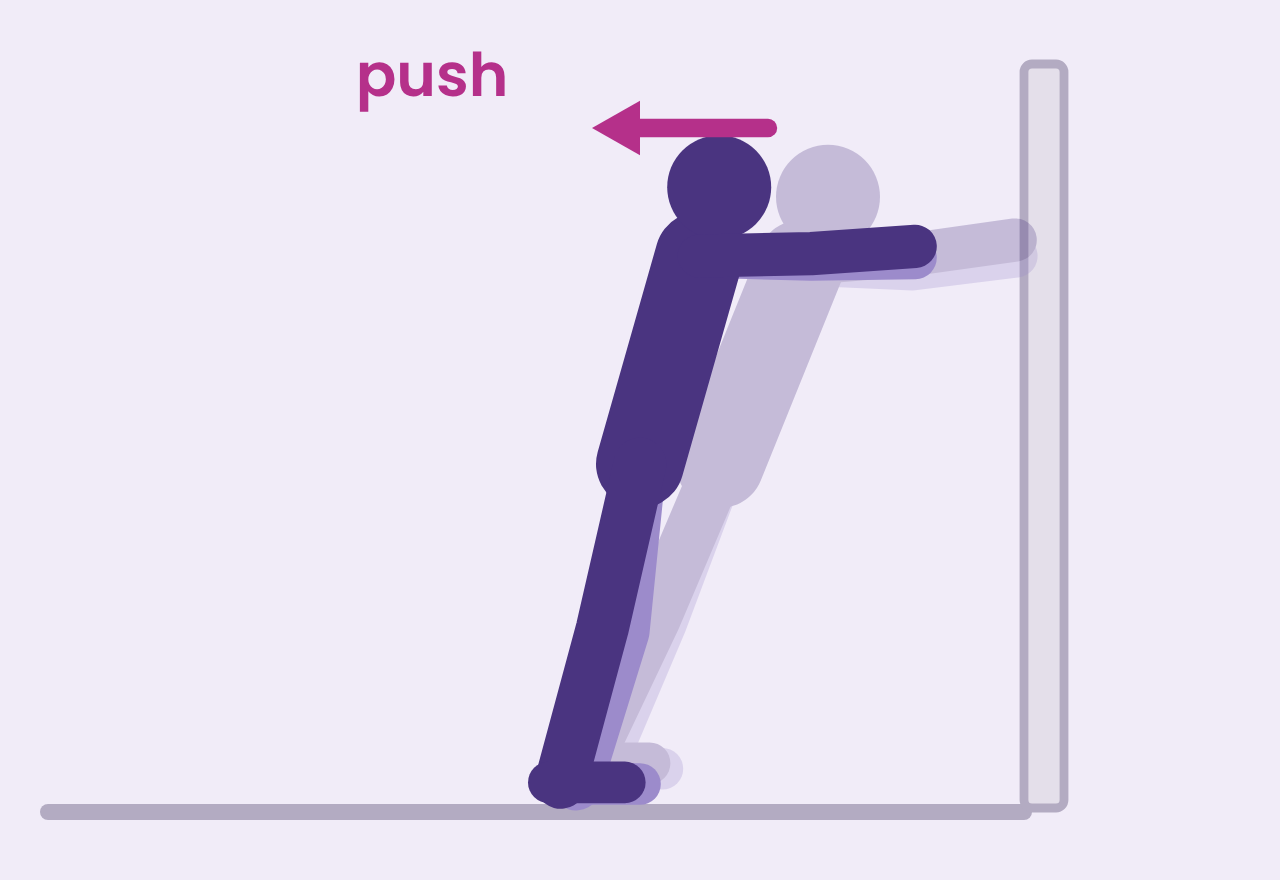
Wall push-upSlow push-ups against a wall, pushing a little further at the top to spread the shoulder blades.3 sets of 10, once a day
Stage 4: Week 13 on, back to normal
No limits on movement. Build back to sport, gym and work tasks, ideally with a physio guiding the heavier lifting and overhead work.
Form tips: sit or stand tall with shoulders relaxed. Slow and controlled beats fast and heavy.
Stop and see your GP or physio if
Shortness of breath or chest pain (call 000). Scapula fractures often come with rib injuries.
Pain that suddenly gets worse, or a new clunk or change in shape (an X-ray may be needed)
Numbness, tingling or weakness in the arm or hand
A hot, red, swollen arm, or fever
Your shoulder is no better, or getting stiffer, after 6 weeks
Want a supervised program?
A physio can guide each stage, check your movement and build your strength safely. If your recovery is complex or ongoing, ask your GP whether a GP Chronic Condition Management Plan (GPCCMP) applies: it gives a Medicare rebate for up to 5 allied health visits a year.
Common questions
How long does a broken shoulder blade take to heal?
The bone usually joins by about 6 weeks and is solid by about 12 weeks. Most people are back to normal activity from around week 13.
Do scapula fractures need surgery?
Most don’t. Fractures of the main body of the shoulder blade usually heal well with a sling and exercises. Surgery is considered for some fractures of the socket, or badly displaced ones.
How should I sleep with a scapula fracture?
In the first weeks, wear the sling and sleep on your back with a pillow under the arm, or on your good side.
When can I start strengthening?
Usually from around week 7, once your doctor confirms the bone has healed. Start with moving against gravity, then bands, then weights.
Updated 11 November 2026. General education, not personal medical advice. Everyone is different, so check with your GP or physio if you’re unsure an exercise suits you.